



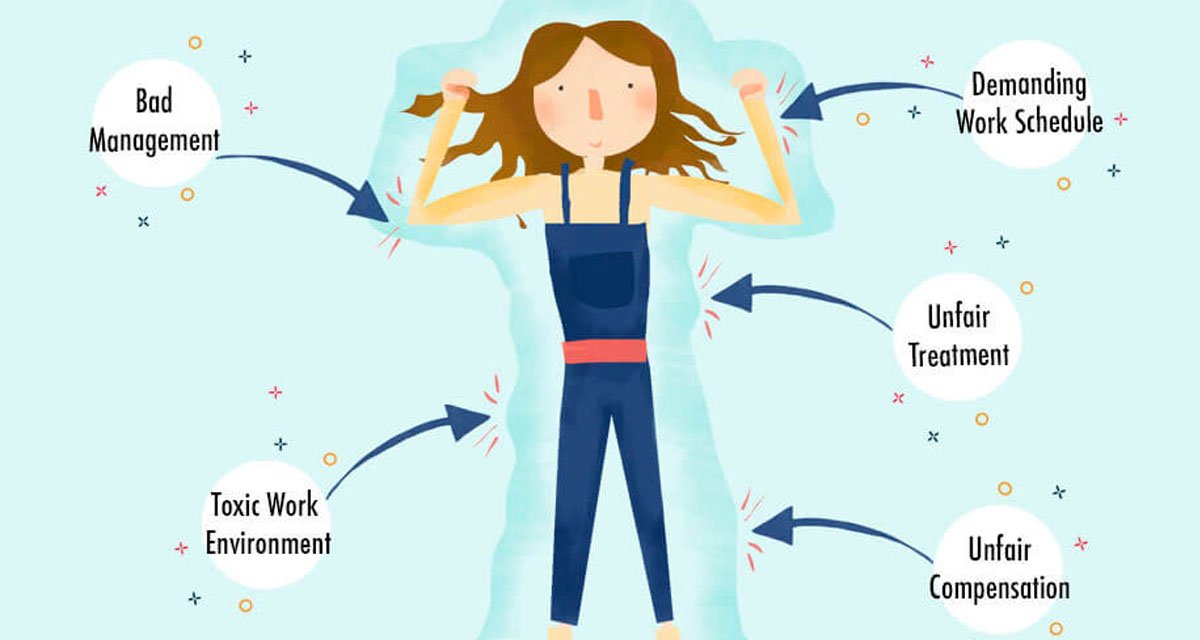
Workplace burnout is an increasingly prevalent problem in today’s world of constant competition and hustle, with a study reporting job burnout at 66% as of 2025. Leaders of any organisation within a workplace must make efforts to prevent and relieve burnout, in order to increase employee morale and mental well-being, along with the overall productivity and efficiency of a team.
Workplace burnout has quietly become one of the most pressing challenges in modern professional life. It doesn’t announce itself with a loud crash; instead, it creeps in through sleepless nights, mounting cynicism, and a slow erosion of the energy that once fueled your best work. Identifying the early signs and knowing how to step back from the edge is not just a survival skill, but also a strategic priority for any leader who wants to build a resilient, productive team.
What Workplace Burnout Actually Looks Like
While occasional stress is a normal part of any job, workplace burnout is something deeper. The World Health Organization classifies it as an occupational phenomenon characterized by three dimensions: feelings of energy depletion or exhaustion, increased mental distance from one’s job (negativity or cynicism), and reduced professional efficacy. On a team, burnout often shows up as a sharp drop in collaboration, frequent absenteeism, or a sudden uptick in irritable exchanges. The emotional toll doesn’t simply stay within the walls of an office; it follows people home, straining relationships and sleep patterns.
The hard truth is that burnout doesn’t always look like someone falling apart. Sometimes it looks like a high-performer who has simply stopped caring, or a quiet employee who used to contribute ideas and now just nods along. By the time performance metrics start slipping, the root cause has often been festering for months.
Why Prevention Beats Cure Every Time
Waiting for someone to crash before offering support is expensive, both in human terms and on the bottom line. Chronic stress raises cortisol levels, which over time weakens the immune system and increases the risk of anxiety disorders and clinical depression. That’s why any discussion about employee mental health should start long before a crisis hits. Teams that normalize conversations about workload, boundaries, and emotional capacity find it easier to course-correct early.
For leaders, the goal isn’t to eliminate all pressure (some stress is healthy and motivating). The goal is to eliminate chronic, unrelenting pressure without adequate recovery. This means building a culture where taking a real lunch break, using vacation days, and logging off at a reasonable hour are celebrated rather than judged.
Practical Relief Strategies for Healthier Teams
If burnout has already taken root, relief starts with honest acknowledgment. A team leader who says, “I notice we’ve been running too hard, and I want to fix this together” can break a cycle of silence. From there, targeted strategies make a real difference:
1. Redesign Workloads, Not Only Expectations
Look at the actual tasks each person carries, and whether there are overly redundant meetings, unclear priorities, or requests that land after hours. Regularly audit the team’s workload and remove low-value tasks before adding new ones. This sends a clear message that your team’s energy is a finite resource you respect.
2. Build in Recovery Rhythms
High performance comes from alternating effort with recovery rather than nonstop grinding. Small changes such as encouraging the team to take a five-minute breathing break between calls, scheduling no-meeting blocks for deep work, and respecting the end of the workday can do wonders to prevent workplace burnout. Micro-recoveries throughout the day prevent the kind of exhaustion that fuels depression relief needs later on.
3. Normalize Support Without Stigma
Making it easy for team members to access professional support, whether that means offering an Employee Assistance Program, flexible mental health days, or simply reminding people that therapy and coaching are normal parts of professional growth. It is essential to remove the stigma. A culture that treats emotional well-being as a basic hygiene factor, such as sleep or nutrition, is one where burnout struggles to survive.
4. Create Psychological Safety
When people fear being judged for admitting they’re overwhelmed, they hide their struggles until they break. Build a team norm where saying “I need help” or “I can’t take on another project right now” is met with respect over punishment. This directly supports long-term mental well-being, because it lets people regulate their own limits before those limits get decided by a crisis.
A Long-Term Vision for Team Health
One simple shift can change everything: treat your team’s energy like a budget rather than an unlimited resource. Every task, meeting, and request draws from that budget. Leaders who mind the balance, adding recovery, removing drains, and paying attention when someone’s reserves run low, build teams that can sustain excellence without sacrificing their humanity.
Paying attention to mental well-being is a strategic necessity. Teams that feel supported are more creative, more loyal, and far more capable of weathering change. When individuals know their organization genuinely cares about their whole health and not just their output, they bring their best, most motivated selves to work, over their exhausted, burnt-out shells.
The Bottom Line
Burnout is preventable, and it’s reversible. It starts with leadership that pays attention, systems that respect human limits, and a culture where asking for help is seen as strength rather than weakness. The listed strategies, including redesigning workloads, building recovery rhythms, normalising support and creating psychological safety, are ongoing practices rather than mere one-off fixes that only temporarily satisfy any company’s most valuable resource: the people who do the work.
Teams that invest in these relief strategies unlock deeper engagement, lower turnover, and a genuine sense of shared purpose, along with relieving burnout. Along with the improvement of employee morale and mental health, business is bound to improve as well.
The choice is simple: either wait until the cracks show, or build a foundation strong enough to hold the pressure. The best time to start creating a space where teams are encouraged to thrive, rather than being forced to strive within their workplace is right now.
About the Author
Kirtana Bhat is currently an intern at The Live Love Laugh Foundation, where she works closely with team members, writing blogs about mental health, assisting with communication, and helping with suggestions for changes in the company’s website and social media in order to make it more engaging for younger generations. Along with writing, she enjoys reading books, has a great passion for art, films, and music as she sings and plays the piano, and she takes a great interest in psychology as she plans to pursue it in the future.