


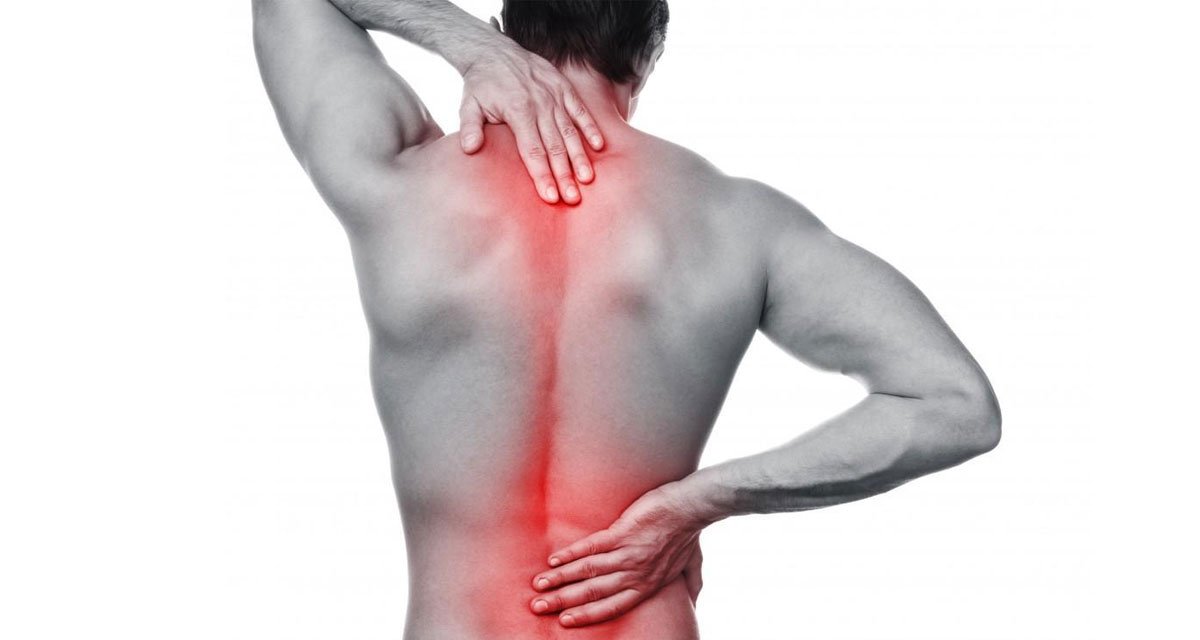
Lower back pain is often caused by everyday lifestyle habits that place repeated stress on the spine, muscles and joints. Long hours of sitting, poor posture, lack of exercise and improper lifting techniques are some of the most common contributors to ongoing discomfort. Many people develop pain gradually without realising how daily routines affect spinal health. Back physical therapy (this is commonly referred to as กายภาพบำบัดหลัง in Thai) can help identify these habits while improving movement, posture and strength to reduce pain and prevent future problems.
Lower back pain has become increasingly common due to modern work and lifestyle patterns.
Recognising the daily habits that place stress on the back can help support better mobility and long-term physical wellbeing.
Poor Posture During Daily Activities
Poor posture is one of the biggest causes of lower back pain. Sitting or standing incorrectly for extended periods places unnecessary pressure on the lower spine.
Common Posture Habits That Affect the Back
These habits may include:
- Slouching while sitting
- Leaning forward when using phones or laptops
- Sitting without proper back support
- Standing unevenly for long periods
Over time, poor posture can strain muscles, reduce spinal alignment and increase discomfort during everyday activities.
Improving posture helps reduce pressure on the lower back and supports healthier movement patterns.
Sitting for Too Long
Modern lifestyles often involve long hours sitting at desks, driving or using digital devices.
Unfortunately, prolonged sitting can weaken muscles and increase spinal pressure.
Why Inactivity Leads to Back Pain
When the body stays inactive for long periods:
- Core muscles weaken
- Hip flexibility decreases
- Circulation slows
- Spinal pressure increases
These factors may contribute to stiffness, muscle tension and persistent lower back pain.
Taking regular movement breaks throughout the day can help improve flexibility and reduce strain.
Lack of Exercise and Core Strength
Regular physical activity plays an important role in maintaining spinal strength, flexibility and overall back health. Weak muscles around the core and lower back reduce stability and may increase injury risk.
Weak Muscles Reduce Back Support
Low activity levels can contribute to:
- Poor posture
- Reduced flexibility
- Muscle imbalances
- Increased stiffness
Regular movement and strengthening exercises help support the spine and improve mobility.
Activities such as walking, stretching and guided rehabilitation exercises may help reduce discomfort and improve long-term back health.
Incorrect Lifting Techniques
Improper lifting is another common cause of lower back strain.
Lifting Habits That Increase Risk
Many people place unnecessary pressure on the spine by:
- Bending from the waist
- Twisting while lifting
- Carrying uneven weight
Using proper lifting techniques, including bending the knees and keeping the back straight, can help reduce the risk of injury.
Stress and Poor Sleep Habits
Stress and poor sleep can also contribute to lower back discomfort.
How Stress Affects the Body
Stress may lead to:
- Muscle tension
- Poor posture habits
- Reduced physical activity
- Interrupted sleep
Poor sleep can limit the body’s ability to recover from daily strain, which may worsen ongoing discomfort. So managing stress levels and improving sleep quality may support recovery and reduce muscle tightness.
Building Better Habits for Long-Term Back Health
Lower back pain is often linked to everyday habits that gradually affect posture, movement and muscle function. Small changes such as improving posture, staying active and practising proper lifting techniques can help reduce discomfort and prevent recurring pain.
For individuals experiencing ongoing lower back pain, BPC Physio provides personalised physiotherapy programmes designed to improve spinal health, restore mobility and support long-term recovery through professional rehabilitation and movement-focused care.