



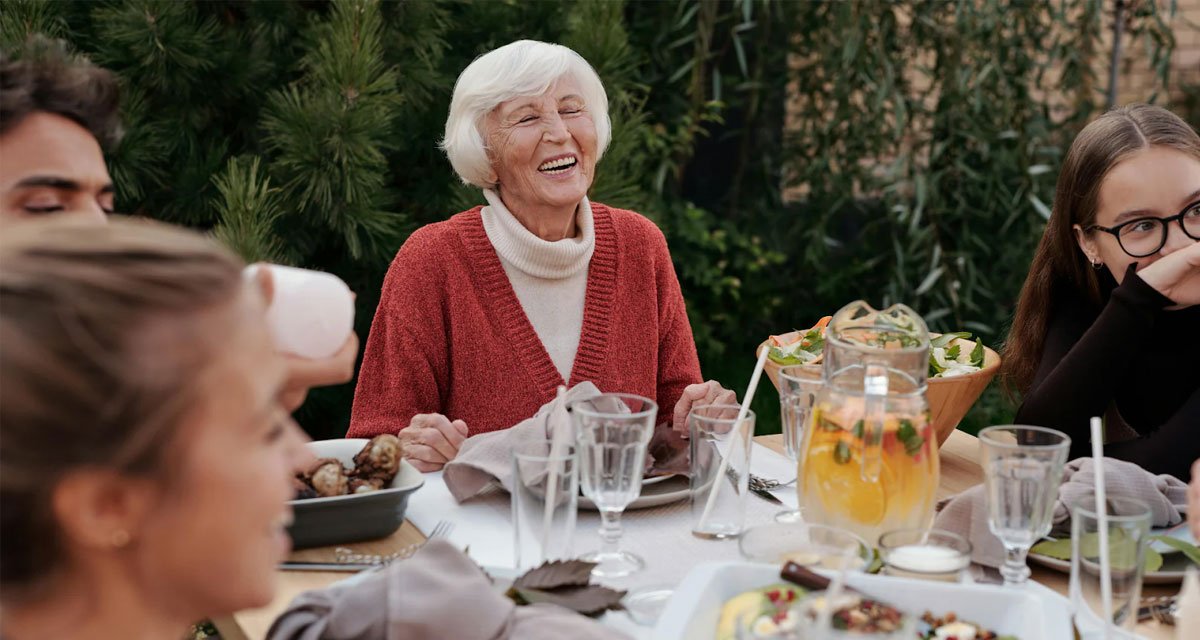
A church picnic can feel like a family reunion, youth event, and neighborhood meal all at once. Toddlers need room to run, teens need something that doesn’t feel childish, older members need shade, and the kitchen crew needs a plan that won’t fall apart by noon.
Start With Comfort
Before anyone prints a flyer, walk the site the way guests will use it. Notice where older adults can sit, whether parents can see the play area, and how far people must carry coolers.
For congregations dealing with heat, rain, food tables, games, and a mixed-age crowd, event planning Florida starts with the parts people feel first, not the decorations. A setup won’t matter much if grandparents are stuck in full sun or parents spend the afternoon steering children from traffic.
Plan the Food
At a church picnic table, food works best when it travels well, holds up outdoors, and gives different ages something familiar to choose from. Sandwich trays, grilled hot dogs, fruit, chips, pasta salad, and sheet cake usually go further than a menu that needs reheating.
Ask volunteers to label dishes clearly, especially anything with nuts, dairy, gluten, or shellfish. If families are bringing sides, point them toward foods that travel well so the table doesn’t fill up with items that wilt, spill, or need kitchen space.
Mix the Activities
Let people move in and out of activities without feeling trapped by a schedule. Lawn games, sidewalk chalk, bubbles, relay races, and a craft table give children options while adults talk nearby. Teens are more likely to join in if they can help run a game, keep score, manage music, or organize a tournament.
A short group moment can bring everyone together without making the day feel formal. A blessing, hymn, few thank-yous, or group photo before people scatter again helps the picnic feel like one church family instead of several age groups sharing the same lawn.
Make Rest Easy
Under trees or tents, chairs and cold drinks give people a place to step away from noise and movement. Ask a few volunteers to check on members who may not ask for help, especially if the meal line is long or weather turns hot.
Intergenerational connection grows more naturally when people aren’t rushed from one activity to the next. A child sitting with an older member over lemonade may remember that conversation longer than the games, and those small moments echo the value of friendships across ages in a way no formal program can force.
Share the Work
Instead of letting the same handful of volunteers do everything, split the day into small jobs. One family can bring ice, one teen can refill cups, one deacon can greet guests, and one class can clean tables after lunch. Keep trash bags, wipes, boxes, and a leftover table ready early, so the last people leaving aren’t stuck doing every job.
A good church picnic doesn’t have to be large or polished. It just needs to make people feel noticed, fed, useful, and welcome, from the youngest child to the oldest member heading home with a plate wrapped in foil.