

A clicking noise from an air conditioner can be perfectly normal or a sign of impending electrical failure — and the difference is in the timing and the pattern. A single click when the system starts and a single click when it stops is the contactor engaging and disengaging. This is normal. A rapid series of clicks — click-click-click-click — is the contactor chattering, a control board relay failing, or debris striking the fan blades. This is not normal. A click that is accompanied by the outdoor unit failing to start is a failed capacitor or a seized compressor. The click itself is the sound of an electrical component — a relay, a contactor, or a switch — opening or closing. The question is whether it is supposed to be opening and closing right now.
The first diagnostic step is to identify when the click happens. A click at startup, followed by the system running normally, is the contactor. A click that repeats every second or two with no system startup is the contactor chattering or a capacitor failure. A rhythmic click that matches the fan speed is debris. A click that happens after the system shuts off is thermal expansion. A click from inside the house that the thermostat makes is the thermostat relay. The timing identifies the component.
What the Clicking Pattern Tells You
| Click Pattern | Most Likely Cause | Normal or Problem? |
| Single click at start, single click at stop | Contactor engaging/disengaging | ✅ Normal |
| Rapid clicking, unit won’t start | Contactor chattering or failed capacitor | 🔴 Problem — shut off |
| Rhythmic click matching fan speed | Debris striking fan blade, loose blade | 🟡 Problem — remove debris |
| Click from thermostat when system cycles | Thermostat relay | ✅ Normal |
| Ping or click after system shuts off | Metal duct or housing cooling and contracting | ✅ Normal |
| Clicking from outdoor unit, fan not spinning | Capacitor trying and failing to start fan | 🔴 Problem — call technician |
1. Contactor Click: The Normal Start-and-Stop Sound
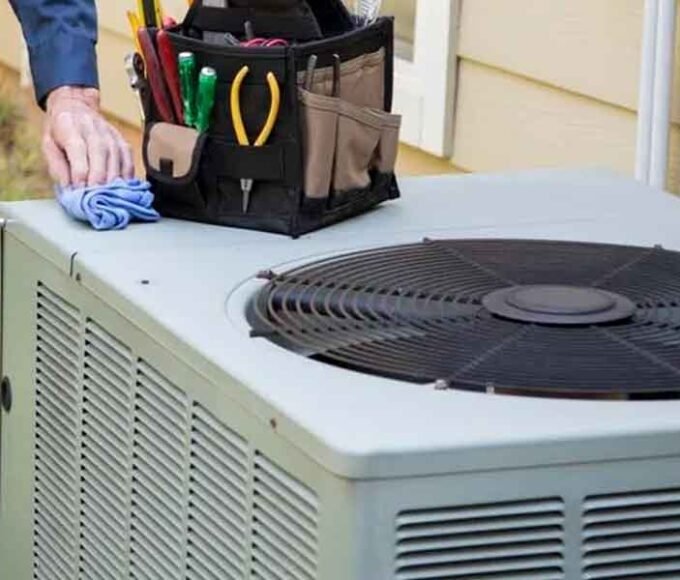
The contactor is a heavy-duty relay inside the outdoor condenser unit. When the thermostat calls for cooling, 24 volts energize the contactor’s coil, the contactor pulls in with an audible click, and 240-volt power flows to the compressor and condenser fan. When the thermostat satisfies, the 24-volt signal stops, the contactor releases with another click, and the outdoor unit shuts down. These two clicks — one at the beginning of every cooling cycle, one at the end — are the sound of the contactor doing its job. They are normal and expected.
The contactor click is loud enough to hear from several feet away from the outdoor unit. It is a sharp, metallic snap — not a soft electronic click. If the click is accompanied by the compressor and fan starting normally, the contactor is working. If the click happens but nothing else starts, the contactor is closing but the power is not reaching the compressor or fan. That is a contactor with burned contacts — the coil pulls in, the contacts touch, but the contact surfaces are so pitted that electricity cannot flow through them. A contactor with burned contacts must be replaced ($150 to $300).
2. Contactor Chattering: Rapid Clicking, Unit Won’t Start
Contactor chattering is the sound of the contactor opening and closing rapidly — several times per second — producing a machine-gun-like buzz-click-buzz-click. The chattering is caused by low voltage to the contactor coil, a failing contactor coil, or debris (typically ants) between the contactor contacts. Ants are attracted to the electromagnetic field of the contactor coil and frequently nest inside contactors. When the contactor tries to close, the ant bodies prevent the contacts from making solid contact. The contacts bounce, the coil voltage fluctuates, and the contactor chatters.
The sound is unmistakable and extremely destructive. Each chatter cycle sends a pulse of current through the compressor windings without the compressor ever reaching full running speed. The windings overheat rapidly. Turn the AC off at the thermostat and the disconnect box immediately. Do not run the system again until the contactor is inspected and replaced if necessary. A chattering contactor is a $150 to $300 repair. The compressor that is destroyed by running on a chattering contactor is a $1,200 to $2,500 replacement.
Ant-proof your contactor: After the contactor is replaced, the technician can apply a small amount of dielectric grease to the contactor contacts and the surrounding area. The grease does not interfere with electrical contact but prevents ants from nesting. This is a $0 preventive measure that takes 10 seconds and prevents the most common cause of contactor failure.
3. Debris in the Fan: Rhythmic Clicking at Fan Speed
A rhythmic click or tick that matches the fan’s rotation speed — faster on high, slower on low — is a foreign object striking the spinning fan blades. The most common debris: a small twig that fell through the top grille of the outdoor condenser unit, a piece of the unit’s own insulation that came loose, or a plastic tag from the manufacturer that was never removed during installation.
Turn off power at the disconnect box. Visually inspect the fan area with a flashlight. Remove any visible debris with a gloved hand or a grabber tool. Spin the fan blade by hand and listen for scraping — if the blade scrapes the fan shroud at a specific point in its rotation, the blade is bent. A bent condenser fan blade can sometimes be gently straightened by hand. A blade with a crack at the hub must be replaced ($30 to $60 for the blade, plus labor). For an indoor blower making a rhythmic clicking, the debris is likely inside the blower wheel — a small object sucked into the return duct has lodged between the blower fins. Turn off power and remove the blower compartment panel to inspect.
4. Thermostat Relay Click: The Sound from Inside the House
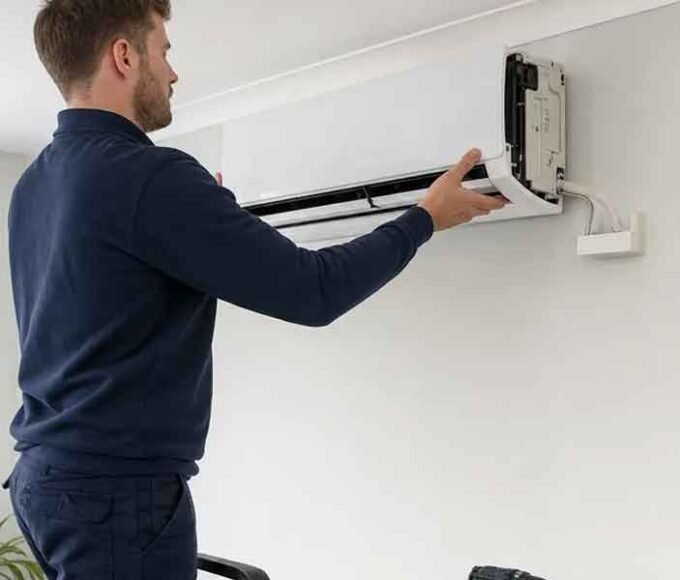
A soft click from the thermostat itself when the system cycles on and off is the thermostat’s internal relay opening and closing. Every thermostat with mechanical relays — which is most of them — makes this sound. It is quieter than the outdoor contactor click because the thermostat relay switches only the 24-volt control signal, not the 240-volt compressor power. The thermostat click is normal.
If the thermostat clicks repeatedly without the system starting — click, pause, click, pause — the thermostat relay may be failing, or the thermostat may be receiving insufficient power to hold the relay closed. Replace the batteries. If the clicking persists with fresh batteries, the thermostat itself may be failing. A basic replacement costs $25 to $80. If the thermostat is clicking rapidly — click-click-click — and the system is short cycling on and off, the thermostat is too close to a supply register or its temperature sensor is failing. Move the thermostat or replace it.
5. Thermal Expansion Clicks: The Sound After Shutdown
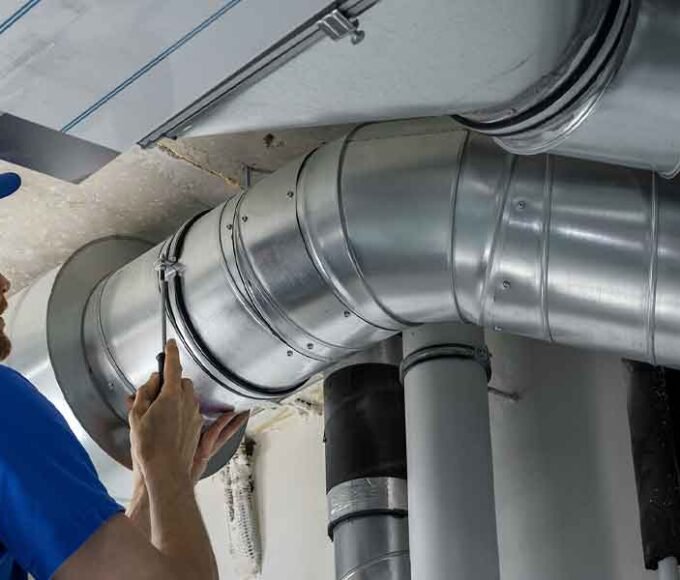
A ping, pop, or click that occurs after the system cycles off — not during operation — is the metal housing, the ductwork, or the refrigerant lines cooling down and contracting. The sound is the same physics that makes a car engine tick as it cools: metal expands when hot, contracts when cold, and the contraction can produce a sharp ping as the metal panels shift against their fasteners. Thermal expansion clicks are harmless and cannot be eliminated. They can be reduced by tightening loose duct joints and panel screws, which decreases the amount of movement during thermal cycling.
A thermal expansion click is distinguished from a mechanical click by timing: it happens when the system is off and cooling down, not when it is running. It is a single ping or pop, not a repeated pattern. It comes from the ductwork or the air handler cabinet, not from the outdoor unit. If the sound is a single ping after shutdown, it is thermal expansion. If the sound is a repeated click during operation, it is mechanical or electrical and requires diagnosis.
FAQ: Common Questions About AC Clicking Noises
My thermostat clicks but the AC does not start. What is wrong?
The thermostat is sending the call for cooling — the click is the relay closing — but the signal is not reaching the outdoor unit, or the outdoor unit is not responding. Check the circuit breaker for the outdoor condenser. Check the disconnect box near the unit. If both have power, the problem is the contactor or the capacitor in the outdoor unit. The 24-volt signal from the thermostat is reaching the contactor coil, but the contactor is not closing, or it is closing but the capacitor cannot start the compressor. This requires a technician. When complex electrical symptoms occur, trying to resolve them without specialized training can create additional safety risks or lead to deeper system faults. Homeowners can avoid these hazards by relying on a professional to handle diagnostic work and component replacements. Certified technicians possess the specialized tools required to test voltage drops, check contact surfaces, and evaluate overall mechanical health. Routine care from a qualified hvac company can help ensure that underlying electrical connections remain secure, which directly prevents early hardware failures and helps maintain consistent indoor comfort throughout the peak cooling season.
Why is my window AC making a clicking noise?
A window AC clicking noise is most commonly the thermostat cycling the compressor on and off — a normal click. If the clicking is rapid and the compressor tries to start but fails, the compressor’s start relay or capacitor has failed. A window AC with a failed compressor start component is usually not worth repairing — the cost of the repair approaches the cost of a replacement unit. If the clicking is rhythmic, debris is striking the blower wheel or the condenser fan blade. Unplug the unit, remove the front grille and the outer casing, and inspect the fan areas for debris.
A Single Click Is the Contactor. A Stream of Clicks Is a Problem.
An AC that clicks once when it starts and once when it stops is working normally. That is the contactor. An AC that clicks rapidly without starting is in electrical trouble — the contactor is chattering or the capacitor has failed. An AC that clicks rhythmically during operation has debris in a fan. An AC that clicks after shutdown is cooling down.
If the click is a normal start-stop click, you do not need to do anything. If the click is rapid chattering, turn the system off immediately. If the click is rhythmic, clean the debris from the fan. The $150 contactor replacement that fixes the chattering is a fraction of the $2,500 compressor replacement that results from ignoring it. The click is the sound of a relay. Listen to the pattern. The pattern tells you whether the relay is doing its job or destroying the compressor.
This process allows the system to achieve higher annual fuel utilization efficiency scores, significantly lowering ongoing monthly utility bills compared to older heating configurations. Homeowners who monitor their utility bills closely often find that upgrading an outdated or underperforming setup can pay dividends in consistent seasonal comfort. To evaluate alternative setups, structural sizing requirements, and seasonal efficiency ratings for a home heating upgrade, continue reading for helpful indicators on choosing the right replacement layout.