


Lighting is one of the most overlooked factors when it comes to home value. Buyers notice paint colors and countertops right away, but good lighting shapes how every room actually feels.
Professional lighting design goes beyond swapping bulbs or adding a few fixtures. It considers layout, function, and how light interacts with your home’s architecture.
Here’s how it can boost your home’s value and appeal.
What Does Professional Lighting Design Actually Involve?
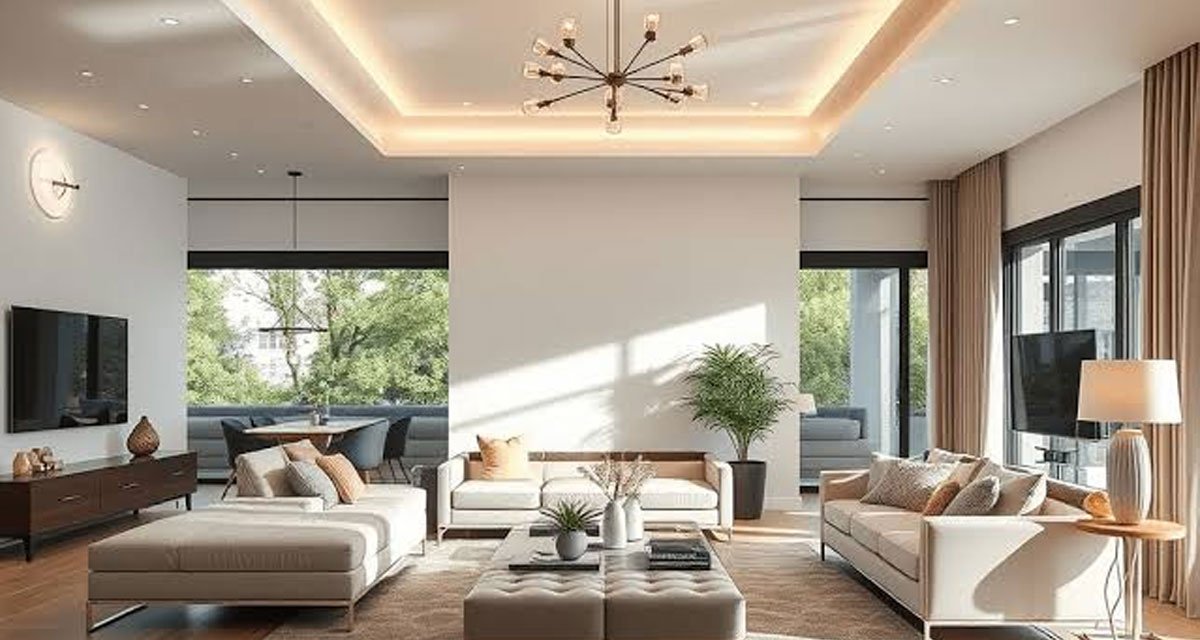
Professional lighting design involves planning layered lighting across a home, combining ambient, task, and accent light sources for both function and style. It’s not just about brightness, but about how light is distributed throughout each room.
Designers consider ceiling height, natural light, room purpose, and existing architecture before recommending fixtures. This creates a cohesive look instead of a random collection of lamps and overhead lights.
The result feels intentional, which buyers and appraisers both notice.
Does Better Lighting Really Increase Home Value?
Yes, well designed lighting can increase perceived home value by making spaces feel larger, warmer, and more move in ready. Buyers often associate good lighting with overall home quality, even if they can’t quite articulate why a room feels appealing.
Poor lighting, on the other hand, can make even a beautifully renovated kitchen feel flat or uninviting. Shadows in the wrong places or harsh overhead glare can undercut an otherwise strong listing.
Real estate agents frequently point to lighting upgrades as one of the more cost effective ways to boost showing appeal.
What Is Layered Lighting and Why Does It Matter?
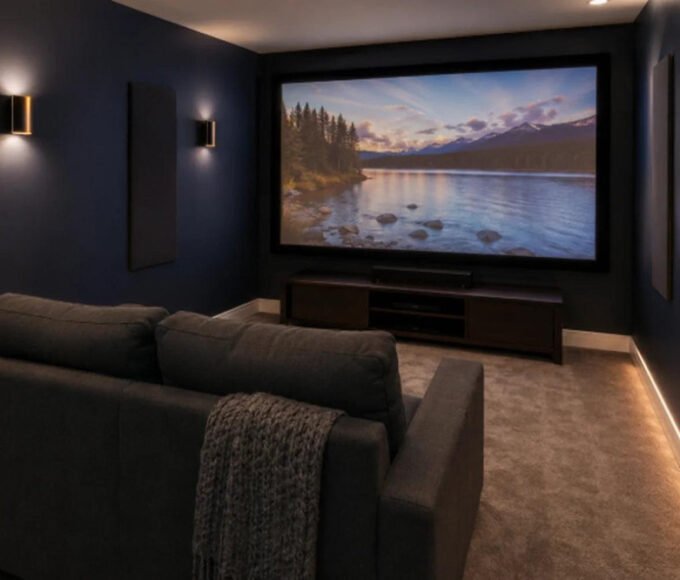
Layered lighting combines ambient, task, and accent lighting to create depth and flexibility within a room. Ambient lighting provides overall illumination, task lighting supports specific activities, and accent lighting highlights architectural features or artwork.
Relying on a single overhead fixture leaves rooms feeling flat and uneven. Layering light sources lets homeowners adjust a room’s mood depending on the time of day or occasion.
This approach is especially effective in kitchens, living rooms, and home offices where different activities happen throughout the day.
How Does Lighting Affect Curb Appeal?
Exterior lighting significantly boosts curb appeal by highlighting architectural details, landscaping, and walkways after dark. Well placed outdoor fixtures make a home feel welcoming and secure, both important factors for potential buyers.
Uplighting on trees or facades adds a dramatic effect without much added cost. Pathway lighting improves safety while guiding the eye toward the entryway.
Since many buyers drive by homes in the evening before scheduling a showing, exterior lighting often creates a first impression before anyone steps inside.
Are Smart Lighting Systems Worth the Investment?
Yes, smart lighting systems add convenience and energy efficiency that many modern buyers actively look for. Features like scheduling, dimming, and remote control appeal to tech oriented buyers browsing listings.
Smart bulbs and switches also tend to use less energy than traditional lighting, which appeals to buyers concerned about long term utility costs. Compatibility with voice assistants adds another layer of appeal for younger buyers entering the market.
Older homes may need updated wiring to support these systems, which is where working with a qualified electrician makes a real difference.
Ensuring that the underlying electrical infrastructure is robust enough to handle these modern upgrades is a critical step in any home improvement project. Property owners who want to avoid overloaded panels can learn more about configuring their systems safely by consulting with certified professionals who specialize in comprehensive system upgrades. Taking the time to evaluate circuit distribution limits early helps prevent unexpected electrical issues during subsequent renovations.
Why Should Homeowners Hire a Professional Instead of DIY?
Professional installation ensures wiring, circuit loads, and fixture placement all meet code while achieving the intended design. Lighting design involves more than aesthetics, since improper wiring or overloaded circuits can create real safety hazards.
A licensed electrician also knows how to integrate new lighting with existing panels without overloading circuits. This matters even more when adding statement fixtures like chandeliers or recessed lighting throughout multiple rooms.
Homeowners exploring electrical services in O’Fallon MO often start the process while planning a kitchen remodel or whole home lighting upgrade, since these projects tend to reveal outdated wiring that needs attention first.
Which Rooms Benefit Most From Lighting Upgrades?
Kitchens, bathrooms, and living rooms benefit the most from professional lighting upgrades since buyers spend the most time evaluating these spaces. Kitchens especially benefit from under cabinet lighting and layered task lighting near countertops.
Bathrooms improve significantly with vanity lighting that reduces shadows during grooming tasks. Living rooms gain the most from dimmable ambient lighting paired with accent fixtures that highlight architectural details or artwork.
Focusing renovation budgets on these high traffic rooms tends to offer the best return when it comes to resale appeal.
Does Energy Efficient Lighting Impact Resale Value?
Yes, energy efficient lighting like LED fixtures appeals to buyers looking for lower utility costs and reduced environmental impact. LED lighting uses significantly less electricity than incandescent or older fluorescent options.
Buyers increasingly ask about energy efficiency during showings, especially as utility costs continue rising. Homes already equipped with efficient lighting remove one more item from a buyer’s post purchase to do list.
This small detail can make a noticeable difference during a competitive sale.
How Can Homeowners Start Planning a Lighting Upgrade?
Homeowners should start by evaluating each room’s function and identifying where current lighting falls short. A walkthrough at different times of day reveals which spaces feel too dim, too harsh, or unevenly lit.
From there, working with an electrician helps translate design goals into a practical wiring plan. This step ensures new fixtures are placed correctly and supported by adequate electrical capacity.
Starting small, room by room, makes the process more manageable without overwhelming a renovation budget.
Final Thoughts
Professional lighting design does more than make a home look nice. It shapes how buyers feel the moment they walk through the door, which directly influences perceived value.
Layered interior lighting, thoughtful exterior fixtures, and energy efficient upgrades all work together to create a home that feels finished and well cared for.
A well lit home tells buyers the rest of the property has likely been maintained with the same level of care.