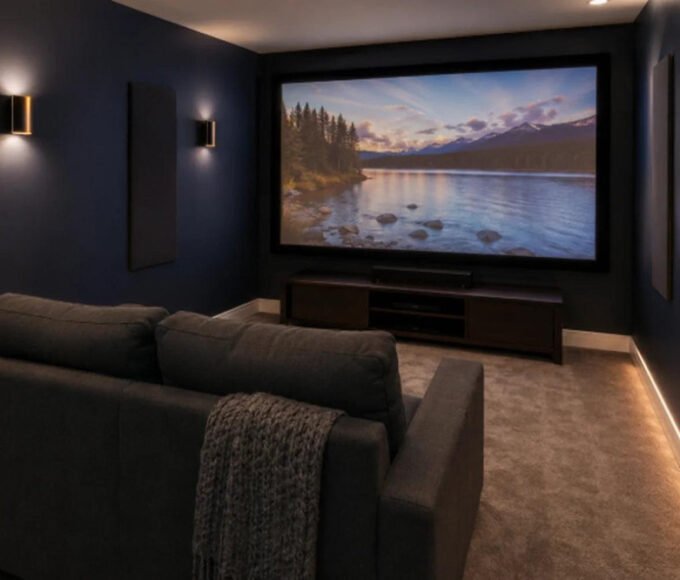




A plain interior can feel more layered and interesting when height, shape and texture are introduced without filling every available surface. Artificial trees (this is commonly referred to as ต้นไม้ปลอม in Thai) achieve this by drawing the eye upwards and giving an otherwise simple room a stronger visual presence. Instead of adding several ornaments, shelves or decorative accessories, one carefully positioned tree can create dimension while allowing the surrounding space to remain open, tidy and comfortable.
Give the Eye Somewhere to Travel
Rooms can sometimes appear flat when most of their furniture sits at a similar height. A sofa, coffee table and low cabinet may all be practical choices, but together they can leave the upper part of the room feeling noticeably empty.
Adding a tall decorative feature changes the way the eye moves through the space. The vertical form creates a connection between the floor and the higher areas of the room, making the overall layout feel more balanced.
This works particularly well beside a sofa, near a reading chair or in a corner where additional furniture would simply take up unnecessary room.
Create Layers Without Filling Every Surface
Adding depth does not mean decorating every wall, table and shelf. In fact, too many small objects can make a simple interior lose the calm quality that made it appealing in the first place.
A more considered approach is to introduce a few pieces with noticeably different heights and forms. For example, a tall leafy feature can sit behind or beside lower furniture, creating a natural foreground and background.
This subtle layering can make a room feel thoughtfully styled without requiring extra cabinets, wall decorations or collections of accessories.
Use Shape to Break Up Straight Lines
Modern interiors often feature clean lines, rectangular furniture and smooth surfaces. While these elements create a polished appearance, too many straight edges can sometimes make a room feel rigid.
Organic shapes offer a useful contrast. Branching forms and irregular foliage interrupt those straight lines without overwhelming the existing design.
The effect can be especially attractive in minimalist living rooms, dining areas and home offices where simplicity is important but the room still needs warmth and personality.
Choose the Right Scale for the Room
Creating depth depends heavily on proportion. A decorative feature that is too small may disappear into the background, while something oversized can dominate the room and make it feel crowded.
Before choosing a size, consider:
- the height of the ceiling
- the amount of available floor space
- nearby furniture dimensions
- whether the area already has a strong focal point
- how much visual breathing room you want to preserve
A narrow design may suit a compact corner, while a fuller statement piece can work beautifully in a spacious room with high ceilings.
Let Empty Space Remain Part of the Design
One of the easiest decorating mistakes is assuming that every empty area needs something added to it. Empty space actually helps individual features stand out.
Rather than surrounding a decorative tree with baskets, lamps and ornaments, allow some clear space around it. This gives its silhouette room to be noticed and prevents the arrangement from becoming visually busy.
The result is depth created through contrast rather than quantity.
A Simple Addition That Changes the Whole Room
A plain interior does not need layers of decoration to gain character. Thoughtful height, natural-looking forms and careful placement can transform how spacious and complete a room feels while keeping clutter under control. For homeowners looking to introduce greenery-inspired character without complicating their interiors, Flower Richcy offers decorative options that can help turn overlooked spaces into beautifully balanced features.