



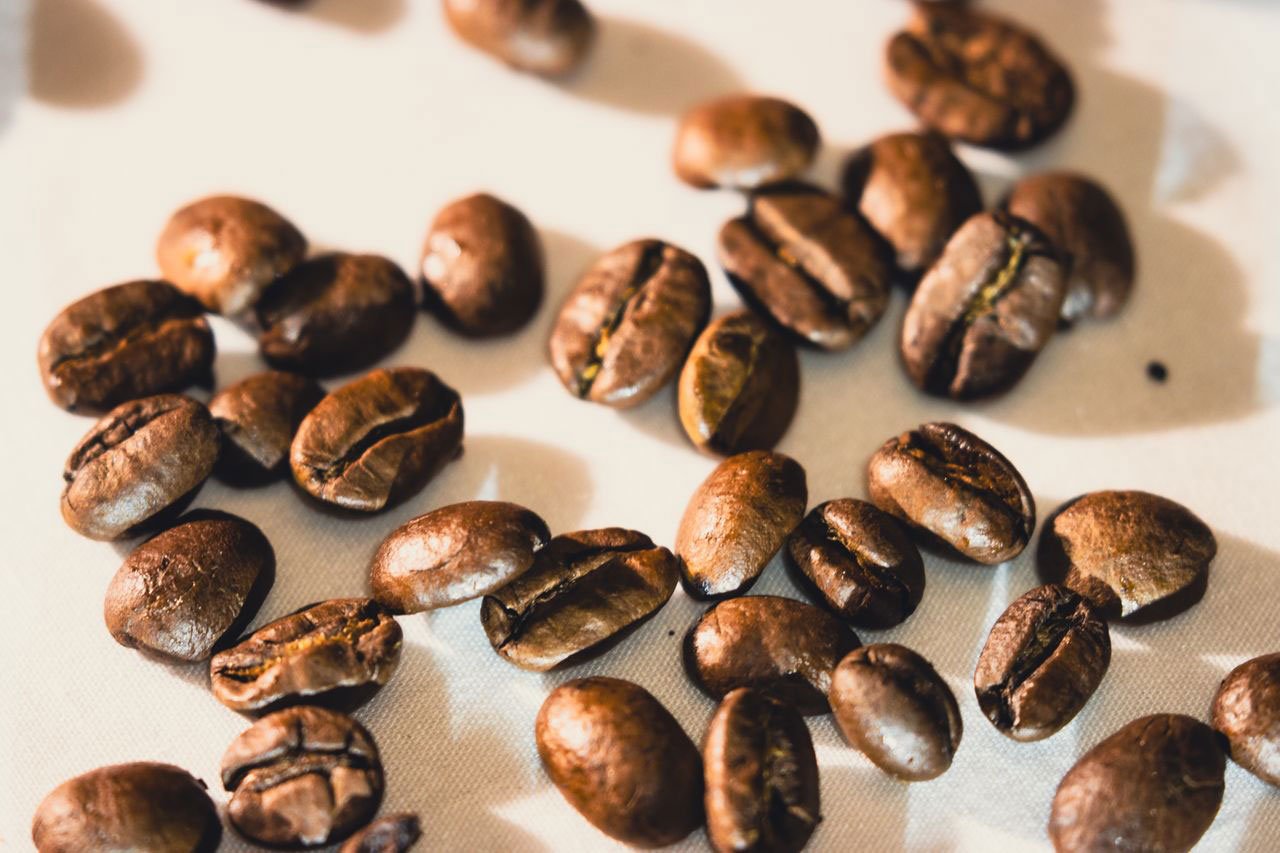
Buying coffee every morning can quickly become an expensive habit, especially when small daily purchases add up over time. While coffee is an essential part of many people’s routines, there are practical ways to reduce costs without giving up quality or enjoyment. By being more intentional with how you purchase, prepare, and source your coffee, you can significantly cut expenses. Saving money does not mean sacrificing flavor or consistency, it simply requires smarter choices. With a few adjustments, your daily coffee can remain satisfying while becoming more budget-friendly. Small changes can lead to noticeable long-term savings.
Brew Your Coffee At Home
One of the most effective ways to save money is by preparing your coffee at home. Purchasing coffee from shops every day can cost significantly more than making it yourself. Investing in a basic coffee maker or French press allows you to control both the cost and quality of your drink. Brewing at home also gives you flexibility to customize your coffee to your preferences. Over time, the savings from skipping daily café visits can be substantial. A home setup pays for itself quickly. Consistency at home creates both convenience and savings.
Buy Coffee Beans In Bulk
Purchasing coffee beans in larger quantities is another simple way to reduce costs. Bulk buying often comes with lower per-unit pricing compared to smaller packages. While it requires a bit more upfront spending, it leads to better value over time. Proper storage helps maintain freshness and quality, ensuring you get the most out of your purchase. Buying smarter reduces the frequency of shopping and overall cost. Bulk purchasing supports long-term savings. Planning ahead makes a difference.
Grind Your Own Beans
Pre-ground coffee can be convenient, but whole beans tend to stay fresh longer and often offer better value. Grinding your own beans at home allows you to preserve flavor while controlling how much you use. This helps reduce waste and ensures a consistent taste. Investing in a small grinder can improve both quality and cost efficiency. Freshly ground coffee enhances the overall experience without increasing expenses. Better control leads to better results. Freshness also adds value.
Limit Add-Ons And Specialty Drinks
Specialty drinks with syrups, flavors, and extras can significantly increase the cost of your coffee. Simplifying your order or reducing add-ons helps keep expenses low. Even small upgrades can add up over time when purchased regularly. Choosing simpler options or recreating specialty drinks at home can save money without losing enjoyment. Being mindful of extras helps control spending. Simplicity often leads to better budgeting. Smart choices keep costs in check.
Find Cost-Effective Bean Sources
Where you source your coffee beans also plays a major role in overall cost. Exploring options from reliable green coffee bean suppliers can help you find better pricing without sacrificing quality. These suppliers often provide beans at a lower cost compared to retail-ready products. Sourcing directly or through trusted distributors helps reduce markup. Quality and affordability can go hand in hand with the right supplier. Smart sourcing improves long-term savings. Supplier choice matters.
Use Reward Programs And Discounts
If you still enjoy buying coffee from shops occasionally, take advantage of loyalty programs and promotions. Many cafés offer discounts, free drinks, or point-based rewards for regular customers. Using these programs helps offset costs over time. Timing purchases around promotions also adds savings. Strategic buying ensures you still enjoy café coffee without overspending. Rewards offer simple opportunities to save. Planning helps maximize value.
Control Portion Sizes
Using more coffee than necessary can lead to unnecessary waste. Measuring your coffee properly ensures that you get consistent flavor while maximizing each batch. Overusing coffee grounds increases costs without adding significant benefit. Following recommended brewing ratios helps maintain balance. Proper portioning improves efficiency and reduces waste. Small adjustments create noticeable savings. Precision supports better results.
Experiment With Alternative Brewing Methods
Different brewing methods can affect both cost and flavor. Some methods, such as pour-over or French press, require fewer ingredients and less equipment compared to machines. Exploring alternative methods can help you find a cost-effective option that still delivers great taste. Simpler brewing techniques often provide better control over usage. Trying different approaches helps you find the best balance between cost and quality. Flexibility leads to better decisions.
Be Consistent With Your Routine
Consistency is key when trying to save money on coffee. Building habits around home brewing, proper portioning, and smart purchasing ensures long-term success. Irregular habits often lead to overspending or unnecessary purchases. Staying disciplined with your routine helps reinforce cost-saving behaviors. Over time, small consistent actions produce significant financial benefits. Routine supports lasting results.
Conclusion
Saving money on morning coffee does not require giving it up entirely. By brewing at home, buying in bulk, limiting add-ons, and sourcing beans wisely, you can significantly reduce costs while maintaining quality. Simple habits and smart choices make your daily routine more affordable without sacrificing enjoyment. With a little planning and consistency, your coffee habit can become both satisfying and budget-friendly.