

Adding extra living space to a home often creates new heating and cooling challenges. Whether homeowners are converting a garage into a guest suite, building a sunroom, finishing a basement, or creating a home office, maintaining a comfortable indoor temperature becomes a key part of the project. Choosing the right climate-control solution can significantly affect energy use, comfort, installation costs, and long-term property value.
Two popular options for these spaces are the traditional portable cooling unit and the modern air conditioner, ductless mini split setup. Both approaches serve the same basic purpose, but they operate very differently and suit different types of home additions. Understanding the strengths and limitations of each option can help homeowners make more practical and cost-effective decisions.
Why Home Additions Need Specialized Cooling Solutions
Many home additions are constructed separately from the main ductwork of a house. Extending an existing HVAC system may seem convenient, but it is not always feasible. Older systems may lack the capacity to cool additional square footage effectively, while extending ducts can involve significant labor and renovation costs.
Deciding on the proper setup requires analyzing the long-term needs of your expansion. When planning to maximize comfort during colder months, you can continue reading about specialized heating and zoning strategies that keep utility costs low. Ensuring the space remains well-calibrated throughout the year helps maintain stable energy bills and improves overall air distribution.
This challenge has increased demand for standalone climate-control systems that can operate independently from the central network. Homeowners now prioritize flexibility, energy efficiency, quieter operation, and easier installation when evaluating cooling solutions for expanded living areas.
The right choice often depends on the intended use of the space, local climate conditions, budget limitations, and long-term occupancy plans.
Property owners managing home updates in regions facing intense seasonal temperature shifts often focus heavily on establishing dependable climate control. Working with qualified HVAC specialists like Samons Air Conditioning ensures that any newly integrated system is appropriately calibrated for long-term functional demands. A well-constructed setup supports a consistent indoor climate while keeping monthly utility expenses manageable throughout the year.
Understanding Portable Cooling Units
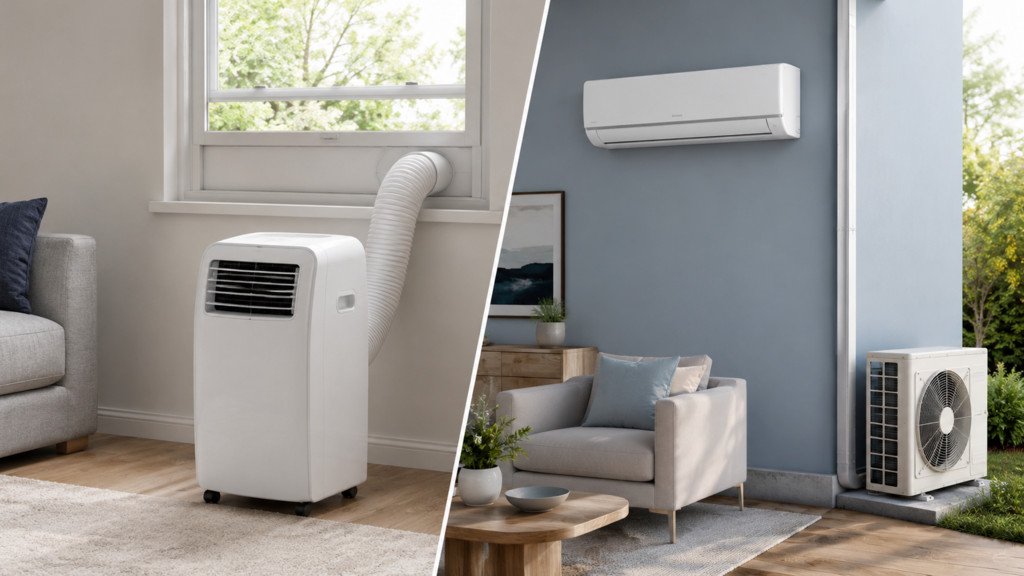
Portable systems are self-contained machines designed to cool individual rooms. They are commonly placed on the floor and connected to a nearby window using an exhaust hose. Their biggest advantage is simplicity. Most models require minimal setup and can begin operating shortly after purchase.
These units are especially attractive for renters, temporary living spaces, or homeowners who need immediate relief during warmer months. Because they can be moved between rooms, they also offer flexibility for people who do not want permanent installations.
However, convenience often comes with trade-offs.
Portable systems generally consume more electricity relative to their cooling output. They also occupy floor space, produce noticeable operating noise, and may struggle to maintain stable temperatures in larger rooms or spaces exposed to strong sunlight. In many cases, the exhaust hose and window venting setup can reduce overall efficiency by allowing heat infiltration.
For smaller additions used occasionally, these limitations may be acceptable. For daily-use living areas, they can become frustrating over time.
Understanding Duct-Free Wall-Mounted Systems
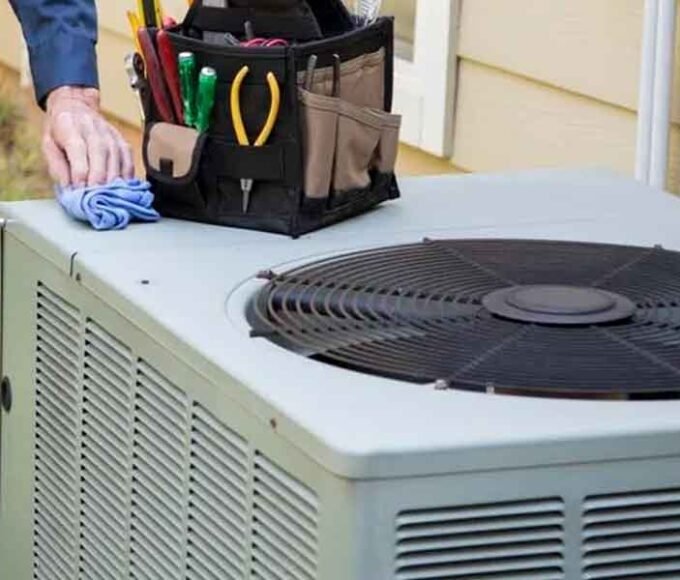
Wall-mounted split systems operate differently. They consist of two separate components: an indoor air handler and an outdoor compressor. Refrigerant lines connect the two sections through a small opening in the wall.
Unlike portable units, these systems are designed for long-term climate control. They typically offer both cooling and heating capabilities, making them useful throughout the year. Many homeowners choose them for additions that function as permanent living spaces, such as converted garages, home gyms, detached offices, or guest rooms.
One major advantage is efficiency. Because the system does not rely on long duct networks, energy losses are minimized. Many modern models also use inverter technology, which allows the compressor to adjust speed dynamically instead of constantly cycling on and off. This results in more stable indoor temperatures and reduced energy consumption.
Another notable benefit is quieter performance. Since the louder compressor remains outside, indoor noise levels are generally much lower compared to portable alternatives.
Still, these systems are not perfect for every situation. Installation costs are higher, professional setup is usually required, and homeowners must be comfortable with a permanent fixture attached to the wall.
Comparing Installation Requirements
Installation complexity is one of the biggest differences between these two approaches.
Portable systems are relatively straightforward. Homeowners typically only need access to a power outlet and a compatible window for venting. This simplicity makes them appealing for people who want quick results without hiring contractors.
However, convenience can come at the expense of aesthetics and functionality. Window vent kits may block natural light, create security concerns, or interfere with the appearance of the room. In smaller spaces, the unit itself can feel bulky and intrusive.
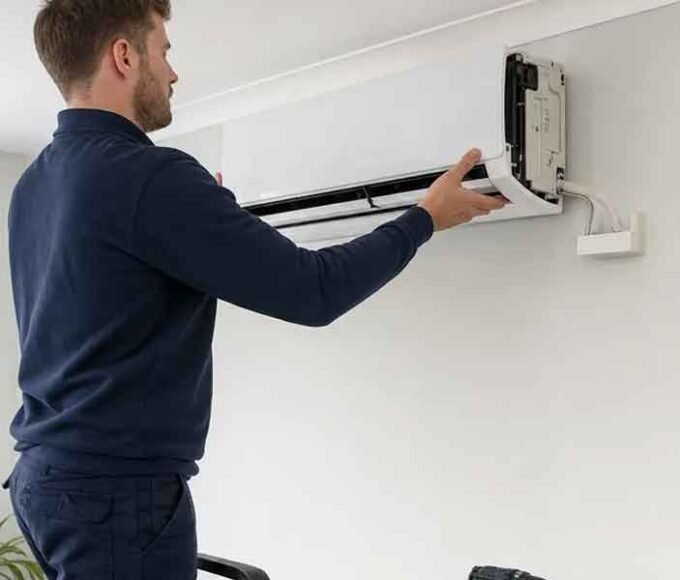
Wall-mounted split systems require a more involved installation process. Technicians must mount the indoor unit, position the outdoor condenser, connect refrigerant lines, and ensure proper electrical compatibility. Property owners who want to guarantee reliable performance during extreme summer heat often opt for professional setup to avoid mistakes. For example, scheduling an expert ductless ac installation in Pensacola helps regional residents ensure that their systems are properly sized and calibrated for local humidity levels. Having a qualified professional manage the initial layout supports consistent indoor comfort, improves energy efficiency, and protects major components from premature wear over years of continuous seasonal use. Technicians must mount the indoor unit, position the outdoor condenser, connect refrigerant lines, and ensure proper electrical compatibility. The initial process may seem disruptive, but once completed, the system blends more seamlessly into the living environment.
For homeowners planning a permanent addition, investing in professional installation may provide better long-term satisfaction despite the higher upfront expense.
Energy Efficiency and Long-Term Operating Costs
Energy efficiency is a major consideration for homeowners trying to control utility expenses.
Portable systems often consume significant electricity relative to the amount of cooling they deliver. Single-hose models can create negative air pressure, which pulls warm outdoor air into the room through gaps and cracks. This forces the unit to work harder and increases energy consumption.
Dual-hose models improve performance somewhat, but they still generally lag behind modern split-system efficiency ratings.
By contrast, wall-mounted systems are specifically designed to maximize efficiency. Many feature advanced compressors, programmable temperature controls, occupancy sensors, and zoned cooling functions. Because they deliver conditioned air directly into the room without duct losses, they often achieve better energy performance over time.
For homeowners using the addition daily, the lower operating costs can gradually offset the higher installation expense. Over several years, the difference in utility bills may become substantial.
Maintaining this level of energy performance requires consistent attention to the mechanical health of the unit. While ductless systems are designed for high efficiency, localized environmental factors like dust or heavy usage during peak summer months can eventually impact their operation. Homeowners who notice shifts in temperature stability or unusual sounds should address these concerns early to avoid higher electricity costs. Accessing professional cooling system repair in Florence can help residents identify minor issues before they lead to significant malfunctions. Keeping the internal components clean and well-calibrated supports the system’s ability to deliver balanced airflow while preserving the energy savings that make these permanent installations so valuable.
However, homeowners who only use the room occasionally may not experience enough energy savings to justify the larger upfront investment.
Comfort and Temperature Stability
Comfort involves more than simply lowering the temperature. Air distribution, humidity management, and temperature consistency all influence how pleasant a room feels.
Beyond mechanical systems, the structural integrity and thermal resistance of a home addition play a significant role in maintaining a stable climate. Even the most advanced cooling units can struggle if a room lacks proper sealing or high-quality materials to manage external heat. Taking the time to evaluate the building envelope helps ensure that conditioned air remains where it is needed most. These types of upgrades can help increase indoor comfort by limiting drafts and reducing the workload on your HVAC equipment. Addressing these fundamental aspects during the construction or renovation phase supports a more balanced environment and long-term energy performance.
Portable units often cool unevenly. Areas closest to the machine may feel cold while corners farther away remain warm. Some models also struggle with humidity control, leaving rooms feeling damp during humid weather conditions.
Noise can further affect comfort. Since all components operate within the room itself, portable units can generate noticeable fan and compressor sounds that disrupt sleep, work, or conversation.
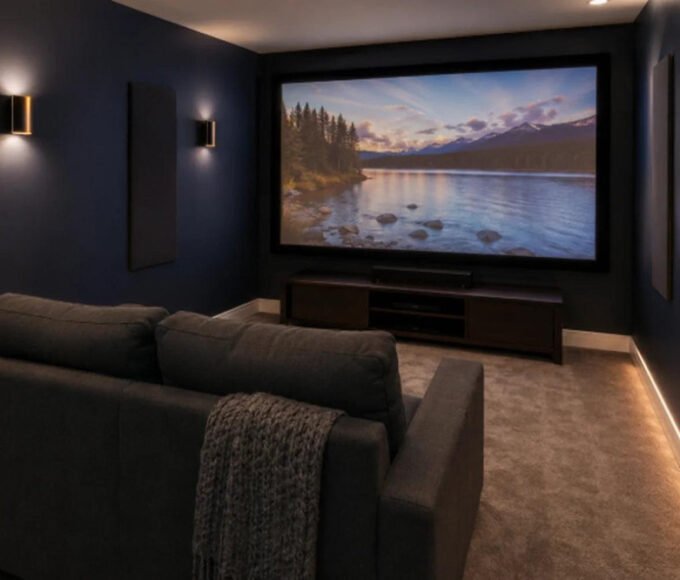
Split systems usually provide more balanced airflow and better humidity management. Their quieter operation contributes to a more relaxing environment, especially in bedrooms, offices, or media rooms.
For homeowners converting additions into primary living areas, these comfort advantages often become an important deciding factor.
Space and Design Considerations
Home additions are often designed to maximize usable square footage. The type of cooling system selected can influence furniture placement, room aesthetics, and overall functionality.
Portable units consume floor space and require clear airflow around the machine. The exhaust hose also creates visual clutter that some homeowners find unattractive. In compact rooms, this can limit furniture arrangement options.
Wall-mounted systems free up floor space entirely. Their slim indoor units are usually installed high on the wall, allowing greater flexibility in room design. While some people dislike the appearance of mounted units, many modern models feature cleaner, more minimalist designs that integrate more easily with contemporary interiors.
For homeowners prioritizing a polished and permanent appearance, mounted systems may offer a more visually appealing solution.
Climate and Regional Factors
Climate conditions play a major role in determining which solution makes the most sense.
In mild climates where cooling is only needed occasionally, portable systems may provide sufficient performance without requiring major investment. Temporary seasonal use can justify choosing a less expensive option.
In regions with long summers, high humidity, or extreme heat, efficiency and reliability become more important. A permanently installed split system may perform better under continuous demand while maintaining lower operating costs.
Cold-weather performance is another consideration. Many modern wall-mounted systems provide efficient heating during winter months, making them valuable year-round climate-control tools. Portable cooling units generally lack this versatility.
Homeowners should evaluate how frequently the addition will be used throughout the year before selecting a system.
Maintenance and Durability
Maintenance requirements can affect both convenience and long-term ownership costs.
Portable systems require regular draining in humid environments unless they feature self-evaporative technology. Air filters also need periodic cleaning, and window vent connections may loosen over time.
Because these units are frequently moved, they may experience more wear and accidental damage. Their overall lifespan is often shorter compared to permanently installed systems.
Split systems also require maintenance, including filter cleaning and occasional professional servicing. However, they are generally built for long-term residential use and may last significantly longer when properly maintained.
For homeowners seeking a durable, low-disruption solution for permanent living spaces, long-term reliability may justify the larger investment.
Financial Trade-Offs and Budget Planning
Budget considerations often shape the final decision.
Portable systems typically cost far less upfront, making them accessible for homeowners with limited renovation budgets. They can provide immediate comfort without requiring structural modifications or contractor scheduling.
However, lower initial cost does not always mean lower total ownership cost. Higher energy use, shorter lifespan, and reduced comfort can make them less economical over time.
Mounted split systems require larger initial spending, especially when professional installation is included. Yet their efficiency, durability, and ability to improve daily comfort may provide better long-term value for homeowners who use the space regularly.
The decision often comes down to balancing short-term affordability against long-term performance and operating savings.
Maintaining a steady indoor climate also requires regular mechanical checkups to ensure that regardless of the system chosen, it continues to run without interruption. Over time, dust accumulation and normal wear can reduce the effectiveness of both portable and permanent units, leading to uneven temperatures or higher utility costs. For residents who find their systems struggling during a heatwave, finding reliable ac repair near me can help restore balanced cooling and prevent minor mechanical issues from escalating into major failures. Consistent upkeep supports the longevity of your investment and helps keep new home additions comfortable throughout the year.
Impact on Home Value and Future Flexibility
Home improvement decisions can also affect resale value and buyer appeal.
Permanent climate-control systems may increase the attractiveness of a home addition by making it feel like a fully integrated living space rather than a temporary conversion. Buyers often appreciate energy-efficient upgrades and year-round comfort features.
Portable systems generally do not contribute much to perceived property value because they are considered removable appliances rather than permanent improvements.
However, flexibility still matters. Homeowners who anticipate moving soon or changing the room’s function later may prefer a temporary solution that avoids permanent installation expenses.
Understanding long-term plans for the property can help guide a more strategic investment decision.
Which Option Is Better?
There is no universal answer because every home addition serves different needs.
Portable cooling systems are often best for:
- Temporary spaces
- Occasional room usage
- Lower upfront budgets
- Renters or short-term homeowners
- Situations where permanent installation is not possible
Wall-mounted split systems are often better for:
- Daily-use living spaces
- Home offices and bedrooms
- Energy-conscious households
- Long-term property investments
- Areas requiring both heating and cooling
The best solution depends on balancing installation cost, comfort expectations, room usage, energy efficiency goals, and long-term plans for the home.
Final Thoughts
Choosing the right cooling system for a home addition involves more than comparing price tags. Installation complexity, energy performance, comfort quality, maintenance requirements, aesthetics, and long-term value all influence the overall experience.
Portable units offer affordability and convenience, making them suitable for temporary or lightly used spaces. Split-system solutions, while more expensive upfront, often deliver superior efficiency, quieter performance, and improved comfort for permanent additions.
Homeowners who carefully evaluate how the space will be used — both now and in the future — are more likely to choose a solution that balances practicality, comfort, and financial value effectively.