



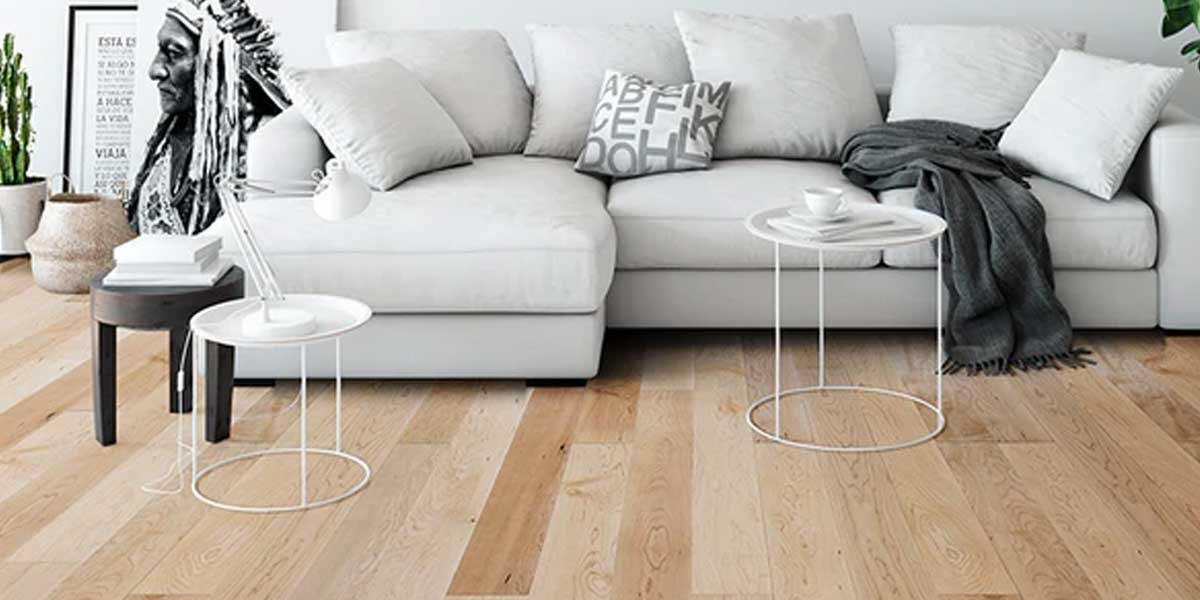
Wood flooring remains a common choice for modern homes because it is available in a wide range of construction types and design options. Solid and engineered hardwood offer different performance characteristics, while wood species, finishes, textures, and plank sizes create distinct appearances. These differences affect both the selection process and the finished look of a floor. Here’s more information on what makes wood flooring ideal for modern homes:
Distinct Wood Profiles
Wood flooring is available in a wide range of wood species, stains, textures, plank widths, and finishes, giving homeowners multiple options for the appearance of their floors. Hardwood species include both domestic and imported varieties, each with distinct grain patterns and hardness characteristics. Finishes and surface textures further influence the look of the flooring, while plank width affects the overall visual scale of a room. These product differences allow wood floors to suit a variety of residential design preferences.
Durable Daily Performance
Daily household use places regular demands on flooring, making hardwood construction a key part of the selection process. Modern hardwood flooring is available in two primary construction types: solid hardwood and engineered hardwood. Each is designed for different installation environments and responds differently to changes in moisture and humidity.
Solid hardwood is milled from a single piece of wood. Engineered hardwood features a real hardwood veneer bonded to a layered wood or composite core. While both display the appearance of natural hardwood, their internal construction influences where they are best installed.
The layered core of engineered hardwood provides greater stability than solid hardwood. As a result, engineered hardwood is often installed over concrete slab subfloors and in areas with more variable indoor humidity. Solid hardwood is typically installed over wood subfloors in environments where moisture levels remain more consistent. Selecting the appropriate construction type depends on the installation environment, subfloor type, and expected indoor conditions.
Natural Wood Features
Hardwood flooring reflects the natural characteristics of the tree from which it is produced, making each plank unique. Variations in mineral streaks, knots, growth rings, and color occur naturally within the wood and remain visible after manufacturing. These organic features distinguish hardwood from manufactured flooring materials that rely on printed or embossed surface patterns.
Natural variation also means no two hardwood floors are exactly alike. Differences from plank to plank create visual depth across the finished installation rather than a repeated pattern. Some hardwood floors also develop additional character as exposure to light gradually changes the color of the wood; this produces a natural patina that becomes part of the floor’s appearance throughout its service life.
Explore Available Wood Flooring Options
Choosing wood floors involves making sure hardwood options, construction details, and installation requirements align with the home’s needs. Because hardwood flooring differs in construction, wood species, and installation requirements, selecting the right product involves more than comparing appearance alone. Professional guidance from flooring specialists helps homeowners evaluate flooring options based on the installation environment and their design preferences. Contact flooring specialists today to explore hardwood floor options with expert guidance.