



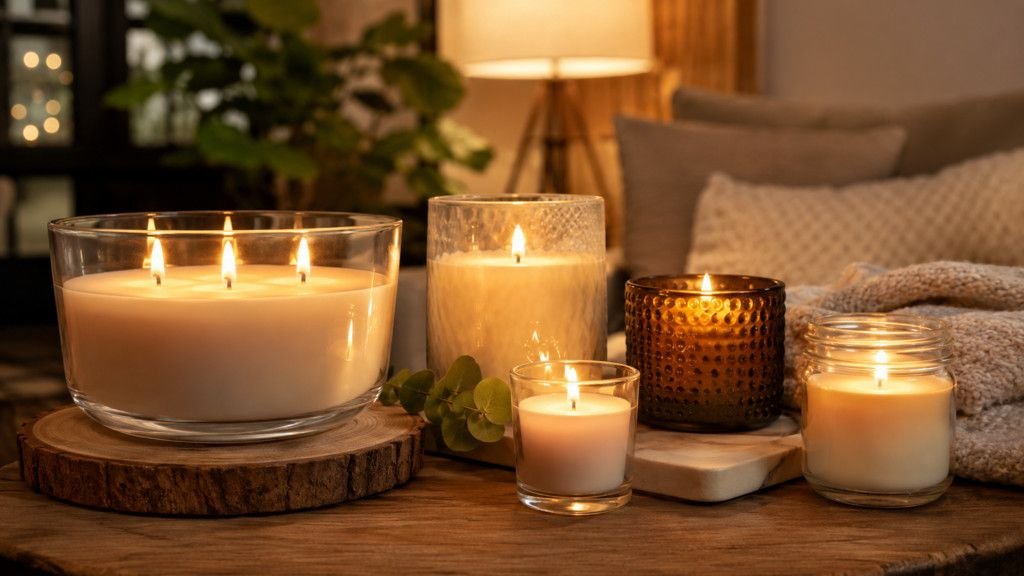
Candles have long been a popular way to add fragrance, warmth, and ambiance to a home. Whether used to create a relaxing atmosphere, complement seasonal décor, or simply make a space feel more inviting, scented candles remain a favorite choice among homeowners. However, with so many options available, choosing the right candle can be challenging. One of the most common decisions consumers face is whether to purchase a 3 wick candle or opt for other types of scented candles.
The choice may seem straightforward at first, but several factors can influence which option is best for a particular home. Room size, fragrance strength, burn time, cost, maintenance, and environmental considerations all play a role. Understanding these factors can help consumers make informed decisions that align with their preferences and lifestyle needs.
Just as people carefully evaluate options for activities such as online fundraising or selecting products for candy bar fundraisers, choosing the right candle involves weighing benefits and trade-offs. What works well in one environment may not necessarily be the best solution in another.
Understanding Different Types of Scented Candles
Before comparing options, it is helpful to understand what distinguishes a 3 wick candle from other scented candles.
A traditional scented candle typically contains one wick positioned in the center of the wax container. These candles come in various sizes and fragrance profiles and are often designed for smaller spaces or more subtle scent distribution.
A 3 wick candle, as the name suggests, contains three evenly spaced wicks. This design allows a larger portion of the wax surface to melt simultaneously, creating a broader melt pool and potentially increasing fragrance release throughout a room.
While both options serve the same basic purpose, their performance characteristics can differ significantly.
Fragrance Throw and Room Coverage
One of the most important considerations when selecting candles is fragrance throw, which refers to how effectively a candle distributes its scent throughout a space.
A 3 wick candle is often chosen for larger rooms because multiple flames generate more heat, helping fragrance oils disperse more quickly and evenly. Open-concept living areas, family rooms, and large bedrooms can often benefit from this enhanced scent distribution.
On the other hand, traditional scented candles may be more suitable for smaller spaces such as bathrooms, home offices, reading nooks, or compact bedrooms. In these environments, a strong fragrance can sometimes become overwhelming, making a single-wick option a more balanced choice.
The challenge lies in matching candle strength to room size. A candle that is too powerful for a small room may create an unpleasant experience, while one that is too mild may struggle to provide noticeable fragrance in a larger space.
Burn Performance and Heat Output
The number of wicks directly affects how a candle burns.
Because a 3 wick candle generates more heat, it typically melts wax more quickly than a single-wick alternative. This can lead to a more consistent melt pool and reduce the likelihood of tunneling, a common issue where wax burns down the center while leaving unused wax around the edges.
However, increased heat also means that wax may be consumed at a faster rate. While users may enjoy stronger fragrance output, they may also find that the candle requires replacement sooner than expected.
Traditional scented candles generally burn more slowly, allowing users to enjoy them over a longer period. Although they may require more attention during initial burns to prevent tunneling, many consumers appreciate their extended lifespan.
Balancing fragrance intensity with burn duration is often one of the primary trade-offs when choosing between these candle types.
Cost Considerations
Budget is another important factor.
A 3 wick candle typically costs more than a comparable single-wick product because it contains additional materials, including extra wicks and often a larger volume of wax.
For some consumers, the higher price is justified by stronger fragrance performance and improved room coverage. Others may find greater value in purchasing multiple smaller scented candles that can be used in different areas of the home.
The decision often depends on individual priorities. Those seeking a statement candle for a primary living space may appreciate the benefits of a larger multi-wick design. Consumers who enjoy rotating fragrances throughout their homes may prefer several smaller options that offer greater variety.
Neither approach is inherently better; the ideal choice depends on usage patterns and personal preferences.
Aesthetic Appeal and Home Décor
Candles contribute not only fragrance but also visual appeal.
Many homeowners use candles as decorative elements that enhance interior design. A 3 wick candle often features a larger vessel and a more prominent appearance, making it a focal point on coffee tables, dining tables, mantels, or kitchen islands.
The multiple flames can create a dramatic visual effect that enhances ambiance during gatherings, holidays, or quiet evenings at home.
Smaller scented candles, by contrast, offer flexibility. They can be placed throughout a room or distributed across multiple spaces to create a cohesive fragrance experience without dominating the décor.
Consumers should consider how candles fit into their overall design goals. A large centerpiece candle may complement some interiors, while smaller accents may better suit others.
Safety Considerations
Safety is an important aspect of candle ownership regardless of the type selected.
Because a 3 wick candle produces more heat and a larger flame area, users must ensure adequate clearance from flammable materials. Containers can become hotter during use, making placement particularly important.
Traditional scented candles generally generate less overall heat, although they still require proper supervision and adherence to manufacturer guidelines.
In both cases, users should trim wicks regularly, avoid burning candles for excessive periods, and keep them away from drafts, pets, and children.
The safest candle is one that is used responsibly and maintained according to recommended practices.
Fragrance Variety and Seasonal Flexibility
Many candle enthusiasts enjoy changing fragrances throughout the year.
Spring may inspire floral scents, summer often brings citrus and tropical notes, autumn introduces warm spices, and winter frequently features pine, vanilla, or festive blends.
Consumers who enjoy exploring many fragrance families may find traditional scented candles appealing because smaller sizes allow for easier experimentation. Purchasing several fragrances may provide more variety without requiring a significant investment in large-format products.
A 3 wick candle may encourage a longer commitment to a particular fragrance due to its size and stronger performance. This can be advantageous when users discover a scent they genuinely love but less desirable when preferences change frequently.
Choosing between variety and longevity often comes down to individual fragrance habits.
Environmental Impact and Sustainability
Environmental considerations are becoming increasingly important for many consumers.
The overall sustainability of a candle depends on several factors, including wax type, wick materials, fragrance ingredients, packaging, and manufacturing practices.
A larger 3 wick candle may use more raw materials in a single product. However, if it effectively replaces multiple smaller candles, overall consumption patterns may remain similar.
Some consumers prioritize soy-based or plant-based waxes, recyclable containers, reusable vessels, and responsibly sourced ingredients. These factors can sometimes have a greater environmental impact than the number of wicks alone.
When evaluating scented candles, buyers should consider the full lifecycle of the product rather than focusing solely on size or design.
Entertaining and Social Gatherings
The intended use of a candle can also influence purchasing decisions.
For entertaining guests, a 3 wick candle often performs well because it can fill larger spaces with fragrance while creating a welcoming visual atmosphere. The broader scent distribution may help establish a memorable environment for gatherings, celebrations, or holiday events.
In contrast, traditional scented candles may be more appropriate for personal relaxation, reading, meditation, or creating subtle fragrance zones throughout the home.
Consumers should think about when and where they plan to use candles most frequently. Different occasions may call for different solutions.
Maintenance and Candle Care
Proper candle care affects performance regardless of candle type.
A 3 wick candle requires users to maintain all three wicks evenly. Failure to trim them consistently can lead to uneven burning, excessive soot, or larger-than-intended flames.
Single-wick scented candles generally involve simpler maintenance, although they still benefit from regular wick trimming and proper burn times.
The maintenance difference is relatively minor, but consumers who prefer a low-maintenance experience may appreciate the simplicity of traditional designs.
Finding the Right Balance
Choosing between a 3 wick candle and other scented candles ultimately involves balancing multiple priorities.
A 3 wick candle often excels in fragrance strength, room coverage, ambiance, and visual impact. It can be an excellent choice for larger spaces, entertaining, and consumers who prefer bold fragrance experiences.
Traditional scented candles offer advantages in flexibility, affordability, fragrance variety, and slower burn rates. They may be particularly well-suited for smaller rooms, personal spaces, and users who enjoy frequently changing scents.
Neither option represents a universal solution. The ideal choice depends on the size of the space, desired fragrance intensity, budget, aesthetic preferences, and intended use.
Wrapping Up
Selecting the right candle for a home involves more than simply choosing a favorite scent. Factors such as room size, fragrance throw, burn performance, cost, safety, sustainability, and décor all contribute to the decision-making process.
A 3 wick candle can provide impressive fragrance distribution and a striking visual presence, making it a popular option for larger living spaces. Meanwhile, traditional scented candles continue to offer versatility, affordability, and flexibility that many consumers appreciate.
By carefully considering these factors and understanding the trade-offs involved, homeowners can choose the candle option that best supports their lifestyle, enhances their environment, and creates the atmosphere they want to enjoy throughout their home.