



Trade shows and industry conventions have come a long way from just exhibition floors. Now they’re becoming more of a hybrid convention where face-to-face and digital interactions converge. Many event strategists and businesses today are adopting a more immersive approach to booth design, with simultaneous online participation platforms. This allows them to reach more people, be more visible, and physically connect with more people beyond the convention hall. With the advent of virtual trade show exhibits, how the performance of such events is measured has changed a lot. And now the success of your trade show or business events is no longer solely reliant on foot traffic.
The exhibition approach of today demands more comprehensive knowledge of the behavior of visitors, how visitors engage with an exhibition, how to interact with the brand, and the impact of an exhibition on an audience, both on the physical site and in the digital sphere. As organizations increasingly allocate resources to experiential marketing and more people participate in hybrid events, it is critical to have meaningful performance metrics to assess ROI, refine event plans, and build stronger long-term customer relationships.
Five Ways to Measure Success Across Physical and Virtual Trade Show Experiences
1. Evaluate Visitor Engagement Across Multiple Touchpoints
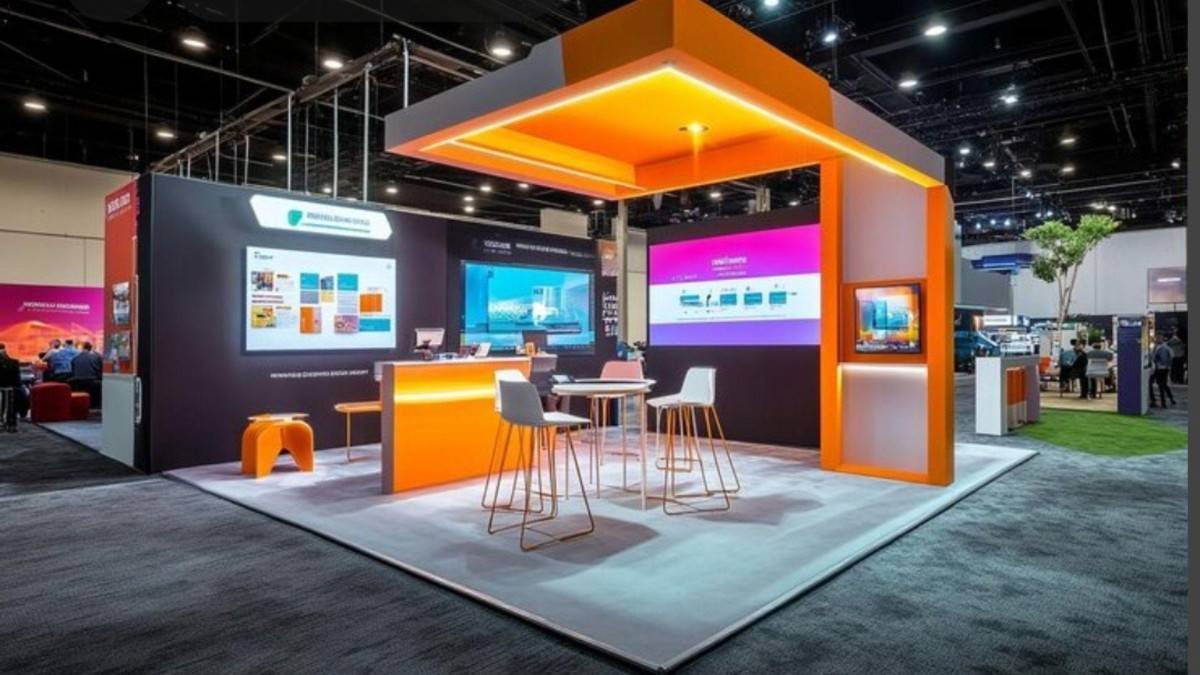
Modern custom trade show exhibits are designed to be interactive, engaging, and immersive, allowing visitors to experience the event and connect with the brands. Attendance-tracking data helps measure exhibit performance and public interest when evaluating these areas.
Physical engagement metrics can include the number of people who have visited a booth, how long they spend there, whether they participate in product demonstrations, attend meetings, or fill out lead capture forms, etc. These signs will give businesses an idea of the exhibit’s effectiveness in capturing and holding the audience’s attention at the event.
Virtual engagement also introduces a whole new set of metrics, including downloads, webinar participation, visits to virtual booths, and chats. Using physical and digital engagement data together provides a better understanding of audience behavior and the impact of the events.
2. Measure Brand Visibility Beyond Booth Attendance
The point of getting people into the exhibit hall is not the only way to be successful. Effective convention strategies create greater brand visibility within the convention ecosystem, from social media to event platforms, digital networking, and subsequent conversations.
The visibility of the exhibit may be measured by visitor impressions, photo opportunities, signage exposure, and interaction with large-scale visual elements. Unique booth designs can create organic social-sharing opportunities that extend their reach beyond the booth floor.
Virtual environments also enhance visibility via online presentations, virtual exhibit browsing, and content sharing. By listening to the conversation, measuring engagement, and counting the number of participants in social media discussions, companies can gauge whether the brand is connecting with them in hybrid event environments.
3. Monitor the Lead Quality instead of Lead Quantity Alone
While the size of the convention is important, the quality of the leads and the actual conversion rate far outweigh the actual number of leads generated as important factors for success in the long term. Successful tracking strategies assess the value of what people do when they attend and how it will lead to opportunities in the future.
Physically at the booth, interactions can be measured at the point of the meeting, such as the depth of discussion, participation by decision-makers, level of interest in the product, and subsequent activity following the meeting. The quality of the conversation can be a better predictor of future conversion than the number of visitors, especially if they are bigger but not qualified.
Virtual exhibits also provide sophisticated tracking features, such as attendee behavior analytics, content consumption, and the history of interactions. These findings enable them to determine which are the top prospects and optimize post-event nurturing efforts.
4. Analyze Experience Design Performance
Experience design is a key factor for both physical and virtual exhibits to be memorable and engaging. Finding out what aspects of the design are most effective for the audience is useful for planning future events.
For physical environments, indicators of success can be traffic flow efficiency, dwell time, interaction, or response to experiential elements like demonstrations, lights, or interactive elements.
The same analytics—like navigation behavior, click-through patterns, content engagement time, and pathways of user interactions—are available in virtual environments. These insights can be used to improve the layout strategy, messaging structure, and engagement tactics for future exhibitions.
5. Measure Long-Term Post-Event Impact
The success of a trade show strategy often continues long after the event concludes. Post-event results provide evidence of the value of the investments that were made for the exhibitions and how they supported the brand’s long-term development and growth.
Post-event metrics like follow-up meeting completion rates, sales pipeline advancement, customer retention, partnership opportunities, and engagement rates offer insights into the impact of events beyond the initial event. Monitoring these results enables organizations to link the impacts of the exhibitions to the overall business goals.
In combination with the in-person experience, hybrid trade shows also offer the benefit of long-term content value, with recorded presentations, downloadable materials, and virtual engagement continuing long after the event concludes. This visibility helps extend the value of an event’s impact long after the convention’s over.
End Point
To be successful in modern trade shows, it’s essential to have familiarity with performance in both the real and virtual worlds. Businesses can refine their event strategies by tracking engagement, analyzing visibility, evaluating lead quality, assessing experience design, and measuring impact over time. Measuring meaningful outcomes across various audience touchpoints is crucial for maximizing brand visibility, building engagement, and optimizing an event’s ROI, as hybrid conventions continue to drive the evolution of the exhibition landscape.