


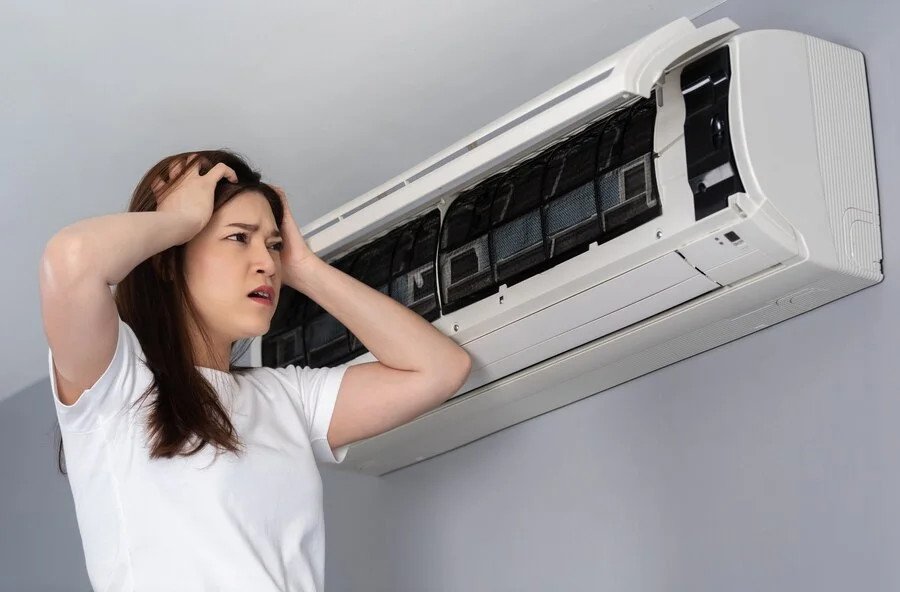
A rattling noise from an air conditioner is always something loose — a metal panel, a screw, a fan blade, a piece of debris, or a compressor mount — that is vibrating against another surface at the frequency of the fan or the compressor. The rattle pulses with the equipment’s operating speed: faster when the fan is on high, slower on low, and stopping completely when the unit cycles off. Unlike a squeal (bearings), a bang (delayed ignition or compressor failure), or a grind (metal-on-metal destruction), a rattle is almost never dangerous to the equipment. It is annoying, it is loud, and it will not destroy the AC. But it will not go away on its own, and the loose component that is rattling today will loosen further and may cause damage if it comes completely free.
The most effective way to find a rattle is to press on surfaces while the unit is running. Press on the top grille of the outdoor condenser. Press on each side panel. Press on the front grille of a window AC. Press on the air handler cabinet inside. Press on the ductwork. The component that stops rattling when you press on it is the source. The technique — mechanical damping — identifies the source in under a minute without opening any panels. Once the source is found, the fix is tightening a screw, removing debris, or adding a piece of foam weatherstripping between the vibrating surfaces.
1. Loose Outdoor Condenser Panels: The Most Common Rattle
The outdoor condenser unit is a sheet metal box with removable panels for service access. Each panel is secured by a handful of sheet metal screws. Over years of vibration from the compressor and the condenser fan, those screws loosen. A panel that is tight in the spring is rattling by August because the metal has been vibrating for 1,500 hours of cooling runtime. The rattle is worse at the fan’s resonant frequency — typically when the unit first starts and the fan ramps up through a speed that matches the panel’s natural vibration frequency.
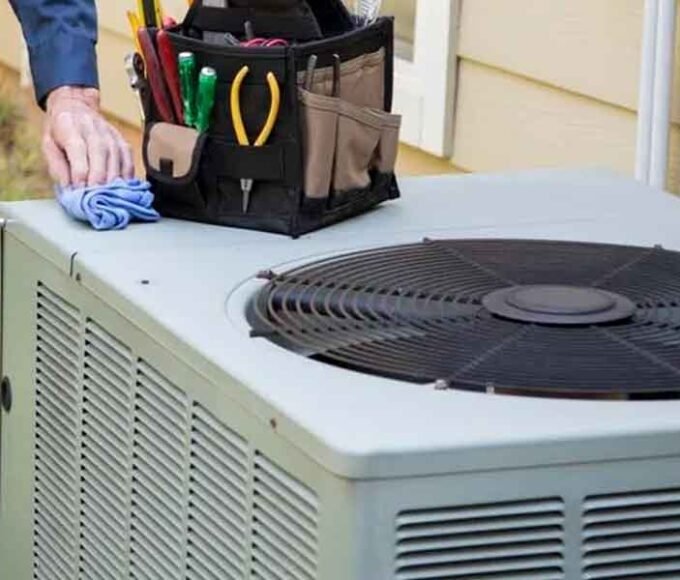
With the unit running, press firmly on each side panel, the top grille, and the electrical disconnect box. The panel that stops rattling when pressed needs its screws tightened. Use a ¼-inch or ⁵⁄₁₆-inch nut driver — do not overtighten; sheet metal screws strip easily. If a screw hole has already stripped out and the screw turns without tightening, either replace it with the next larger diameter sheet metal screw, or drill a new hole ½ inch away from the stripped hole and install the original screw there. A stripped screw hole is the cost of doing business with sheet metal. The panel is not defective. The screw hole is.
The magnet trick for intermittent rattles: If the rattle comes and goes and you cannot catch it with the press test, place a small refrigerator magnet on each accessible panel. The magnet adds mass and changes the panel’s resonant frequency. If the rattle stops with the magnet in place — and returns when you remove it — that panel is the source. Tighten its screws or add a piece of foam weatherstripping between the panel and the cabinet frame.
2. Debris Inside the Outdoor Unit
A stick, a pine cone, a piece of mulch, or a plastic bag that has blown or been sucked into the outdoor condenser unit will rattle against the spinning fan blades or the compressor. The rattle is rhythmic — a tick or a thump with every rotation of the fan — and it is loudest near the top of the unit where the fan is located.
Turn off power at the disconnect box near the outdoor unit. Remove the screws securing the top grille or the fan guard and lift it off. Look inside with a flashlight. Remove any visible debris with a gloved hand or a grabber tool. Check the bottom of the unit — debris often falls through the fan area and collects on the base pan. Spin the fan blade by hand and listen for scraping. If the blade scrapes the fan shroud, the blade is bent or the motor shaft is out of alignment. A bent blade can sometimes be gently straightened by hand. A blade with a crack at the hub must be replaced ($30 to $60).
3. Window AC Rattles: Front Grille and Chassis Vibration
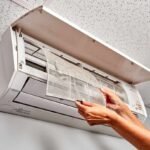
A window AC that rattles has a loose front plastic grille, a loose chassis mounting bracket, or the unit is vibrating against the window frame. The front grille is the most common source: it snaps onto the chassis with plastic clips that loosen over time and rattle against the metal frame. Press on the grille while the unit is running. If the rattle stops, snap the grille back into its retaining clips or add a piece of adhesive-backed foam weatherstripping between the grille and the chassis where the vibration is worst.
The unit itself can rattle against the window frame if the mounting brackets have loosened or the window sash has shifted. Tighten the mounting bracket screws. Add foam weatherstripping between the unit’s side curtains and the window frame. A window AC that rattles against the glass is the loudest rattle in residential HVAC — the glass acts as a sounding board, amplifying the vibration into the room. Foam between the unit and the glass eliminates the sound completely.
4. Loose Compressor Isolation Mounts
The compressor inside the outdoor condenser unit is mounted on rubber isolation grommets — small rubber feet that absorb the compressor’s normal vibration and prevent it from being transmitted into the metal housing. When those grommets harden with age, crack, or collapse, the compressor bolt contacts the metal base pan directly. The compressor’s vibration is now transmitted into the entire outdoor unit, and every loose panel rattles in sympathy.
Compressor mount rattles have a distinctive sound: a low-frequency vibration that you feel as much as you hear. Pressing on the top of the outdoor unit reduces the sound slightly but does not eliminate it because the compressor itself is still vibrating. Replacing compressor isolation grommets requires recovering the refrigerant, unbolting the compressor, replacing the grommets, re-bolting the compressor, evacuating the system, and recharging — a $500 to $1,000 repair that is almost never worth doing on a residential unit over 10 years old. If the compressor mounts have failed and the unit is otherwise functional, the rattle is a cosmetic problem, not a mechanical one. The compressor will run for years with failed mounts. It will just be loud.
5. Ductwork or Register Rattles from the AC Airflow
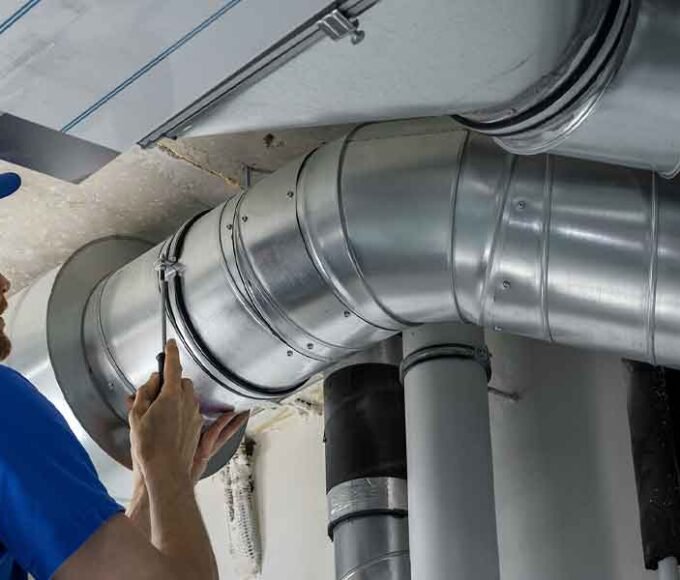
A rattle that seems to come from the walls or the ceiling when the AC runs is a loose duct joint, a loose register grille, or a damper blade that has come loose inside the duct. The airflow from the blower vibrates the loose component, and the sound travels through the ductwork, making it difficult to pinpoint from a single listening position.
Walk through the house while the AC blower is running. Listen at each supply register. A rattle from a specific register is either the register grille itself (tighten its screws) or a loose damper blade inside the duct behind the register (remove the grille, reach in, and tighten the damper’s wing nut or replace the damper). A rattle from the ductwork in the basement or attic requires walking along the accessible ducts while the blower runs, pressing on each joint. The joint that stops rattling when pressed needs its sheet metal screws tightened and a strip of aluminum foil tape across the seam.
6. Refrigerant Line Vibration Against the Wall
The refrigerant lines — the two copper pipes connecting the indoor evaporator coil to the outdoor condenser — carry vibrating refrigerant at the compressor’s operating frequency. Where those lines pass through a wall penetration, a floor joist, or a hole in the siding, they can vibrate against the surrounding material and produce a rattling or buzzing sound that travels along the line and into the house.
Go outside and find where the refrigerant lines exit the house near the outdoor unit. Grip the larger insulated suction line firmly in your hand while the unit is running. If the rattle inside the house stops or changes, the line is vibrating against the wall penetration. The fix is to slide a piece of foam pipe insulation or a rubber grommet into the gap between the refrigerant line and the wall opening. Do not use spray foam — it hardens and transmits vibration as effectively as wood. The material must be soft and rubbery to absorb the vibration. This is a $5 fix that takes 5 minutes.
When mechanical vibrations start affecting your home’s overall indoor comfort, addressing the source quickly helps maintain an efficient and quiet living environment. Homeowners dealing with persistent system noises can look for professional ac repair in Henderson to safely evaluate complex hardware components. Checking these issues early supports optimal airflow and protects cooling machinery from long-term wear.
FAQ: Common Questions About AC Rattling Noises
Why does my AC only rattle for the first few seconds after it starts?
The compressor draws its highest current at startup — three to five times its normal running current — and vibrates more intensely for the first 2 to 5 seconds before settling into its steady operating speed. A rattle that lasts only during startup is a panel, a mount, or a line that only vibrates at the startup frequency. The source is the same as a continuous rattle. The startup rattle is just harder to catch because it is over before you can press on panels to identify it. The magnet trick helps: place magnets on suspect panels, cycle the unit on, and see if the startup rattle disappears.
My indoor air handler rattles when the AC runs but not when the heat runs. Why?
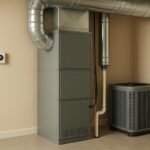
The blower speed for cooling is typically higher than the blower speed for heating. The higher speed produces more airflow and more vibration, and a panel or a component that is tight enough to remain silent at the lower heating speed rattles at the higher cooling speed. Check the air handler’s front panel screws, the filter access door, and the blower compartment panel. One of them is loose enough to rattle at the higher RPM.
Addressing internal airflow dynamics and structural vibrations requires a meticulous approach to ensure long-term comfort. For complex systems that continue to experience irregular noises despite basic troubleshooting, seeking assistance from experienced professionals like Essential Heating and Air can help restore peak operational efficiency. Timely interventions can protect delicate internal components from unnecessary wear and prevent costly repairs down the road.
Maintaining consistent indoor comfort depends heavily on a quiet, well-regulated environment. When standard system assessments fail to uncover the root cause of localized vibrations, coordinating an inspection with qualified experts for hvac in Brandon can help restore proper airflow balance. Securing reliable cooling infrastructure ensures that minor component issues are corrected before they impact daily utility performance.
Press, Find the Loose Part, and Tighten It
A rattling AC is the easiest noise to fix because the cause is always mechanical and almost always accessible: a loose panel, a piece of debris, a vibrating refrigerant line, or a loose register grille. Press on surfaces while the unit runs. The surface that stops rattling when you press it is the source. Tighten the screw, remove the debris, add the foam, or tighten the duct joint. The rattle stops immediately, and it costs nothing but the time to walk around the unit pressing on things.
If the press test finds nothing, the rattle is inside the compressor housing — a loose internal component — or inside the blower wheel — a piece of debris lodged between the blades. Both require a technician to open sealed components. But the overwhelming majority of AC rattles are loose panels, loose screws, and debris inside the outdoor unit. Your hand pressing on the top grille finds the source in 30 seconds. The screwdriver fixes it in 30 more.
While many minor operational sounds can be fixed with quick adjustments, persistent mechanical noise often requires a comprehensive inspection to prevent long-term wear. Homeowners seeking professional support can count on a skilled team like Krafft Service Corporation to safely evaluate hardware issues. Routine care helps maintain proper airflow balance and ensures your climate control setup operates quietly and efficiently.