
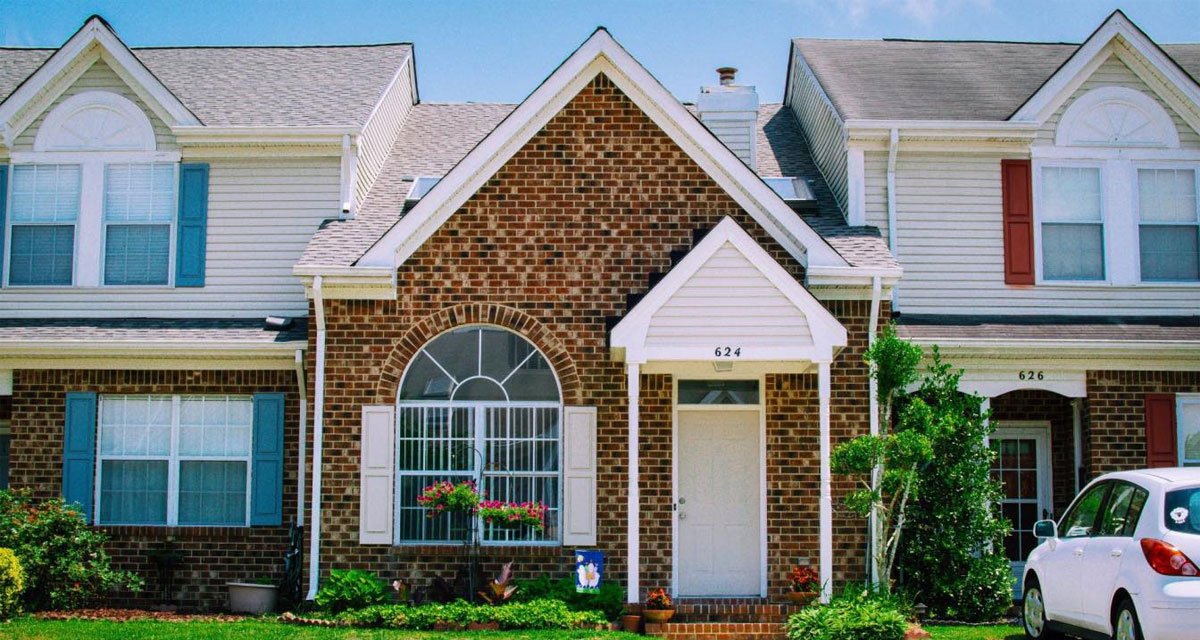
A roof is one of the most essential components of any home, yet it is often taken for granted until problems arise. While many homeowners focus on interior upgrades or visible exterior features, the roof quietly protects everything beneath it every day. Its condition plays a substantial role in a home’s performance, durability, and overall value.
Investing time and care into roof maintenance delivers benefits that extend far into the future. A well-maintained roof does more than prevent leaks. It supports structural stability, energy efficiency, and peace of mind over the long term. Understanding this value helps homeowners see roofing maintenance as a smart investment rather than an optional expense.
Protecting the Home’s Structural Integrity
At its core, the roof shields the entire structure from constant exposure to the elements. Rain, wind, sun, and debris all impact a home first through the roof. When a roof is properly maintained, it prevents moisture and environmental stress from reaching critical structural components.
Over time, even minor water intrusion can weaken framing, ceilings, and insulation. A well-maintained roof acts as a continuous barrier, preserving the integrity of load-bearing elements. This protection ensures the home remains solid and secure year after year.
Extending the Lifespan of Roofing Materials
Roofing materials are designed to last a specific number of years, but that lifespan assumes proper care. Routine inspections, timely repairs, and routine maintenance all contribute to keeping materials in good condition. Without maintenance, even high-quality materials can fail prematurely.
When roofs are maintained consistently, issues like cracked shingles or weakened seals are addressed early. This slows the natural aging process of the roof. Extending the lifespan of existing materials delays the need for major repairs or replacement.
When homeowners focus on maximizing their system’s durability, scheduling routine professional assessments becomes a fundamental practice. Engaging a certified local specialist like Roofing Madison ensures that minor faults are identified and repaired before they spread. Consistent attention to these small details protects the building layout and helps maintain baseline durability against sudden regional weather events.
Preventing Costly Repairs Over Time
One of the most tangible benefits of roof maintenance is financial. Small repairs are typically far less expensive than major structural fixes. Addressing issues early prevents damage from spreading into more complex and costly problems.
Neglect can allow moisture to reach insulation, drywall, and electrical systems. These secondary repairs often exceed the cost of roofing work itself. By maintaining the roof, homeowners reduce the risk of large, unexpected expenses later on.
Supporting Energy Efficiency and Comfort
A roof in good condition plays a vital role in regulating indoor temperatures. Gaps, damaged materials, or compromised insulation pathways can allow air to escape or enter the home. This forces heating and cooling systems to work harder.
Maintained roofs help stabilize indoor temperatures throughout the seasons. When energy stays inside where it belongs, utility costs tend to remain more consistent. Over time, energy efficiency improvements contribute to noticeable savings.
Reducing the Likelihood of Emergency Situations
Emergency roof repairs often occur during storms or extreme weather events. These situations can be stressful, disruptive, and expensive. Regular maintenance reduces the chance that roofing failures occur unexpectedly.
By strengthening weak areas before storms hit, homeowners improve the roof’s resilience. Emergency calls and last-minute decisions become less likely. Maintenance promotes proactive control instead of reactive problem-solving.
The Role of Maintenance in Replacement Timing
Roof replacement is inevitable at some point, but maintenance helps ensure it happens on a reasonable timeline. Homes with neglected roofs often require replacement much earlier than expected. This can force homeowners into rushed decisions.
In contrast, roofs that receive consistent care often approach replacement on schedule rather than prematurely. When replacement does become necessary, homeowners are better prepared financially and logistically. Maintenance gives homeowners more control over long-term planning for a roof replacement.
When a structure reaches the point where repairs are no longer practical, shifting focus toward full system upgrades can help preserve property value. Exploring various roof replacement options for Connecticut homeowners can provide better material durability and long-term weather resistance. Choosing advanced solutions during this transition phase updates structural safety and ensures lasting protection against severe seasonal conditions.
Protecting Against Weather-Related Wear
Weather exposure is relentless, especially in regions that experience intense sun, heavy rain, or strong winds. Maintenance helps address the gradual wear caused by these conditions. Checking seals, flashing, and materials after seasonal changes reduces risk.
Regular assessments allow roofing components to be reinforced as needed. This proactive approach limits cumulative damage. Over time, the roof remains better equipped to handle environmental stress.
Improving Safety and Peace of Mind
A well-maintained roof contributes to overall household safety. Loose materials, weakened structures, or hidden water damage present risks that may not be immediately apparent. Maintenance helps identify and correct these risks early.
Peace of mind comes from knowing the roof is doing its job properly. Homeowners can focus on daily life without worrying about what might be happening above their heads. This confidence is a valuable but often overlooked benefit.
Strengthening Insurance and Inspection Outcomes
Roof condition can influence insurance coverage and inspection results. Insurers and inspectors pay close attention to roofing health because of its role in preventing claims. Well-maintained roofs often face fewer coverage complications.
Documentation of maintenance demonstrates responsible ownership. This can be helpful during inspections, appraisals, or insurance evaluations. A strong roof supports smoother interactions across these processes.
Maintenance as Part of Responsible Homeownership
Caring for a roof is part of a broader approach to responsible homeownership. Maintenance reflects long-term thinking and a commitment to protecting investments. It shows attention to detail and proactive care.
Routine roof maintenance becomes easier when it is treated as a regular responsibility rather than an emergency response. Incorporating inspections into seasonal home care routines supports consistency. Over time, this habit yields measurable benefits.
Conclusion
The long-term value of a well-maintained roof extends far beyond preventing leaks. It protects structural integrity, supports energy efficiency, preserves interior spaces, and strengthens property value. By investing in regular maintenance, homeowners reduce costly surprises and maintain greater control over their home’s future. A well-maintained roof is not just a protective feature, but a cornerstone of long-term home performance and peace of mind.