


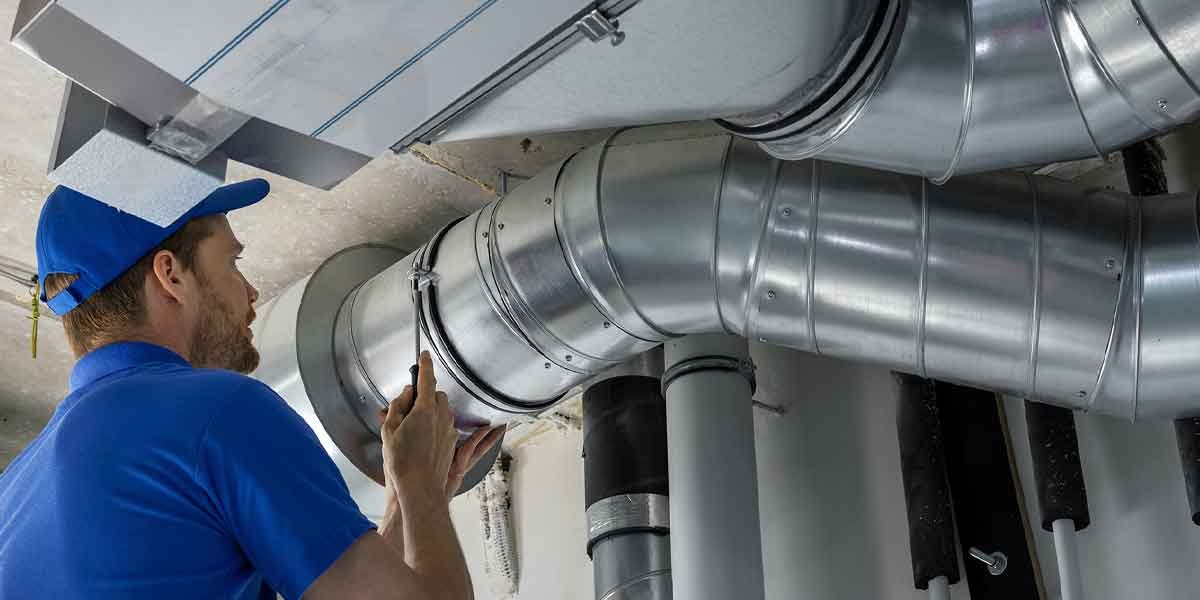
Regular HVAC maintenance delivers five real benefits, each tied to a mechanism: lower energy bills from a clean coil and tight connections, fewer breakdowns because worn parts are caught early, longer equipment life from reduced strain, better indoor air from a clean filter and coil, and priority service during peak demand. The measurable outcomes are a lower bill, fewer emergency calls, more years of service, and cleaner air, and each benefit has a limit that a maintenance plan cannot fix. The honest frame: maintenance prevents preventable failures, not all failures.
This benefits analysis covers a typical forced-air furnace, central air conditioner, or heat pump in the United States. How often to schedule maintenance, filter selection, and repair pricing stay out of scope here, handled by the other guides on this site. If you are weighing a maintenance plan against a pay-as-you-go approach, the list below and the plan section give you the numbers.
Maintenance is preventive, and repairs are reactionary. The benefits are real, and they are measurable, and they stop at the line where a visit cannot fix what age and neglect have already done.
The Five Benefits, Each With a Mechanism
Five benefits follow from five mechanisms: clean coils cut energy use, early detection cuts breakdowns, reduced strain extends life, clean filtration improves air, and plan membership buys priority scheduling. Each has a measurable outcome and a limit, and the list below puts all of it in one place. The honest part of the table is the limit column.
| Benefit | Mechanism | Measurable outcome | Limit |
|---|---|---|---|
| Lower energy bills | Clean coils and tight connections let the equipment move heat efficiently | A smaller bill after the visit, up to 30% when the system was dirty | Only if the equipment was actually dirty or loose; a clean system saves little |
| Fewer breakdowns | Worn parts and leaks are caught in the seasonal inspection | Fewer emergency calls, a shorter repair log | Cannot prevent random failures or a part that fails a week later |
| Longer equipment life | Less strain on the compressor and blower | More years before the replacement conversation | Age still caps everything; maintenance extends life, it does not stop time |
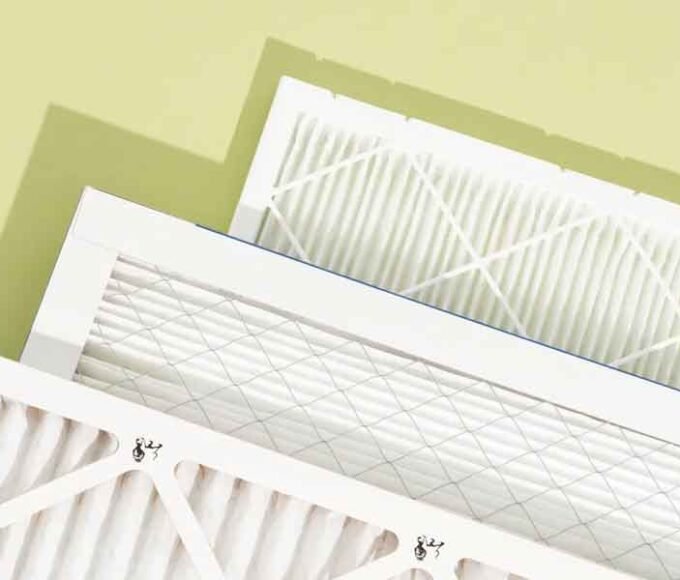
| Better indoor air | Clean filter and coil catch dust instead of recirculating it | Cleaner filter at the next change, less dust on registers | A filter cannot fix mold in the ducts or a pollutant source in the home |
| Priority service | Plan membership moves you ahead in peak season | Same-day response when demand is highest | Depends on the plan terms and the company’s actual schedule |
The pattern across all five rows is the same: each benefit works when the mechanism applies, and each has a line where it stops. That is what makes the honest version useful, because a plan that promises all five unconditionally is selling something maintenance cannot deliver.
Energy: What Maintenance Actually Saves
Maintenance saves energy by restoring the equipment to design condition: a clean evaporator coil transfers heat properly, a clean condenser coil sheds it, and tightened connections stop wasted power. ENERGY STAR context puts the potential at up to 30% on the bill, and the real number depends on how dirty the equipment was. A system that was already clean shows a small change.
The honest reading is that a system running with a clogged filter and a dirty coil pays the biggest dividend from a visit, while a system that was already clean shows a small bill change. The verification is the bill itself: compare the cooling-season or heating-season bills before and after the visit, and the change tells you whether the savings applied to your system.
The energy benefit also compounds with the filter habit. A filter changed on schedule keeps the coil cleaner between visits, which is why the maintenance schedule and the filter choice are two halves of the same energy story.
Proper airflow and cooling capacity are central to keeping monthly operational expenses predictable during warmer months. Homeowners evaluating their cooling system setup or looking to address efficiency losses can review options at https://www.beaverheatingandair.com/services/air-conditioning to better manage system load and support consistent temperature control throughout the living space.
Reliability and Equipment Life: The Preventive Math
Maintenance cuts breakdowns by catching worn parts in the seasonal inspection, and it extends life by keeping the equipment running within design limits. The community’s one-line summary of the whole argument is the clearest version.
“It’s not just maintenance it’s PREVENTATIVE maintenance.”
– r/askHVAC, August 2026 (18 upvotes)
The preventive math makes the distinction concrete. A maintenance visit runs about $250, and an average repair runs about $350, but the spread that matters is at the edges: a capacitor caught early is a $400 fix, while the same system left to fail can turn into a compressor replacement near $2,500. That gap, not the average, is why the inspection is the valuable part of the visit.
When unexpected mechanical issues happen despite routine checks, relying on prompt air conditioner repair helps address specific component failures before they cause further damage to the system. Quick intervention limits stress on surrounding parts and prevents minor electrical or airflow problems from turning into costlier cooling failures during severe weather.
Routine inspections also help homeowners address minor electrical wear before it leads to system failure during peak heating or cooling seasons. Working with experienced technicians like Caveman Heating & Air Conditioning ensures that critical components are properly evaluated, helping to maintain consistent indoor comfort and prevent unexpected service disruptions throughout the year.
| Path | Typical cost | What it buys |
|---|---|---|
| Preventive visit | About $250 | Inspection, cleaning, and early detection |
| Caught-early repair | About $400 (capacitor) | A small part fixed before it fails |
| Reactionary repair | About $2,500 (compressor) | The same system left to fail completely |
The reliability benefit has a hard limit: it reduces failures, it does not eliminate them, and a part can fail the week after a clean bill of health. When a repair does happen, the ac repair how much does it cost guide prices the catch-up, which is the honest companion to the preventive claim.
Air Quality and Comfort: The Measurable Side
Maintenance improves indoor air by cleaning the two places dust collects, the filter and the coil, and comfort improves because a system moving the right airflow holds temperature evenly. The measurable side is the filter load at the next change and the dust on registers, and the American Lung Association’s indoor air pollutants guide explains why the mechanism matters for breathing.
The limit is the same one from the benefits table: a clean filter and coil address dust and particles moving through the equipment, and they do not address a mold problem in the ductwork or a pollutant source in the home. The verification for this benefit is visual and simple, a filter that stays clean longer and registers that stay dust-free, which is why it is the easiest benefit to check yourself.
Comfort is the softer twin of the air-quality benefit.
Maintaining even temperatures across different living zones often requires looking beyond traditional ducted equipment. For homes with additions or specific room heating and cooling challenges, installing zoned solutions from https://www.absolutecomfortheatingcooling.com/services/ductless-ac can help balance overall airflow and temperature consistency while reducing energy waste.
A system with correct airflow and a working thermostat holds the set temperature without hot or cold spots, and the check is a thermometer in the problem rooms before and after the visit, which turns a feeling into a reading.
The Maintenance Plan Decision
The plan-versus-pay-as-you-go decision comes down to two numbers: what the plan costs per year, and what it includes beyond the visit itself. Community members report plans around $200-$220 a year for twice-yearly visits, with waived house-call fees and a parts discount, and the priority scheduling is the perk that matters in peak season. The comparison below weighs both paths.
The community thread on plan value splits honestly. One member calls the $200/year plan worth it for the six-month visits and waived fees, another says the $220 priority scheduling is the reason, and a skeptic warns that some plans are a pricing strategy from investor-owned companies. The read is the same as the benefits table: a plan is worth its cost when the visits are real, the perks apply to you, and the company is one you would call anyway.
Refrigerant work stays with EPA-certified technicians under the EPA’s refrigerant safety rules, so a maintenance visit that touches the sealed circuit is professional work by definition, which is one more reason the plan’s real inspection value is the part a homeowner cannot DIY.
HVAC Maintenance Benefits FAQ
What is the $5,000 rule for HVAC systems?
The $5,000 rule multiplies the equipment’s age by the repair estimate, and if that figure exceeds $5,000, replacement tends to make more sense than another repair. Maintenance delays the day that math arrives.
Is an HVAC maintenance program worth it?
A plan is worth it when the visits are real and the perks apply: community-reported plans around $200-$220 a year include twice-yearly visits, waived fees, and parts discounts. The value shows up as fewer emergencies and priority scheduling in peak season, not as a guarantee.
Is HVAC actually a good career?
HVAC is a stable trade with steady demand and solid pay, and it is one of the careers tied to homes that cannot be outsourced. The question belongs to the career guides, not the maintenance decision, but the demand is real.
What does HVAC maintenance include?
A professional visit includes thermostat checks, electrical connections, coil cleaning, drain line inspection, refrigerant level checks, and furnace-side work like heat exchanger inspection and carbon monoxide testing. The DIY side is the filter, the vents, and the outdoor unit clearance.
Whatever the plan costs, the benefits table is the same, and the three checks above measure whether they apply to your home.
Check the bill, the repair log, and the filter before you judge a plan, because those three measure the benefits. That is what hvac maintenance benefits look like in practice, and it beats any marketing line.