



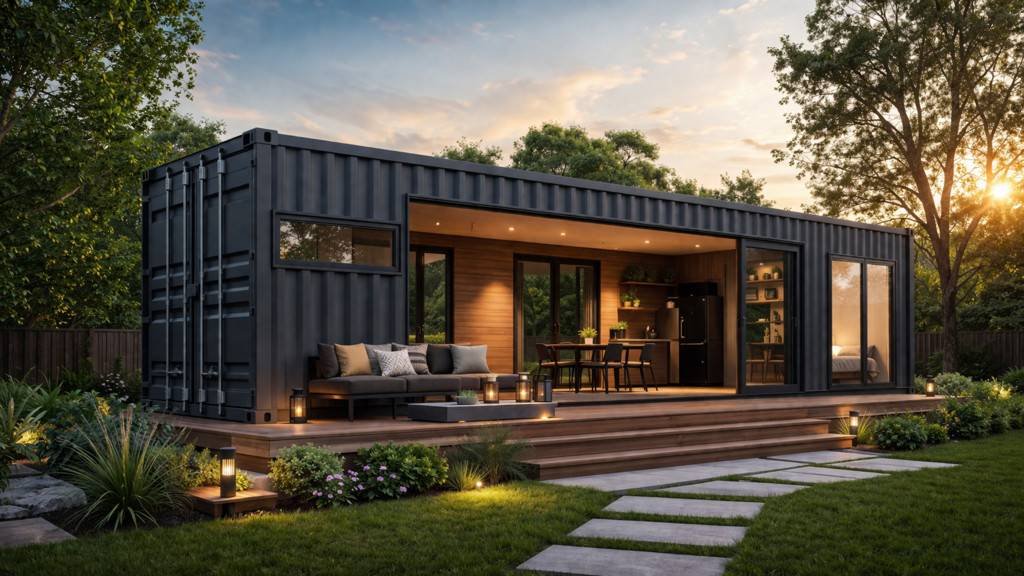
The idea of transforming industrial structures into livable, expressive spaces has steadily moved from niche experimentation to a mainstream lifestyle choice. What was once a purely functional steel unit used in logistics is now being reimagined as a flexible solution for modern living, working, and creative expression. Whether it is a backyard studio, a minimalist home, or a hybrid live-work space, the evolution of container-based design reflects broader shifts in how people think about space, affordability, and sustainability.
At the center of this trend is the growing interest in repurposing a conex box or a 40 ft shipping container into something far more personal than its original purpose. This shift represents not just a design movement, but a lifestyle transformation—one that prioritizes adaptability, efficiency, and intentional living.
The Shift from Utility to Lifestyle
Shipping containers were originally engineered for durability, uniformity, and global transport efficiency. Their standardized dimensions and rugged steel construction made them ideal for stacking, moving, and protecting goods across long distances. However, these same characteristics—strength, modularity, and availability—have made them attractive for architectural reuse.
In recent years, changing economic and social conditions have encouraged people to rethink traditional housing and workspace models. Rising real estate costs, urban density challenges, and the growth of remote work have all contributed to the appeal of alternative structures. Containers, once overlooked, now offer a practical foundation for creative living environments.
The transformation from storage unit to lifestyle asset is not just about aesthetics. It reflects a broader desire for control over one’s environment, reduced dependency on conventional housing systems, and the ability to customize space according to individual needs.
Design Possibilities and Creative Expression
One of the most compelling aspects of container-based living is its versatility. A single unit can be adapted into a wide range of functional spaces, including:
- Compact homes or guest houses
- Backyard offices or studios
- Retail pop-ups or cafes
- Fitness or wellness spaces
- Art studios or workshops
The rectangular shape and open interior provide a blank canvas for design. With the right modifications, these structures can be transformed into visually striking and highly functional environments.
Design choices often reflect personal priorities. Some individuals focus on minimalism, creating clean, uncluttered interiors that emphasize simplicity and efficiency. Others lean toward bold architectural statements, incorporating large glass panels, rooftop decks, or multi-unit configurations to create dynamic living spaces.
However, this flexibility also introduces complexity. Every design decision—whether related to layout, materials, or finishes—must balance aesthetics with practicality.
Key Factors That Influence Container-Based Living
Designing a lifestyle around a repurposed container involves several interconnected factors. Understanding these elements is essential for making informed decisions.
1. Structural Integrity and Modification
Containers are built to withstand heavy loads and harsh conditions, but modifying them requires careful planning. Cutting openings for doors, windows, or ventilation can weaken the structure if not properly reinforced.
This creates a trade-off between openness and stability. Large windows and open-plan layouts enhance comfort and visual appeal, but they require additional structural support, which can increase costs and complexity.
2. Insulation and Climate Control
Steel is an excellent conductor of heat, which means containers can become extremely hot in summer and cold in winter. Proper insulation is critical for maintaining a comfortable indoor environment.
There are several insulation options, including spray foam, rigid panels, and natural materials. Each comes with its own advantages and limitations. For example, spray foam offers excellent thermal performance but can be more expensive, while eco-friendly materials may be less effective in extreme climates.
Balancing comfort, cost, and environmental impact is a key consideration in this area.
3. Space Optimization
A standard container offers a limited footprint, which makes efficient use of space essential. Designing for functionality often involves multi-purpose furniture, vertical storage solutions, and open layouts.
The challenge lies in achieving both practicality and comfort. Over-optimizing space can lead to cramped or overly utilitarian interiors, while prioritizing comfort may reduce usable storage or workspace.
4. Utilities and Infrastructure
Integrating plumbing, electricity, and ventilation systems into a container structure requires careful planning. Unlike traditional buildings, these units are not initially designed for residential utilities.
This creates a trade-off between convenience and complexity. Off-grid solutions, such as solar panels and composting toilets, offer independence and sustainability but may require lifestyle adjustments. On-grid connections provide familiarity and ease of use but can increase installation costs and regulatory requirements.
5. Aesthetic and Lifestyle Alignment
Designing a container space is as much about lifestyle as it is about structure. The final outcome should reflect how the space will be used on a daily basis.
For example, a remote worker may prioritize natural light and ergonomic design, while a creative professional might focus on open space and flexibility. Aligning design choices with lifestyle needs ensures that the space remains functional and enjoyable over time.
Trade-Offs in Container-Based Design
Every design decision involves trade-offs, and container living is no exception. Understanding these compromises is essential for achieving a balanced outcome.
Cost vs Customization
One of the main appeals of container structures is their perceived affordability. However, extensive modifications can significantly increase costs. Custom features such as large windows, high-end finishes, or complex layouts can quickly approach the cost of traditional construction.
Choosing where to invest and where to simplify is a critical part of the process.
Mobility vs Permanence
Containers are inherently portable, which makes them attractive for those seeking flexibility. However, once heavily modified and connected to utilities, relocating them becomes more difficult.
This creates a tension between mobility and stability. Some users prefer lightweight, modular designs that can be moved easily, while others opt for permanent installations that offer greater comfort and durability.
Sustainability vs Practicality
Repurposing containers is often associated with sustainability, as it involves reusing existing materials. However, the environmental impact depends on several factors, including transportation, insulation materials, and energy use.
Achieving a truly sustainable design requires careful consideration of the entire lifecycle of the structure, not just its origin.
Minimalism vs Comfort
Container living often aligns with minimalist principles, encouraging reduced consumption and simplified living. While this can be beneficial, it may also require adjustments in lifestyle.
Balancing simplicity with comfort is an ongoing process. The goal is to create a space that feels both efficient and livable, without sacrificing essential needs.
Challenges in Adopting a Container-Based Lifestyle
Despite its many advantages, container-based living comes with challenges that should not be overlooked.
Regulatory and Zoning Issues
Local building codes and zoning regulations can impact the feasibility of container projects. Some areas may have restrictions on non-traditional structures, while others require specific permits and inspections.
Navigating these regulations can be time-consuming and may influence design decisions.
Long-Term Durability
While containers are built for durability, they are not immune to wear and tear. Exposure to moisture, temperature fluctuations, and environmental conditions can lead to corrosion or structural issues over time.
Regular maintenance and protective treatments are essential for preserving the integrity of the structure.
Perception and Resale Value
Container homes and spaces are still relatively unconventional, which can affect their perception in the market. This may influence resale value or limit buyer interest in certain areas.
However, as the trend becomes more widely accepted, these concerns are gradually diminishing.
The Broader Impact of Container Living
Designing a lifestyle around a container structure has implications beyond individual use. It reflects broader changes in how people approach housing, consumption, and environmental responsibility.
Urban Development and Space Efficiency
In densely populated areas, container-based structures offer a way to maximize limited space. They can be used for temporary housing, pop-up businesses, or community projects, contributing to more flexible urban environments.
Environmental Considerations
By repurposing existing materials, container projects can reduce the demand for new construction resources. When combined with energy-efficient systems and sustainable materials, they can contribute to a lower environmental footprint.
Cultural and Design Innovation
Container architecture encourages experimentation and creativity. It challenges traditional design norms and opens up new possibilities for how spaces are conceived and used.
Making Informed Decisions
Designing a lifestyle around a container structure requires thoughtful planning and realistic expectations. It is not simply about converting a steel box into a living space, but about creating an environment that supports daily life, personal goals, and long-term sustainability.
Key considerations include:
- Defining the primary purpose of the space
- Balancing budget with design ambitions
- Understanding local regulations and requirements
- Planning for long-term maintenance and usability
By carefully evaluating these factors, individuals can create spaces that are both functional and meaningful.
Wrapping Up
The transformation of containers from industrial storage units into lifestyle-driven spaces represents a significant shift in modern living. It highlights the growing demand for flexible, affordable, and personalized environments that adapt to changing needs.
While the concept offers numerous advantages, it also involves trade-offs and challenges that must be carefully managed. From structural modifications to climate control and regulatory considerations, each decision plays a role in shaping the final outcome.
Ultimately, designing a lifestyle around a container is about more than architecture. It is about redefining how space is used, how resources are managed, and how individuals choose to live. With thoughtful planning and a clear understanding of the factors involved, these structures can move beyond their industrial origins to become meaningful, functional, and inspiring parts of everyday life.