



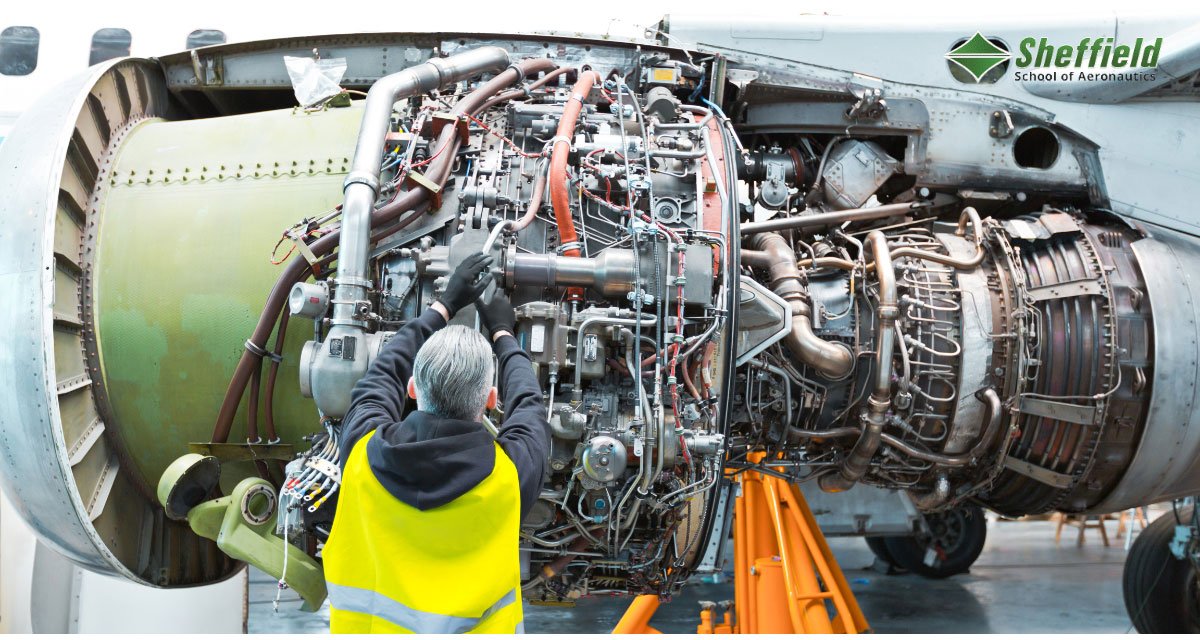
Aircraft engines are among the most critical components of any plane, directly impacting safety, performance, and reliability. A well-maintained engine ensures consistent operation during every stage of flight, from takeoff to landing. Without proper care, engines can experience reduced efficiency, increased wear, and potential failure. Businesses and operators must take a proactive approach to maintenance and monitoring. Small issues can quickly escalate if not addressed early. Consistent attention to engine health improves both safety and long term durability. Understanding the right steps helps ensure smooth and reliable engine performance.
Follow A Consistent Maintenance Schedule
Regular maintenance is the foundation of engine reliability. Scheduled inspections help identify wear and potential issues before they become serious problems. Maintenance intervals are designed based on manufacturer recommendations and usage patterns. Skipping or delaying maintenance increases the risk of failure. Routine servicing ensures all components function as intended. Consistency in scheduling prevents unnecessary wear and breakdowns. A structured maintenance plan protects engine integrity.
Monitor Engine Performance During Operation
Pilots and technicians should actively monitor engine performance indicators during operation. Changes in temperature, pressure, or fuel consumption may signal developing issues. Regular observation allows early detection of abnormalities. Performance tracking over time helps identify trends that require attention. Monitoring systems provide valuable data for maintenance decisions. Early awareness reduces the likelihood of sudden failures. Continuous observation is essential for smooth operation.
Use High Quality Lubricants And Fluids
Proper lubrication is critical for minimizing friction and preventing component damage. Using the correct type of oil ensures optimal engine performance. High quality lubricants protect moving parts under extreme conditions. Consistent oil changes prevent contamination and buildup. Products such as the dependable Eastman 2380 help support engine protection and efficiency when used appropriately. Clean and effective lubrication extends component life. Quality fluids play a major role in reliability.
Keep The Engine Clean And Free Of Contaminants
Contaminants such as dirt, debris, and moisture can damage engine components. Regular cleaning reduces buildup that can affect performance. Air intake areas should be inspected to prevent blockages. Filters must be maintained and replaced as needed. Clean systems operate more efficiently and with less strain. Preventing contamination reduces long term wear. Cleanliness supports smoother engine operation.
Inspect Fuel Systems Regularly
Fuel quality and delivery are essential for proper engine function. Contaminated fuel can cause performance issues or damage internal components. Fuel lines and tanks should be inspected for leaks or buildup. Proper filtration helps ensure clean fuel reaches the engine. Monitoring fuel systems prevents disruptions during operation. Consistent checks improve reliability. Fuel system health directly impacts engine performance.
Address Small Issues Before They Escalate
Minor engine issues should never be ignored. Unusual noises, vibrations, or performance changes may indicate underlying problems. Early intervention prevents more serious damage later. Technicians can resolve small issues more quickly and at lower cost. Delaying repairs increases risk and expense. Attention to detail improves long term outcomes. Proactive maintenance reduces downtime.
Maintain Proper Operating Procedures
Correct operation is just as important as maintenance. Pilots must follow recommended procedures during startup, flight, and shutdown. Improper handling can place unnecessary stress on engine components. Gradual warm up and cool down processes help protect internal parts. Consistent operation reduces wear over time. Following guidelines ensures engines perform as designed. Proper use extends engine lifespan.
Store Aircraft Properly Between Uses
Storage conditions influence engine health when the aircraft is not in use. Controlled environments reduce exposure to moisture and temperature extremes. Protective covers can prevent dirt and debris from entering engine components. Regular inspections during storage help identify issues early. Proper storage practices reduce maintenance needs later. Environmental control supports long term reliability. Storage is an important part of engine care.
Train Personnel On Engine Care Best Practices
Well trained personnel are essential for maintaining engine performance. Pilots and maintenance teams should understand proper handling and inspection procedures. Training ensures consistent application of best practices. Knowledge reduces the likelihood of human error. Teams that understand systems can identify problems faster. Education supports better decision making. Skilled personnel contribute to overall safety and reliability.
Conclusion
Keeping an airplane’s engine running smoothly requires consistent attention and proactive care. Regular maintenance, proper monitoring, and high quality materials support optimal performance. Clean systems and reliable fuel delivery prevent unnecessary wear. Addressing issues early reduces long term costs and risks. Proper operation and storage extend engine lifespan significantly. Training ensures that best practices are applied consistently. With the right approach, aircraft engines can operate safely and efficiently over time.