


Styling a wristwatch has evolved far beyond simple timekeeping. Today, it functions as a defining accessory—one that can subtly elevate an outfit, communicate personal taste, and even signal lifestyle preferences. For fashion-conscious buyers who want both style and value, pairing affordable luxury pieces with everyday outfits has become a practical goal. This is especially true for shoppers exploring womens watches on sale and considering coach watches as a way to achieve a polished look without stretching their budget.
This article takes an objective look at how to integrate such watches into daily styling, while examining the trade-offs, challenges, and key decision-making factors that influence both fashion outcomes and spending habits.
The Role of Watches in Everyday Fashion
A watch is one of the few accessories that blends function with visual impact. Unlike seasonal fashion items, it is worn repeatedly and often across multiple settings—work, casual outings, and semi-formal occasions. Because of this versatility, choosing the right watch and styling it effectively requires a thoughtful balance between design, practicality, and cost.
Affordable luxury watches, particularly those associated with fashion-forward brands, tend to prioritize aesthetics such as color coordination, dial design, and strap material. These elements make them highly adaptable for everyday wear, but also introduce considerations about durability and long-term value.
Understanding the Appeal of Affordable Luxury
One of the main reasons shoppers gravitate toward discounted designer timepieces is the ability to access premium aesthetics at a lower cost. However, this comes with a set of trade-offs.
On one hand, buyers benefit from recognizable branding, contemporary designs, and a sense of elevated style. On the other, these watches may not always offer the same mechanical complexity or long-term investment value as high-end luxury counterparts.
From a styling perspective, this trade-off often works in favor of the buyer. Since the goal is to complement everyday outfits rather than build a collectible portfolio, design versatility and affordability tend to outweigh technical specifications.
Matching Watch Styles with Everyday Outfits
Styling a watch effectively begins with understanding how it interacts with clothing. The goal is not to make the watch the center of attention at all times, but to ensure it integrates seamlessly into the overall look.
Casual Outfits
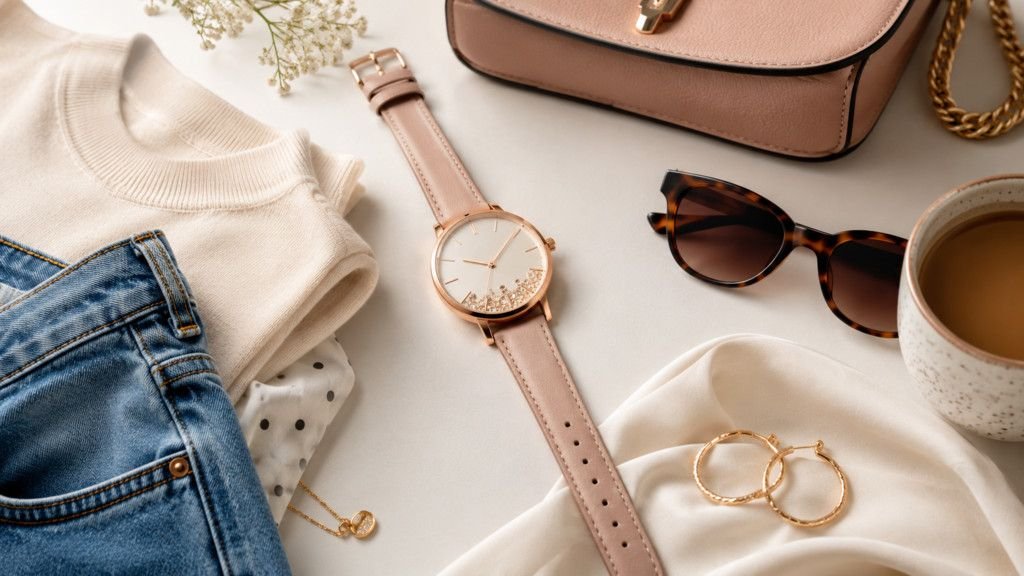
For casual wear—such as jeans, t-shirts, or relaxed dresses—a minimalist watch design tends to work best. Slim dials, neutral tones, and simple straps create a clean aesthetic that enhances the outfit without overpowering it.
Leather straps in tan, black, or blush shades are particularly effective in casual settings. They offer comfort and flexibility, while maintaining a polished appearance.
However, there is a trade-off to consider. Leather straps may require more maintenance and can wear out faster compared to metal alternatives. Buyers need to weigh comfort and style against durability.
Workwear and Professional Settings
In professional environments, watches often serve as subtle indicators of attention to detail. A well-chosen piece can complement structured outfits such as blazers, tailored trousers, or formal dresses.
Metal bracelet watches, especially in silver or gold tones, tend to align well with workplace attire. They project a refined look and are generally more durable than leather options.
The challenge here lies in avoiding overly flashy designs. While decorative elements like crystals or oversized dials may be appealing, they can sometimes conflict with the understated tone expected in professional settings.
Smart Casual and Transitional Looks
Smart casual outfits—such as a blouse paired with denim or a midi dress with flats—offer more flexibility in styling. This is where watches with mixed materials or unique dial designs can shine.
Two-tone finishes, mesh straps, or subtle embellishments can add visual interest without compromising versatility. These styles bridge the gap between casual and formal, making them ideal for day-to-night transitions.
The trade-off in this category often involves balancing uniqueness with usability. Highly distinctive designs may not pair easily with all outfits, reducing their overall versatility.
Color Coordination and Material Choices
One of the most important factors in styling a watch is color coordination. A mismatch between the watch and the outfit can disrupt the visual harmony, while a well-coordinated piece enhances the overall look.
Neutral tones such as black, white, beige, and metallic shades are generally the safest choices. They pair easily with a wide range of outfits and reduce the need for multiple watches.
However, relying solely on neutral colors may limit opportunities for creative expression. Incorporating occasional color accents—such as pastel straps or rose gold finishes—can add personality without requiring a complete wardrobe overhaul.
Material selection also plays a critical role. Metal watches tend to be more durable and suitable for frequent wear, while leather and fabric straps offer comfort and stylistic variety. Each option comes with its own maintenance requirements, which should be considered before making a purchase.
Budget Considerations and Smart Spending
Styling a watch effectively is not just about aesthetics—it also involves making financially sound decisions. For many buyers, the goal is to achieve a high-end look without overspending.
Shopping during sales or exploring discounted collections allows consumers to access premium designs at reduced prices. However, this approach requires careful evaluation to ensure that the lower price does not come at the expense of quality or authenticity.
One challenge associated with budget shopping is the risk of impulse purchases. A watch may appear attractive due to its discount, but if it does not align with the buyer’s wardrobe or lifestyle, it may end up underutilized.
To avoid this, it is important to consider how frequently the watch will be worn and how well it integrates with existing outfits. A slightly higher investment in a versatile piece may offer better long-term value than multiple low-cost purchases.
Balancing Trends and Timelessness
Fashion trends influence watch design just as they do clothing. From oversized dials to minimalist aesthetics, trends can shape consumer preferences and purchasing decisions.
While following trends can help create a modern look, it also introduces the risk of obsolescence. A watch that feels current today may appear outdated in a few years.
Timeless designs, on the other hand, prioritize simplicity and longevity. Classic shapes, neutral colors, and understated details tend to remain relevant across seasons.
The key trade-off here is between immediate appeal and long-term usability. Trend-driven watches may offer a more striking appearance, but timeless pieces provide greater versatility and durability in styling.
Practical Challenges in Everyday Styling
Despite the versatility of modern watches, there are several challenges that buyers may encounter when incorporating them into daily outfits.
One common issue is over-accessorizing. Wearing multiple bold accessories alongside a statement watch can create visual clutter. In such cases, it is often better to let the watch serve as the primary accessory.
Another challenge is maintaining the watch’s condition. Regular exposure to moisture, sweat, and environmental factors can affect both the appearance and functionality of the watch. This is particularly relevant for leather straps and plated metal finishes.
There is also the consideration of comfort. A watch that looks appealing but feels heavy or restrictive may not be suitable for all-day wear. Finding the right balance between design and comfort is essential for consistent use.
The Impact of Personal Lifestyle
Styling decisions should always take into account the wearer’s lifestyle. A watch that works well for a corporate professional may not be ideal for someone with a more active or outdoor-oriented routine.
For individuals with busy schedules, durability and ease of maintenance become key factors. In contrast, those who prioritize fashion and variety may prefer having multiple watches for different occasions.
Understanding these lifestyle factors helps ensure that the chosen watch not only looks good but also fits seamlessly into daily routines.
Making Informed Styling Decisions
When selecting and styling a watch, it is important to consider the broader impact of each decision. This includes financial implications, long-term usability, and compatibility with personal style.
Rather than focusing solely on brand or price, buyers should evaluate how the watch contributes to their overall wardrobe. A well-chosen piece can enhance multiple outfits, reduce the need for additional accessories, and provide consistent value over time.
It is also beneficial to approach styling with flexibility. Experimenting with different combinations can reveal new ways to incorporate a watch into everyday looks, maximizing its potential.
Final Thoughts
Styling a watch with everyday outfits is both an art and a practical exercise in decision-making. By carefully considering factors such as design, material, budget, and lifestyle, buyers can achieve a balanced approach that delivers both style and value.
Affordable luxury watches offer an accessible entry point into refined fashion, but their effectiveness depends on how thoughtfully they are integrated into daily wear. Balancing trends with timelessness, aesthetics with durability, and cost with quality ensures that the final result is both visually appealing and sustainable.
Ultimately, the goal is not just to wear a watch, but to make it a cohesive part of one’s personal style—enhancing everyday outfits without unnecessary spending.