



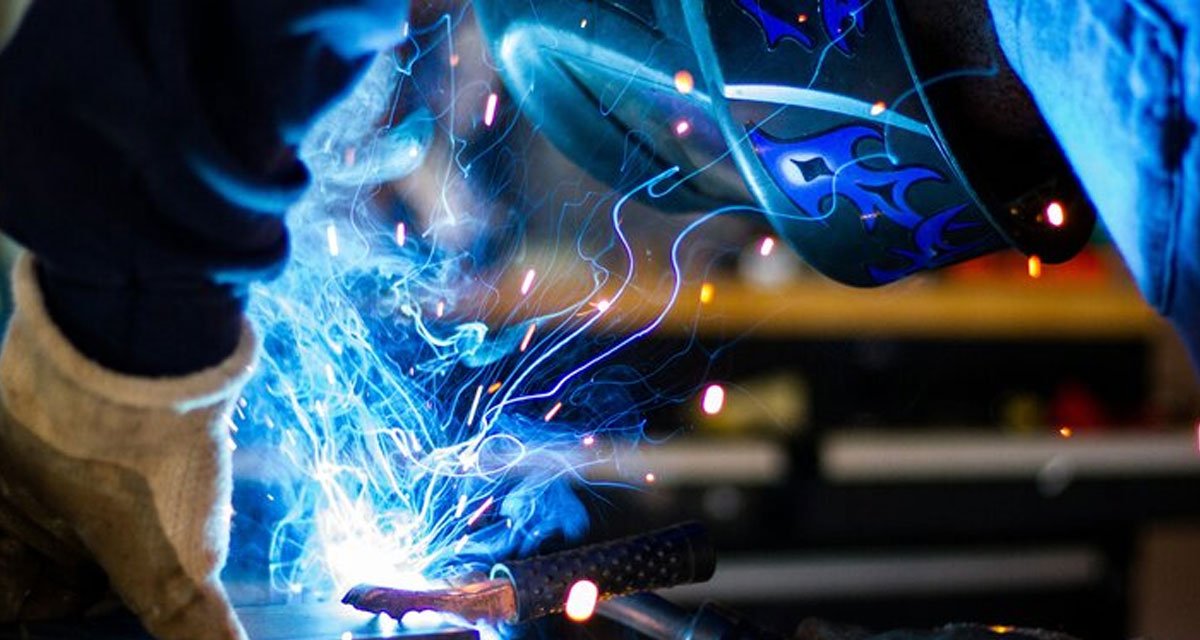
Industrial facilities reduce operational and safety risks through regular weld inspection (this is commonly referred to as ตรวจสอบแนวเชื่อม in Thai) because it helps identify hidden defects, structural weaknesses and potential equipment failures before they become serious problems. In industries such as oil and gas, manufacturing, energy and heavy engineering, welded components are constantly exposed to pressure, heat and demanding operating conditions.
Proper inspection processes help businesses improve safety, maintain equipment reliability and minimise costly downtime.
As industrial operations become more advanced, companies increasingly rely on non-destructive testing methods to maintain high engineering standards without damaging critical infrastructure.
Why Weld Integrity Matters in Industrial Operations
Welded structures are essential across industrial facilities. Pipelines, storage tanks, pressure vessels and structural frameworks all depend on strong and reliable welds to operate safely.
Even small welding defects can eventually lead to:
- Equipment failure
- Production interruptions
- Safety hazards
- Expensive repairs
- Reduced efficiency
This is why many facilities prioritise routine inspection procedures as part of their long-term maintenance and risk management strategies.
Common Problems Found During Inspections
Professional inspections are designed to detect issues that may not be visible on the surface.
These can include:
- Cracks
- Porosity
- Corrosion damage
- Incomplete fusion
- Internal discontinuities
Early detection allows facilities to take corrective action before problems become more severe or dangerous.
How Non-Destructive Testing Helps Reduce Risk
Non-destructive testing plays a major role in modern industrial safety because it allows engineers to inspect materials without causing damage to equipment or structures.
Ultrasonic Testing Improves Accuracy
One of the most widely used inspection methods is ultrasonic testing (UT). This technique uses high-frequency sound waves to identify internal defects within welded materials.
Ultrasonic testing helps facilities:
- Detect hidden flaws
- Assess material thickness
- Improve inspection accuracy
- Reduce unnecessary dismantling
- Support preventive maintenance
Because it provides reliable results with minimal disruption, ultrasonic testing has become an important part of industrial quality control programmes.
NDT Thai provides ultrasonic testing services designed to support industrial safety, engineering quality and operational reliability across multiple industries.
Inspection Supports Workplace Safety
Safety remains one of the biggest priorities within industrial environments. Faulty welds can create dangerous situations for workers, especially in high-pressure or high-temperature systems.
Preventing Serious Incidents
Regular inspection programmes help reduce risks linked to:
- Pipeline leaks
- Structural failures
- Equipment breakdowns
- Pressure vessel damage
- Production shutdowns
By identifying welding defects early, facilities can schedule repairs before problems escalate into emergencies or costly failures.
This proactive approach supports safer working environments while helping businesses maintain compliance with industry standards.
Long-Term Benefits of Preventive Inspection
Industrial infrastructure represents a significant financial investment. Inspection programmes help businesses protect these assets and improve long-term operational performance.
Reducing Downtime and Repair Costs
Unexpected equipment failures often result in expensive repairs and operational delays.
Preventive inspections help facilities reduce these risks through planned maintenance strategies.
Benefits may include:
- Lower repair expenses
- Improved equipment reliability
- Reduced downtime
- Better production efficiency
- Extended asset lifespan
Facilities that invest in regular inspection services often experience more stable and cost-effective operations over time.
Supporting Reliable Industrial Performance
Weld inspection continues to play an important role in reducing operational risk, improving workplace safety and maintaining industrial reliability. Through advanced non-destructive testing methods such as ultrasonic testing, facilities can detect hidden issues early and avoid major disruptions.
Businesses seeking accurate and professional ultrasonic testing services can rely on NDT Thai to support engineering quality, industrial safety and long-term equipment performance through advanced inspection solutions tailored for demanding industrial environments.