



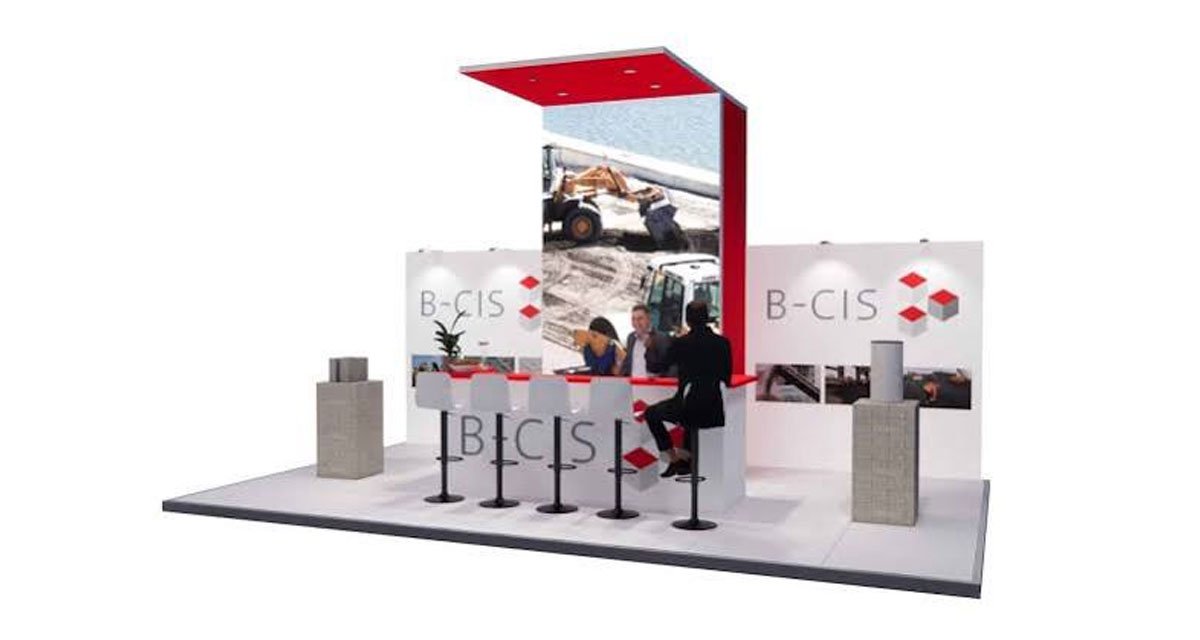
Walk a trade show floor and you’ll notice something immediately — attention is the real currency. Potential customers, industry partners, decision-makers: they’re all there, packed into one room, actively looking. Your display is the thing standing between you and that crowd. Many businesses treat booth participation as a line item they can cut. Big mistake. Done right, a strong display pays back well past the closing hour of any single event. Knowing exactly what you’re buying when you invest helps you spend smarter and show up better.
1. Direct Access to Qualified Leads
Here’s what’s different about trade show attendees: they already showed up. They bought a ticket, cleared their calendar, and walked through the door — all for your industry. That’s not a cold contact. That’s someone already halfway convinced they need what you sell. A sharp, well-organized booth pulls those people in rather than letting them drift past. Think about the math. Dozens — sometimes hundreds — of qualified prospects in a single day. Weeks of traditional sales calls won’t match that volume. And the conversations that happen face-to-face? They build something email threads rarely do.
2. Enhanced Brand Visibility and Recognition
Convention halls are loud, crowded, and visually chaotic. Attendees hit dozens of booths. Most blur together. Yours doesn’t have to. Consistent visual identity — your name, your logo, your colors — lands harder in person than on any screen. When exhibitors need to cut through that chaos, a high quality backlit trade show display pulls eyes from across the room in a way flat signage simply can’t. That luminous pop registers fast. And familiarity, built through repeated visual exposure, is what nudges people toward trust — which is what actually drives purchases. A forgettable booth is a missed opportunity. A memorable one keeps working long after the show ends.
3. Competitive Advantage at Industry Events
Your booth is competing. Full stop. Every exhibitor on that floor is fighting for the same limited attention, and the quality of your presentation decides whether prospects stop or keep walking. Big budgets can buy premium floor space, sure. But design and layout punch back hard. A thoughtfully executed booth tells a story about your company before anyone says a word — that you’re serious, established, worth talking to. Prospects absolutely compare you to the booth next door. First impressions formed in those few seconds often determine who gets the follow-up meeting and who gets forgotten by lunch.
4. Opportunities for Product Demonstrations and Education
No web page replicates a live demo. It just doesn’t. Watching someone interact with your product — touching it, asking questions, getting real answers in real time — creates a different kind of understanding. Static brochures and product pages tell people what something does. Demonstrations show them why it matters. Complex or technical products especially need this. Your booth becomes something more than a backdrop — it becomes an active sales floor, a classroom, a place where skeptics turn into prospects and prospects turn into buyers. That’s a meaningful shift in what a display can do for you.
5. Relationship Building and Networking Opportunities
Trade shows loosen things up. The usual formality of a business context drops away, and conversations start more naturally. Your booth gives people a reason to find you — a fixed point on the floor where partners, prospects, and contacts can walk up and just talk. Your team can listen, ask questions, understand real challenges. No cold pitch required. Those conversations plant seeds. Some grow into partnerships. Some generate referrals months later. Others become collaborations nobody planned for. The pace of relationship-building at a trade show simply has no equivalent in a standard sales cycle.
Conclusion
A trade show display isn’t just décor. It’s a business tool — one that delivers on several fronts simultaneously. Lead generation, brand recognition, competitive positioning, live product education, relationship development: all of it happening in the same concentrated window. Yes, the upfront cost requires real budgeting. But access to that density of qualified prospects is rare, and a professional display amplifies every hour you spend on the floor. Businesses that treat trade shows as core strategy — not a marketing afterthought — consistently walk away with stronger pipelines, sharper market positioning, and industry relationships that keep paying dividends. The booth is the investment. Everything else follows from it.