


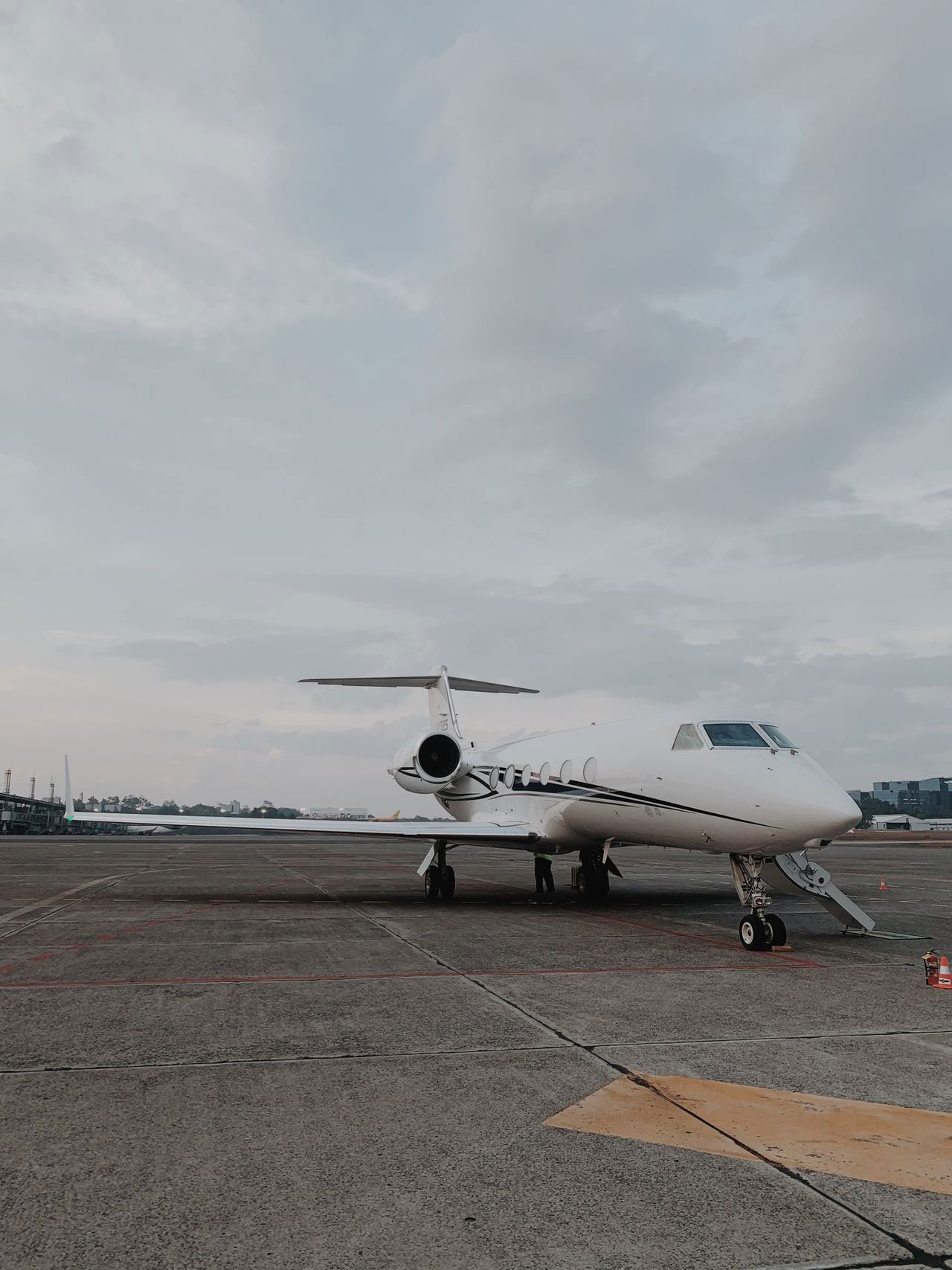
For businesses that rely on aircraft for transportation, logistics, executive travel, or specialized operations, fleet reliability is essential. Delaying maintenance may seem like a way to reduce short-term expenses, but it often leads to larger problems that can be far more costly in the future. Unscheduled downtime, canceled flights, expensive repairs, and safety concerns can all result from neglected maintenance. Taking a proactive approach to servicing an aircraft fleet helps businesses protect their investments while ensuring consistent operations. Regular maintenance not only improves reliability but also supports regulatory compliance and long-term financial savings. Companies that prioritize maintenance today are often better positioned to avoid major disruptions tomorrow.
Reduce The Risk Of Unexpected Downtime
Unexpected aircraft downtime can create significant operational challenges. A grounded aircraft may disrupt schedules, delay important trips, and create logistical complications throughout the organization. Routine maintenance helps identify developing issues before they result in major mechanical failures. By addressing concerns early, operators can schedule repairs during planned maintenance periods rather than dealing with emergency situations. Preventative action helps keep aircraft available when they are needed most. Reliability is one of the most important benefits of a proactive maintenance strategy.
Avoid Costly Repairs
Small maintenance issues rarely stay small forever. Minor wear, fluid leaks, or component deterioration can quickly lead to much larger problems if left unresolved. Regular inspections allow technicians to identify these concerns before they create extensive damage to surrounding systems. Preventative maintenance is generally far less expensive than emergency repairs and major component replacements. Businesses that invest in maintenance often experience greater cost control over the lifespan of their fleet. Early intervention protects both the aircraft and the maintenance budget.
Improve Aircraft Safety
Safety should always be the highest priority in aviation. Regular maintenance ensures that critical systems are functioning properly and that aircraft remain airworthy. Scheduled servicing allows technicians to evaluate engines, flight controls, avionics, landing gear, hydraulic systems, and other essential components. Detecting and correcting issues early helps reduce operational risks. A strong maintenance program supports safer and more reliable flights for pilots, passengers, and crews. Consistent attention to safety contributes to greater confidence throughout the organization.
Extend Aircraft Lifespan
Aircraft represent significant investments, and maximizing their useful life is an important business objective. Well-maintained aircraft often remain operational for longer periods while retaining greater value. Regular inspections, timely repairs, and proper servicing help reduce long-term wear and tear. Protecting critical components can delay the need for major overhauls and replacements. Businesses that care for their fleets consistently often achieve stronger returns on their aviation investments. Longevity begins with proper maintenance practices.
Maintain Regulatory Compliance
Aviation regulations require operators to meet specific maintenance standards and inspection schedules. Failing to remain compliant can result in operational interruptions, penalties, and additional expenses. Proactive maintenance helps ensure that inspection requirements, service bulletins, and airworthiness directives are addressed appropriately. Staying ahead of regulatory obligations allows businesses to avoid compliance-related complications. Proper documentation and scheduling support smoother operations. Compliance is an essential part of responsible fleet management.
Protect Operational Efficiency
Aircraft reliability directly impacts business productivity. Delays caused by maintenance issues can affect meetings, deliveries, customer commitments, and overall operational performance. Servicing aircraft regularly helps ensure that fleets operate efficiently and consistently. Companies that invest in preventive maintenance are often better equipped to meet scheduling demands. Operational efficiency supports customer satisfaction and business growth. Reliable aircraft contribute to smoother day-to-day operations.
Use Quality Parts And Components
The quality of replacement parts plays a major role in fleet performance. Many operators prioritize dependable aircraft parts to help ensure reliability and support long-term maintenance objectives. High-quality components often perform more consistently and may reduce the likelihood of premature failures. Using trusted parts helps support both safety and operational efficiency. Investing in quality today can help prevent expensive maintenance issues later. Component reliability is a key factor in successful fleet management.
Improve Resale And Asset Value
Maintenance records and aircraft condition can significantly influence resale value. Buyers often evaluate service histories closely when purchasing aircraft. A fleet with well-documented maintenance and consistent servicing is generally more attractive in the marketplace. Proper care demonstrates responsible ownership and helps preserve asset value over time. Businesses that maintain their aircraft effectively often position themselves more favorably when upgrading or selling assets. Maintenance contributes directly to long-term financial value.
Strengthen Maintenance Planning
Scheduled maintenance allows organizations to plan more effectively and allocate resources efficiently. Emergency repairs are often disruptive and difficult to budget for. Proactive servicing enables maintenance teams to organize work, manage inventory, and coordinate downtime more strategically. Better planning reduces surprises and supports smoother operations. Businesses benefit from greater predictability when maintenance is managed proactively. Preparation is a valuable advantage in aviation operations.
Conclusion
Servicing an aircraft fleet regularly is one of the most effective ways businesses can avoid future operational and financial headaches. Preventative maintenance helps reduce downtime, improve safety, maintain compliance, extend aircraft lifespan, and control long-term costs. By investing in quality servicing and proactive care today, companies can protect their fleets, support reliable operations, and position themselves for greater long-term success.