


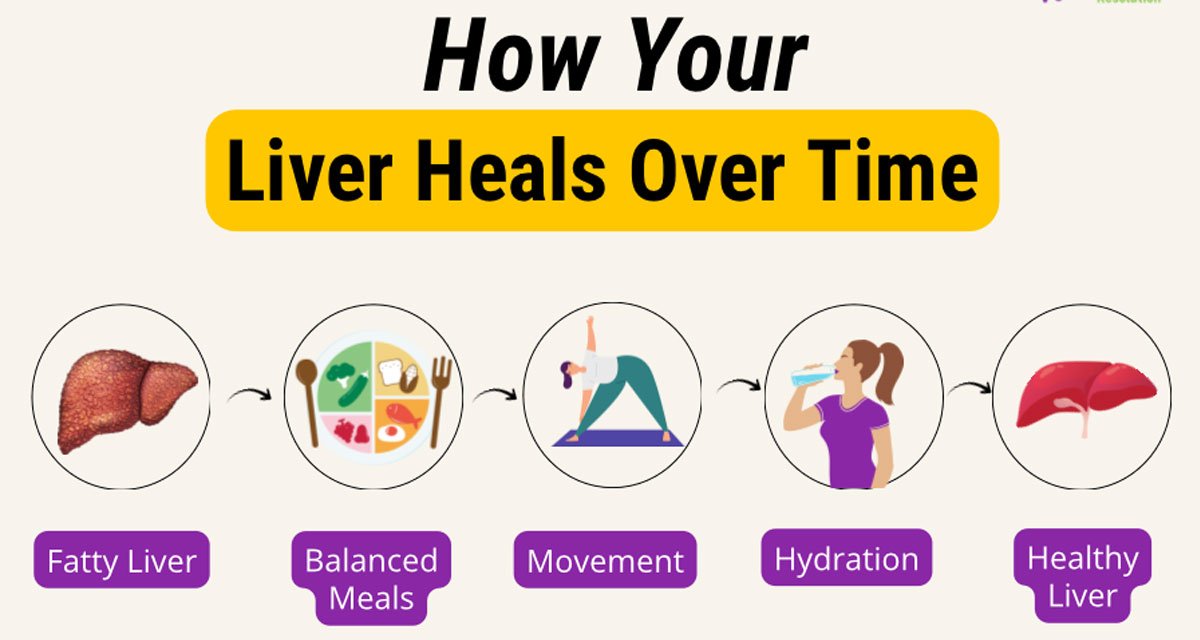
Diet can slow down liver disease progression by reducing inflammation, supporting liver cell repair, and preventing further damage through balanced nutrition. Choosing the right food for liver disease patients (this is commonly referred to as อาหารสำหรับผู้ป่วยโรคตับ in Thai) helps regulate fat buildup, stabilise blood sugar, and improve overall metabolic function, all of which are essential for protecting the liver over time.
Why Diet Matters for Long-Term Liver Health
In the same way that a well-maintained property retains its value, the body, especially the liver, requires consistent care to function efficiently. The liver plays a central role in detoxification, digestion, and nutrient storage. When compromised, poor dietary choices can accelerate damage, while strategic nutrition can slow deterioration.
From a real estate perspective, think of the liver as the “foundation” of the body. If the foundation weakens, the entire structure is at risk. Diet acts as the ongoing maintenance plan that preserves this foundation.
Key Dietary Principles to Slow Liver Disease Progression
1. Focus on Anti-Inflammatory Foods
Inflammation is a major driver of liver damage. A diet rich in anti-inflammatory foods can help reduce stress on the liver.
Include:
Leafy greens such as spinach and kale
Fatty fish rich in omega-3
Berries and antioxidant-rich fruits
These foods support the body’s natural repair processes and protect liver cells.
2. Reduce Processed and High-Fat Foods
Just as poor construction materials weaken a building, processed foods can worsen liver health.
Limit or avoid:
Fried foods
Sugary snacks and beverages
Highly processed meats
Excess fat and sugar contribute to fat accumulation in the liver, speeding up disease progression.
3. Maintain Balanced Protein Intake
Protein is essential for tissue repair, including liver cells. However, balance is key.
Best sources:
Lean poultry
Fish
Plant-based proteins such as beans and lentils
Proper protein intake helps maintain muscle mass and supports recovery without overloading the liver.
4. Prioritise Whole Grains and Fibre
Fibre helps regulate digestion and supports metabolic health.
Examples:
Brown rice
Oats
Whole grain bread
These foods help control blood sugar levels, which is crucial for preventing additional liver strain.
5. Stay Hydrated
Hydration supports the liver’s detoxification process and overall function.
Simple tip:
Aim for consistent water intake throughout the day
Avoid sugary drinks, as they can increase liver fat and inflammation.
Smart Eating Habits for Daily Living
Beyond food choices, eating habits also play a role in slowing disease progression.
Adopt these habits:
Eat smaller, balanced meals regularly
Avoid late-night heavy meals
Monitor portion sizes
These practices help maintain stable energy levels and reduce stress on the liver.
Real Estate Insight: Designing a Liver-Friendly Kitchen
From a lifestyle and real estate standpoint, creating a supportive home environment can make healthy eating easier.
Consider:
Organised kitchen storage for fresh ingredients
Easy access to cooking tools that encourage home meals
Meal prep spaces that simplify daily routines
A well-designed kitchen promotes consistency, much like a well-designed home supports long-term living.
Common Mistakes to Avoid
Skipping meals and overeating later
Relying on quick, processed foods
Ignoring nutritional balance
These habits can accelerate liver damage and reduce the effectiveness of dietary improvements.
Supporting Your Liver Through Better Choices
Slowing liver disease progression is not about strict restrictions but about making consistent, informed dietary choices. Over time, these choices act like regular maintenance on a property, preserving function and preventing costly damage.
For those looking to improve their nutrition with carefully developed options, Thai Otsuka Nutrition Club offers products designed to support individuals managing liver conditions, helping you take practical steps towards better health every day.