
Australian homeowners are constantly looking for practical ways to reduce their environmental footprint and keep household expenses manageable. While installing solar panels or upgrading ceiling insulation often comes to mind first, the home plumbing system is frequently overlooked. Upgrading outdated pipes and fixtures is one of the most effective ways to lower your utility bills and conserve precious water resources. Many homeowners assume that eco-friendly fixtures compromise on aesthetics or performance. However, modern plumbing solutions beautifully blend contemporary style with outstanding sustainability. With a few strategic adjustments, you can transform your property into a model of water efficiency and save money in the process.
Navigating Coastal and Local Conditions
Choosing the right fixtures is only the first step towards a greener home. Proper installation is crucial, especially for properties located near the coast. Coastal living offers incredible lifestyle benefits, but it also demands specific home maintenance strategies. Homes in seaside areas face unique environmental challenges, including corrosive salt air and shifting sandy soils. These elements can degrade standard plumbing materials much faster than usual. It is highly recommended to seek local expertise when planning these sustainable upgrades. For instance, consulting a qualified plumber in Ocean Grove ensures that your new water-saving installations are specifically chosen and correctly fitted to withstand these harsh coastal conditions. A local professional understands which materials naturally resist corrosion and how ground movement might affect your underground pipes over time. They can also advise on the best placement for outdoor showers and rainwater tanks, ensuring that your entire property remains resilient against the elements.
Understanding the Financial Impact of Efficiency
When considering home improvements, it helps to look at the broader impact of water conservation. In Australia, the Water Efficiency Labelling and Standards scheme has completely revolutionised how consumers choose their plumbing products. The financial and environmental benefits of this national programme are substantial. According to official government data, the scheme has saved 2,060 gigalitres of water and delivered $16.7 billion in savings since its inception. This means that upgrading your home is not just an environmental choice, but a smart financial investment. By selecting highly rated products, individual households directly contribute to these massive national savings while keeping their own quarterly bills in check. Over a few short years, the money saved on water and heating costs can easily offset the initial expense of purchasing and installing the new fixtures.
Key Plumbing Upgrades for Immediate Savings
There are several practical upgrades you can implement to see an immediate difference in your water usage. Focusing on high-traffic areas like the bathroom, kitchen, and laundry yields the best results.
- Low-flow showerheads: Traditional showerheads can use up to twenty litres of water per minute. Upgrading to a modern low-flow model reduces this to around seven or eight litres without compromising the actual water pressure you feel.
- Dual-flush toilets: Older single-flush systems waste a significant amount of water with every single use. Modern dual-flush toilets allow you to choose the appropriate water volume, drastically reducing your daily indoor consumption.
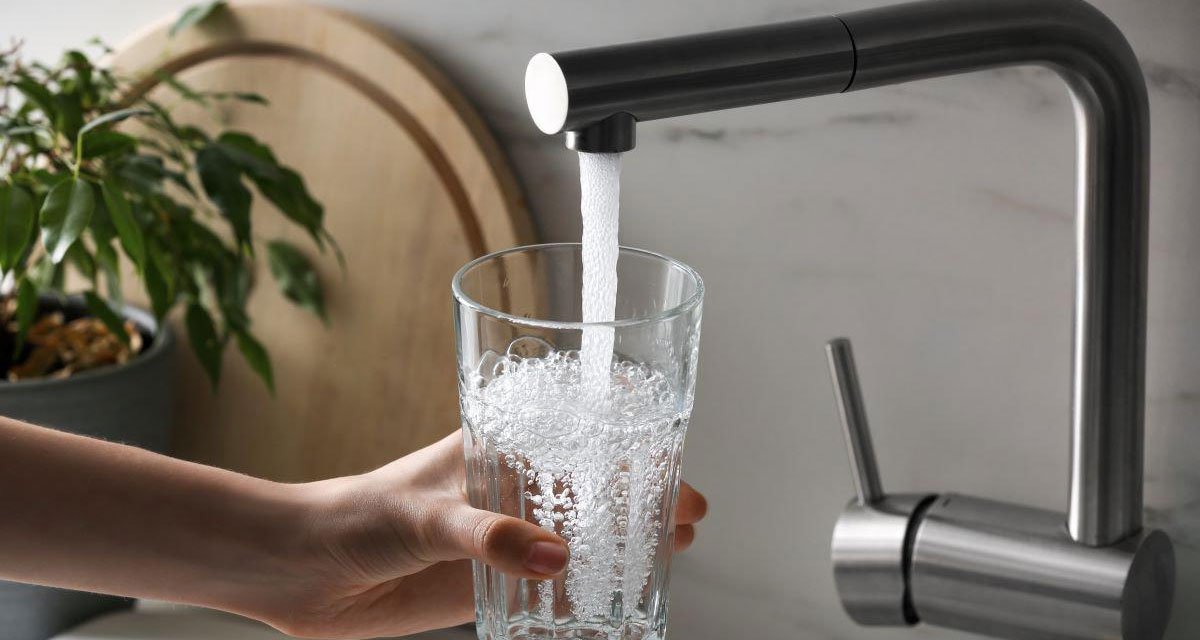
- Aerated tap fittings: Tap aerators mix air with the water stream. This creates a steady, strong pressure while using less than half the water of a standard tap, making them perfect for bathroom basins and kitchen sinks.
- Smart leak detectors: Hidden leaks can cost hundreds of dollars over a year and cause severe structural damage. Smart water monitors attach to your main water line to track usage and send alerts to your smartphone if they detect an unusual continuous flow.
Long-Term Maintenance for Sustained Performance
Upgrading your fixtures is a fantastic starting point, but ongoing maintenance is what truly secures those utility savings over the long term. Even the most advanced water-saving tap will waste money if the internal washer degrades and causes a slow, constant drip. Make it a regular habit to check under sinks, around toilet bases, and near outdoor garden taps for any signs of unwanted moisture. Early detection of minor faults prevents them from escalating into major plumbing emergencies.
Insulating your hot water pipes is another simple yet highly effective maintenance task. When pipes are exposed to cold air, the water inside cools down quickly. This means you have to run the tap much longer to get hot water, wasting both the water itself and the energy used to heat it. Wrapping exposed pipes with foam insulation keeps the water warmer for longer and helps your hot water system run much more efficiently.
Improving your home plumbing system goes far beyond simply fixing the occasional leak. It is a proactive approach to managing your household budget and protecting the local environment. By investing in modern fixtures, seeking professional advice for specific local conditions, and staying on top of routine maintenance, you can create a highly efficient home. These smart upgrades will continue to pay for themselves year after year, providing great peace of mind and significantly lower utility bills. Ultimately, a water-efficient home is a comfortable, cost-effective, and future-proof home.