


Clean water is essential for health, comfort, and long-term home maintenance. Many homeowners assume that improving water quality requires expensive plumbing upgrades or structural changes. However, that’s not always the case. A whole house water filtration system combined with a few simple strategies can significantly enhance water quality without major renovations.
This guide explains practical, cost-effective ways to improve your home’s water, while also answering key questions about how and why these solutions work.
What Does Water Quality Mean and Why Should Homeowners Care About It?
Water quality refers to the physical, chemical, and biological characteristics of the water used in your home. It includes factors such as:
- Presence of contaminants (chlorine, lead, bacteria)
- Hardness (mineral content like calcium and magnesium)
- Taste and odor
- Clarity and color
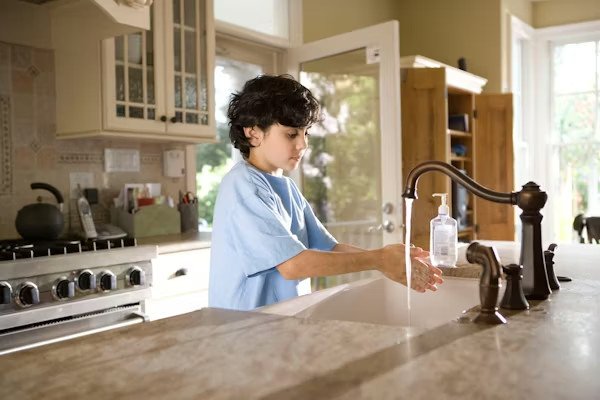
Poor water quality can lead to health concerns, dry skin, damaged appliances, and unpleasant taste or smell. Improving water quality ensures safer drinking water, better hygiene, and longer-lasting plumbing systems.
How a Whole House Water Filtration System Improves Water Quality Throughout the Home
A whole house water filtration system is designed to filter water at the point where it enters your home. This means every tap, shower, and appliance receives treated water.
How it works:
- Water passes through multiple filtration stages
- Filters remove sediments, chlorine, heavy metals, and other impurities
- Clean water is distributed throughout the entire house
Why it matters:
- Provides consistent water quality across all outlets
- Protects plumbing and appliances from buildup
- Eliminates the need for multiple small filters
This system is one of the most effective ways to improve water quality without altering your home’s plumbing.
Why Installing Faucet and Shower Filters Is a Quick and Affordable Upgrade
Faucet and shower filters are simple devices that attach directly to existing fixtures. They provide localized filtration for specific water uses.
Benefits include:
- Easy installation without tools or professional help
- Reduction of chlorine and sediments
- Improved taste and odor for drinking water
- Healthier skin and hair from filtered shower water
These filters are ideal for renters or homeowners looking for immediate improvements without committing to a full system.
How Regular Maintenance of Plumbing Fixtures Can Improve Water Quality Naturally
Maintaining your existing plumbing system can significantly improve water quality. Over time, pipes and fixtures can accumulate scale, rust, and debris.
Simple maintenance steps:
- Clean faucet aerators to remove buildup
- Flush water heaters to eliminate sediment
- Replace old or corroded pipes when necessary
Why this works:
- Prevents contaminants from entering your water supply
- Maintains consistent water pressure and flow
- Reduces the risk of bacterial growth
Regular maintenance ensures that your water remains clean even without major upgrades.
While standard home upkeep goes a long way, addressing more complex issues or evaluating larger piping networks requires experienced guidance. Consulting with local specialists like Mableton Plumbing Pros can help you determine the overall condition of your household lines and locate hidden vulnerabilities. Professional assistance limits the risk of hidden line deterioration and supports long-term property protection.
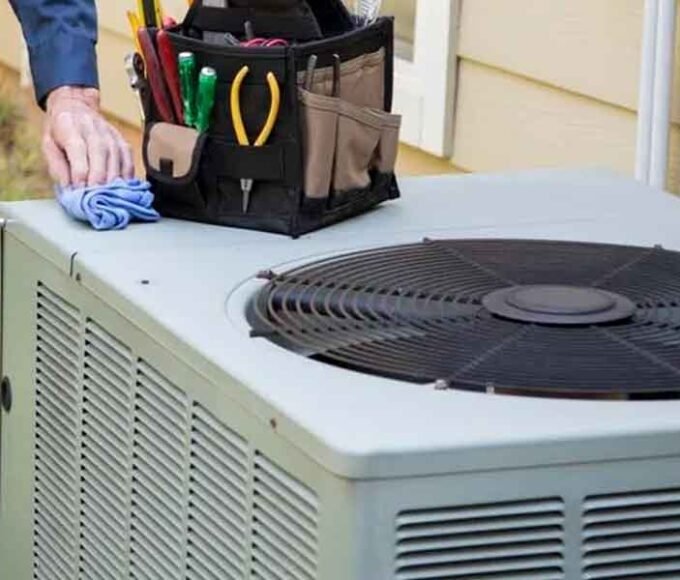
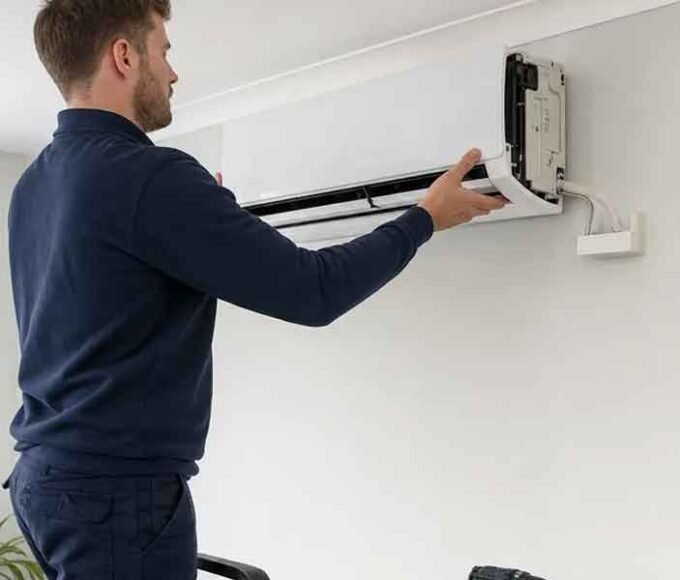
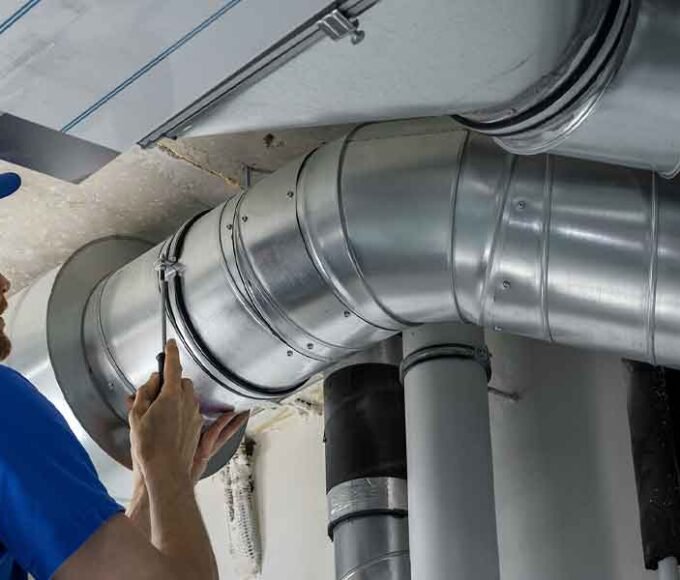
Indoor environmental controls also play a major role in overall property care, especially when managing humidity and temperature shifts that affect home systems. For homeowners managing heating and cooling needs alongside plumbing care, working with a reliable provider for hvac in Levelland helps maintain consistent indoor comfort and prevents unexpected equipment issues throughout the year.
What Role Does a Water Softener Play in Improving Hard Water Problems?
Hard water contains high levels of calcium and magnesium, which can cause scaling and reduce soap effectiveness.
A water softener addresses this issue by replacing hardness minerals with sodium or potassium ions.
Key benefits:
- Prevents limescale buildup in pipes and appliances
- Improves soap efficiency and cleaning results
- Extends the lifespan of water heaters and washing machines
While a water softener does not remove contaminants, it complements a whole-house water filtration system by improving overall water quality.
How Activated Carbon Filters Remove Common Contaminants and Improve Taste
Activated carbon filtration is one of the most widely used methods for improving water quality. It works by adsorbing impurities onto the surface of carbon particles.
Effective at removing:
- Chlorine
- Volatile organic compounds (VOCs)
- Bad taste and odor
Use cases:
- Drinking water purification
- Cooking and food preparation
- Improving the smell of tap water
This method is often included in both standalone filters and full-house systems due to its efficiency and affordability.
Why Testing Your Water Quality Helps You Choose the Right Solution
Water quality varies depending on location, source, and plumbing conditions. Testing your water is essential for identifying specific issues.
What water testing reveals:
- Presence of heavy metals like lead or iron
- Bacterial contamination
- pH levels and hardness
Why it matters:
- Helps you select the most effective filtration method
- Prevents unnecessary spending on the wrong solutions
- Ensures targeted and efficient water treatment
Home testing kits or professional lab analysis can provide accurate insights into your water quality.
How Simple Daily Habits Can Maintain Better Water Quality Over Time
Improving water quality is not just about installing systems; it also involves consistent habits.
Practical habits include:
- Running taps briefly before use to flush stagnant water
- Storing drinking water in clean, BPA-free containers
- Replacing filters according to manufacturer guidelines
Long-term impact:
- Maintains filtration efficiency
- Prevents contamination from storage or stagnation
- Ensures consistent water quality every day
Small daily actions can make a significant difference in maintaining clean and safe water.
What Are the Key Benefits of Improving Water Quality Without Major Renovations?
Enhancing water quality without structural changes offers multiple advantages:
- Cost-effective: Avoids expensive plumbing upgrades
- Convenient: Quick installation and minimal disruption
- Scalable: Start small and expand solutions over time
- Health-focused: Reduces exposure to harmful contaminants
- Efficient: Improves appliance performance and lifespan
These benefits make simple water improvement strategies accessible to most households.
Conclusion: Why Investing in a Whole House Water Filtration System Is a Smart Long-Term Decision
Improving your home’s water quality does not require major renovations or complex installations. By combining practical solutions such as fixture filters, regular maintenance, and water testing, you can achieve noticeable improvements quickly and affordably.
A whole-house water filtration system stands out as the most comprehensive solution, delivering clean, filtered water throughout your home. When paired with simple habits and complementary tools like water softeners, it creates a reliable, long-term approach to improving water quality.
As water quality concerns continue to grow globally, taking proactive steps today ensures a healthier, safer, and more efficient home environment for the future.