



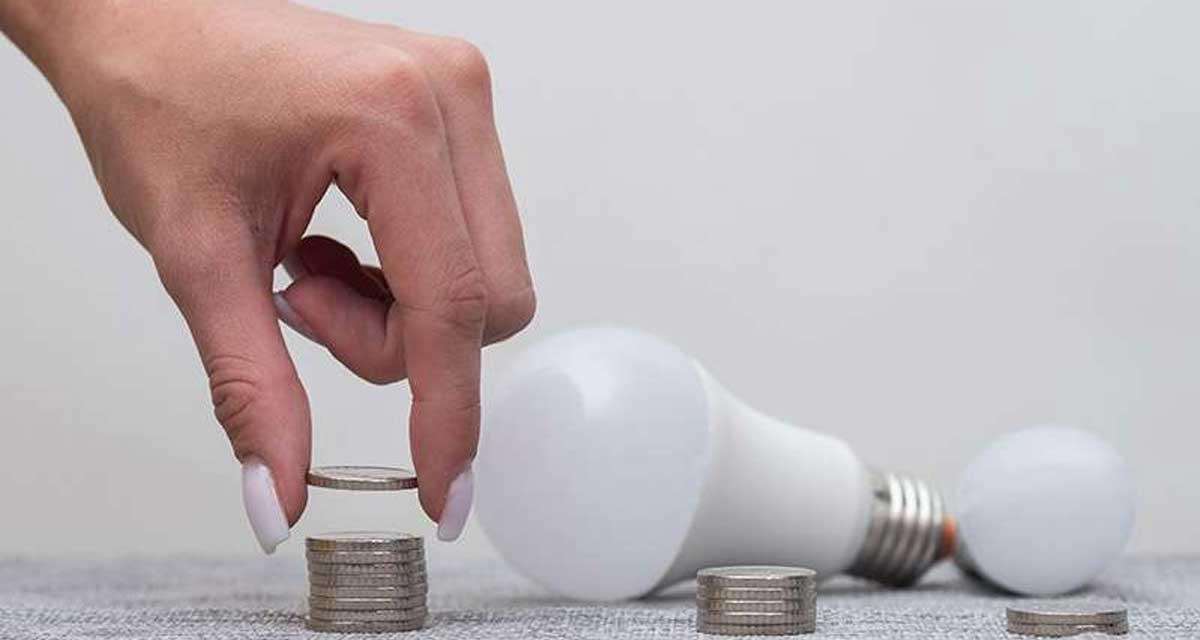
Electricity bills have a way of creeping up month after month. You may not notice it at first. Then one day you look at the total and wonder what changed.
In many homes, lighting is a bigger contributor than people realize. Lights are used every single day. Kitchens, bedrooms, hallways, bathrooms, outdoor spaces. The hours add up quickly.
The good news is simple. Smarter lighting choices can significantly reduce your electricity bill without sacrificing comfort or style.
Why Lighting Impacts Your Energy Costs
Traditional incandescent bulbs waste a large portion of energy as heat. Only a small percentage actually becomes visible light. That means you are paying for electricity that is not being used efficiently.
In contrast, modern lighting technologies convert more electricity into light instead of heat. This difference alone can lower energy consumption noticeably over time.
If you still use older bulbs throughout your home, switching to efficient alternatives can create immediate savings.
Make the Switch to LED Lighting
LED bulbs are one of the most effective ways to reduce lighting costs. They use a fraction of the energy required by traditional bulbs and last much longer.
An LED bulb can operate for years before needing replacement. That means fewer trips to the store and lower maintenance costs.
Beyond efficiency, LED lights offer flexibility. You can choose warm tones for a cozy living room or bright white light for workspaces. Dimmable options allow even greater control over energy usage.
When used throughout the home, LED lighting can make a measurable difference on your monthly bill.
Install Smart Lighting Controls
Smart lighting systems allow you to control lights remotely through an app or voice command. More importantly, they allow automation.
You can schedule lights to turn off during the day or set them to activate only when someone enters a room. Motion sensors in bathrooms and hallways prevent lights from being left on accidentally.
Dimmers also play a major role in energy savings. Lowering brightness reduces electricity consumption while still providing enough illumination.
A professional Lighting Contractor in St Louis can help design and install a smart lighting setup that matches your home layout and daily habits. Proper installation ensures compatibility, safety, and maximum efficiency.
Smart control turns lighting into a tool rather than an expense.
Use Natural Light Whenever Possible
Energy efficiency does not always require new technology. Sometimes it begins with better use of what you already have.
Open curtains and blinds during the day to let sunlight fill your space. Consider lighter wall colors that reflect natural light instead of absorbing it.
Skylights and larger windows can also increase daylight exposure if you are renovating. Even small changes such as rearranging furniture to avoid blocking windows can improve brightness.
Reducing reliance on artificial lighting during daylight hours lowers overall consumption.
Upgrade Outdoor Lighting
Outdoor lighting is often overlooked. Porch lights, driveway lights, landscape fixtures, and security lighting can stay on for long periods.
Switching outdoor fixtures to LED bulbs significantly reduces energy use. Solar powered pathway lights are another excellent option. They charge during the day and illuminate at night without drawing electricity from your home.
Timers and motion sensors ensure lights activate only when needed. This not only saves energy but also extends the life of your fixtures.
Outdoor upgrades are a simple way to cut costs without affecting indoor comfort.
Choose Energy Efficient Fixtures
Sometimes the fixture itself plays a role in efficiency. Older fixtures may not distribute light evenly, requiring higher wattage bulbs to achieve proper brightness.
Modern fixtures are designed to maximize light output while using less power. Recessed lighting, track lighting, and under cabinet LED strips can brighten specific areas without lighting an entire room unnecessarily.
Layered lighting design also helps. Instead of relying on one central ceiling light, combine task lighting and accent lighting to focus illumination where it is actually needed.
Strategic placement reduces waste.
Consider Occupancy Based Lighting
In many homes, lights stay on in empty rooms simply because someone forgot to switch them off.
Occupancy sensors automatically detect movement and turn lights off when a room is vacant. These systems are particularly effective in garages, basements, laundry rooms, and storage areas.
Over time, even small reductions in daily usage can lead to noticeable savings.
Technology makes it easier to eliminate human error.
Conduct a Lighting Audit
If you are unsure where to start, conduct a simple lighting audit. Walk through your home and note the type of bulbs in each fixture. Check wattage and how often each light is used.
Identify high use areas first. Kitchens, living rooms, and exterior lighting typically consume the most energy.
Replacing just a few high use bulbs with LED alternatives can produce faster results than changing rarely used fixtures.
An audit provides clarity and direction.
Long Term Financial Benefits
Energy efficient lighting is not only about lowering this month’s bill. It is about long term savings.
LED bulbs last much longer than traditional bulbs, reducing replacement costs. Smart systems minimize waste. Efficient fixtures reduce strain on your electrical system.
Lower energy usage can also decrease wear on circuits, contributing to overall system longevity.
Over time, the savings often exceed the initial investment.
Environmental Impact Matters Too
Reducing electricity consumption has environmental benefits as well. Lower demand means fewer fossil fuels are burned at power plants.
By choosing efficient lighting, you contribute to reduced carbon emissions while saving money.
It is a practical way to support sustainability without making drastic lifestyle changes.
Final Thoughts
Lowering your electricity bill does not always require major renovations or expensive upgrades. Often, it begins with smarter lighting decisions.
Switching to LED bulbs, installing smart controls, improving natural light usage, and upgrading outdated fixtures can significantly reduce energy waste.
Lighting shapes the mood and functionality of your home. With the right approach, it can also support financial savings.
Small adjustments made today can lead to steady savings for years to come. Energy efficient lighting is not just a trend. It is a practical solution for modern living.