


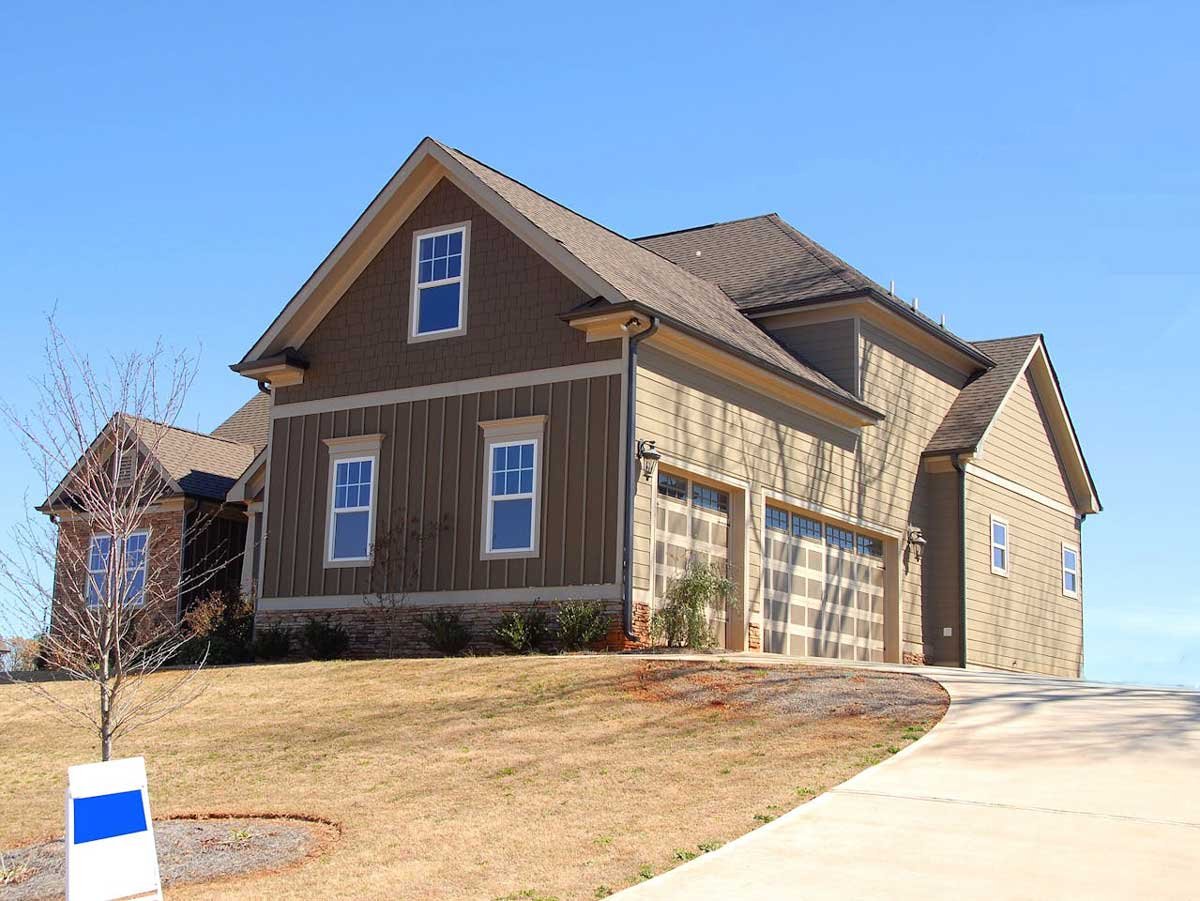
Your roof is one of the most important parts of your home, protecting you from the elements and maintaining structural integrity. When issues arise, knowing how to handle roof repairs can save you time, money, and stress. This guide covers the essentials every homeowner should understand about roof repair.
Common Causes of Roof Damage
Roof damage can occur for many reasons, including severe weather, aging materials, and poor installation. Heavy rain, hail, and strong winds can loosen shingles or cause leaks. Over time, exposure to sunlight and temperature changes can weaken roofing materials. Additionally, clogged gutters and overhanging branches can contribute to deterioration. Understanding these causes helps you take preventive measures and address problems early.
Signs You Need Roof Repairs
Before you can fix your roof, you need to recognize the warning signs. Look for missing or cracked shingles, water stains on ceilings, or granules in your gutters. Sagging areas or mold growth indicate more serious issues. Regular inspections—especially after storms—can help you catch problems before they escalate. Ignoring these signs can lead to costly damage inside your home.
Types of Roof Repairs
Roof repairs range from minor fixes to major restorations. Simple repairs include replacing a few shingles or sealing small leaks. More extensive work may involve repairing flashing, replacing sections of the roof deck, or addressing structural concerns. In some cases, a full roof replacement may be more cost-effective than repeated repairs. Knowing the scope of work helps you budget and plan accordingly.
Cost Considerations and Professional Help
The cost of roof repairs depends on factors like the size of your roof, the materials used, and the extent of the damage. Labor costs and regional pricing also play a role. To avoid surprises, get multiple quotes and ask about warranties. For expert guidance and reliable service, visit www.aceroofingtexas.com, where experienced professionals can assess your roof and provide transparent pricing. Investing in quality repairs now can prevent expensive problems later.
Preventive Maintenance Tips
Once your roof is repaired, take steps to keep it in good condition. Clean gutters regularly, trim overhanging branches, and schedule annual inspections. Addressing minor issues promptly prevents them from becoming major problems. Preventive maintenance not only extends your roof’s lifespan but also saves you money in the long run.
Conclusion
Roof repair doesn’t have to be overwhelming. By understanding common causes of damage, recognizing warning signs, exploring repair options, and working with trusted professionals, you can protect your home and avoid costly surprises. A well-maintained roof is an investment in your property’s safety and value, so don’t wait—address issues promptly and keep your home secure.