



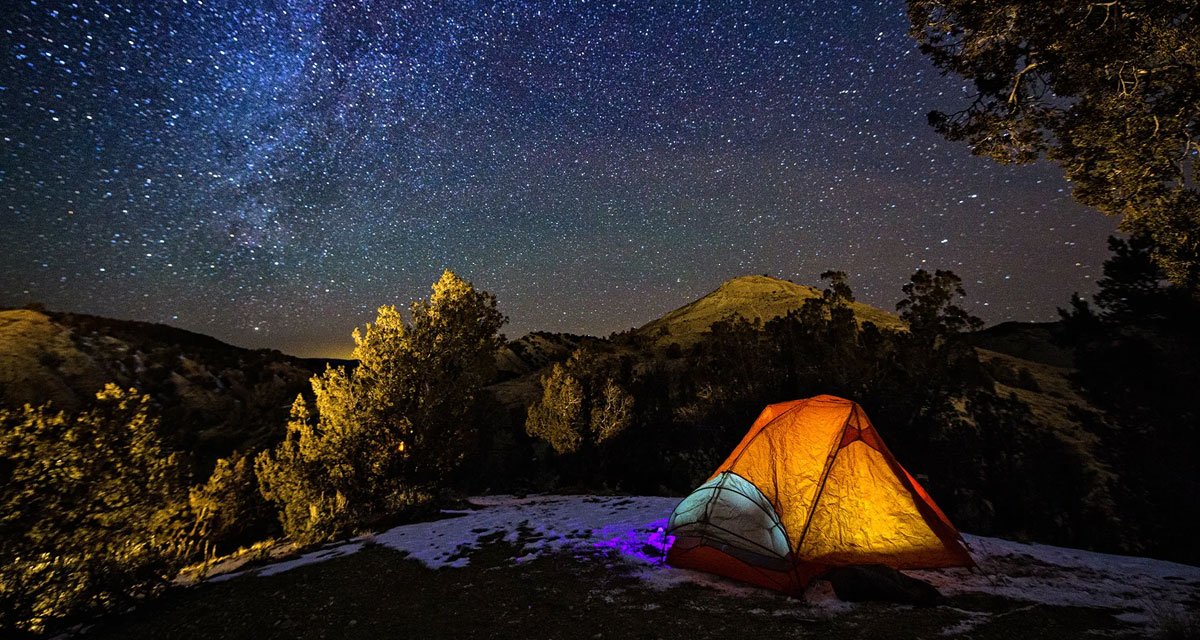
Many of us enjoy camping. In fact, the second-highest total of campers on record was last year (2025) with 82.4 million – just behind 84.8 million in 2023. From families and friends to partners and specialist groups, camping is for everyone. It’s great to get outdoors, enjoy nature, and make new memories.
But no one wants to imagine things going wrong here. After all, you are often without your home comforts – no hot showers, climate control, or full-sized mattresses. More importantly, though, you might not have reliable cell service, and this can be troubling when the plan goes awry.
Whether it’s poor weather preparation, inadequate gear, or bad site selection, you might need to depend on a different skillset. Knowing the best survival tips could be useful, and you’re in luck – three of the most commonly used tips are outlined below.
Learn David Canterbury’s 5 Cs of Survival
It might sound like an overreaction, but knowing how to survive means learning the 5 Cs. Survivalist David Canterbury devised a framework to detail the essential tools and resources necessary to sustain yourself for a short period of time. The 5 Cs includes:
- Cutting tool (Knife)
- Combustion device (Fire starter)
- Cover (Shelter)
- Container (Water storage)
- Cordage (Rope)
Looking at the above, is there anything you notice? Well, these items are not easy to create from natural materials. You are better to pack them yourself just in case – rather than go searching for the impossible when need arises.
The items you select must be high-quality. No one wants to begin cutting wood only for the knife to fracture and break. For example, having a specifically-made survival knife is advised – not a bushcraft blade. Researching how survival knives compare to bushcraft blades will show that the former is what you need when things go wrong.
Remember, these are the items that will keep you alive. That’s your aim when a camping trip – particularly wild camping – goes wrong.
Protect Yourself by Prioritizing Shelter
The elements can be rough. It might have been sunshine at the beginning of your trip – but there’s no guarantee that’ll last. Cold, rain, and wind can begin at a moment’s notice. Such elements are a sure-fire way to experience hypothermia, especially if you aren’t prepared.
So, prioritize finding or building shelter. You could survive days without water and weeks without food. Without shelter? In extreme conditions, you could be in trouble in as little as three hours. Shelter is the fastest way to stop environmental exposure – including extreme weather-related issues – and this has been known to kill in hours.
There are mistakes people make during this step, though. Forgetting about tent placement, for instance. This is crucial. You do not want to stay under dead branches or trees that could fall in the wind. These are aptly called “widow-makers.” You are also in danger if you set up in dry riverbeds or on exposed ridges.
Instead, look for dry ground. This prevents the loss of body heat. It is also best if you use a natural shelter. Think rock faces or dense thickets, or even dry caves. Not everyone will have emergency gear, so try to use your surroundings.
Wear Layers to Manage Body Temperature
Layers are vital. Not only does this allow you to adapt to changes, but you are also trapping heat when necessary. You can remove layers when too warm, or add more if you are cold. And several thin layers are believed to be more effective than one thick layer. They trap the warm air close to your body.
However, you need to be smart about this. Having a three-layer system is advised. This means a base layer to wick away moisture, a mid-layer to retain body heat, and an outer layer to protect from wind and rain. You should avoid cotton at all costs here, as it will only soak up the sweat and rain – and this is counterproductive.
To conclude, camping trips can go wrong. You don’t want to imagine it will, but being prepared is essential. This could be the difference between returning home unscathed and experiencing hypothermia or something more sinister.
Following the three tips explained above will help you make the best out of a bad situation.