



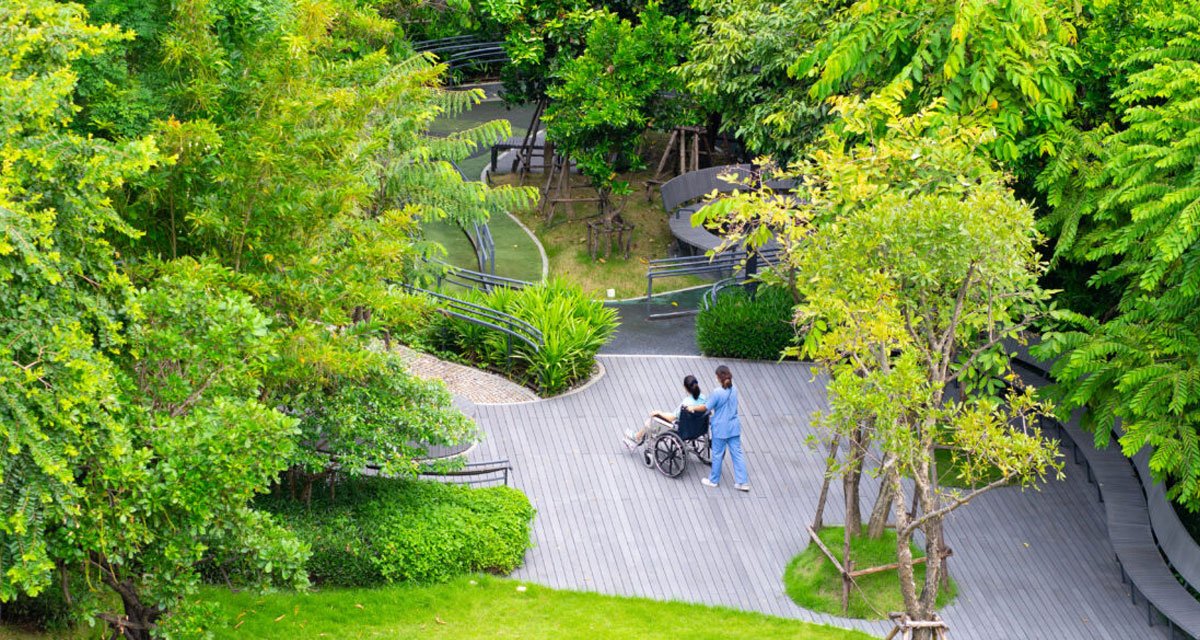
The spaces we inhabit have a profound and lasting impact on our physical recovery and emotional wellbeing. When recovering from an illness or navigating a significant life transition, a sterile and clinical environment can often hinder progress, leaving individuals feeling isolated. Conversely, bringing elements of the outdoors inside and designing homes with organic textures fosters a deep sense of inner peace. Even modest updates to our daily surroundings can have a remarkable effect on our mindset. For example, exploring smart ways to modernise your front entryway for better security and convenience, while also maximising natural daylight and adding indoor houseplants, can significantly reduce stress and provide peace of mind. This foundational concept of biophilic design is now actively reshaping how we approach accessible living and rehabilitation spaces across Australia.
The Science of Nature in Recovery
The therapeutic benefits of green spaces are not just based on anecdotal observations. A growing body of architectural and medical research supports the idea that human connection to the earth actively accelerates physical healing. Time spent in nature helps to lower cortisol levels, reduce blood pressure, and calm the nervous system. According to extensive research on the health benefits of therapeutic gardens, hospital patients with access to purposefully designed green spaces display less fatigue and pain, experience shorter hospitalisation periods, and report higher overall room satisfaction.
When vulnerable people have consistent visual and physical access to nature, their anxiety levels drop considerably. This empirical data highlights why integrating therapeutic gardens and natural landscapes into care facilities is an absolute necessity rather than a mere luxury. Nature provides a passive form of therapy that works continuously in the background to support traditional medical treatments, fostering resilience and encouraging an optimistic outlook on life.
Bridging the Gap in Transitional Care
Transitioning from a highly structured hospital setting back into the local community is a sensitive period for individuals with disabilities or complex health needs. During this crucial time, the architectural design of a temporary residence plays a major role in restoring independence, confidence, and personal dignity. Purpose-built environments that prioritise expansive outdoor gardens, ample sunlight, and welcoming communal areas offer a safe and restorative haven for recovery. These considered architectural choices give individuals the space they need to rebuild their strength at their own pace, entirely free from the rigid routines of a clinical ward.
For instance, when individuals require ndis emergency accommodation while waiting for long-term housing modifications, having access to holistic, nature-centric spaces ensures their emotional and physical needs are continuously supported. These carefully designed transitional homes replace clinical sterility with domestic warmth. By providing a calming atmosphere that feels like a true home, they empower residents to focus entirely on their rehabilitation journey without the stress of an institutional environment.
Essential Elements of a Therapeutic Garden
Creating an outdoor environment that is both fully accessible and restorative requires thoughtful landscape design. The ultimate goal is to stimulate the senses while eliminating physical barriers, allowing everyone to enjoy the therapeutic benefits of gardening regardless of their mobility levels.
To achieve this balance, accessible green spaces should incorporate several key structural features:
- Wide and even pathways: Paths must be paved with smooth, non-slip materials like brushed concrete or stabilised decomposed granite. They should be wide enough to comfortably accommodate wheelchairs and walking frames, allowing for easy turning and navigation.
- Raised garden beds: Elevated planters allow individuals to touch, smell, and cultivate plants without needing to bend or kneel. This makes active gardening accessible to those with limited lower body mobility, fostering a rewarding sense of accomplishment.
- Sensory plantings: Incorporating plants with varied textures, vibrant colours, and gentle fragrances stimulates the mind and encourages mindfulness. Utilising Australian native plants, such as lemon myrtle or grevillea, adds local character while attracting native birds and beneficial insects.
- Sheltered resting areas: Accessible seating placed in shaded, quiet corners gives individuals a comfortable place to rest. These peaceful zones encourage patients to observe nature, practise deep breathing, and enjoy moments of quiet reflection.
By blending these functional elements, landscape architects can craft outdoor sanctuaries that actively participate in the ongoing healing process. A well-designed garden becomes a dynamic, living extension of the home, inviting residents to step outside and breathe deeply every single day.
Restoring Dignity Through Thoughtful Design
The intersection of accessible design and nature creates environments that do far more than just shelter individuals in need. These thoughtful green spaces nurture the human spirit, lower psychological stress, and physically aid in the recovery process. Connecting with the natural world is a fundamental human need that becomes even more critical during times of health-related distress.
Whether we are introducing a few small indoor potted plants to brighten a living room or designing comprehensive outdoor sanctuaries for transitional care, the guiding principle remains the same. Ensuring these organic, beautiful environments are highly accessible to all is a vital step toward holistic community wellbeing. When we design spaces that heal, we provide vulnerable individuals with the dignity, comfort, and support they truly deserve.