



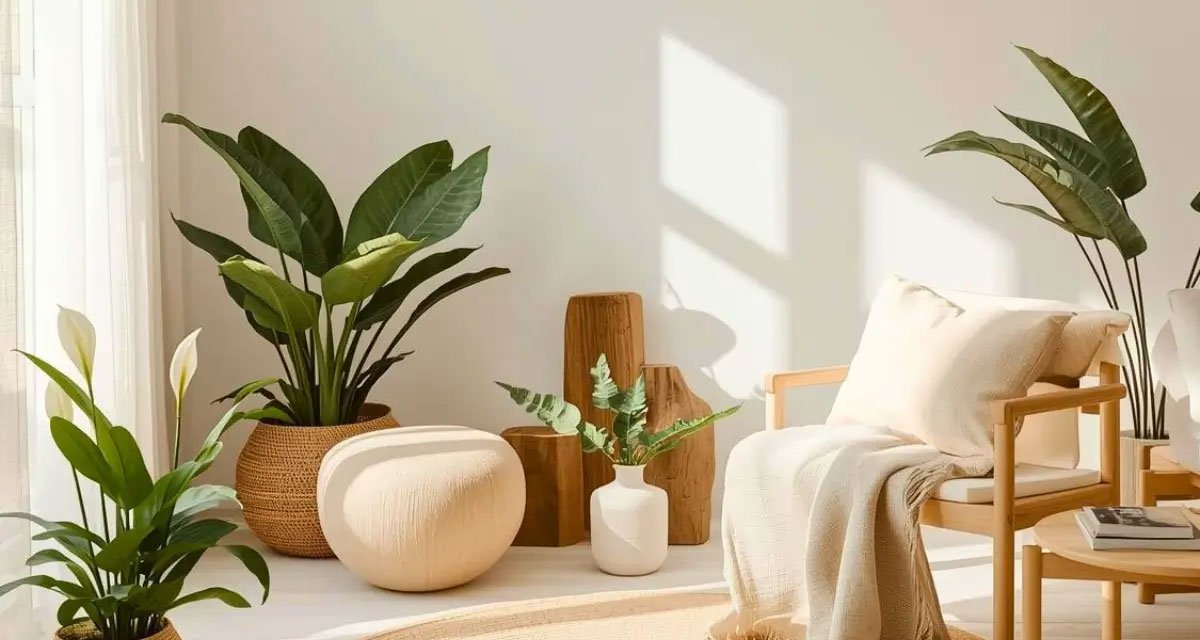
In an increasingly fast-paced and digital world, our homes need to be more than just places to sleep and eat. They should serve as personal sanctuaries that offer respite, healing, and a deep connection to the rhythms of the earth. Creating a mindful home is about intentionally curating an environment that supports physical health and emotional well-being. It is a philosophy that views the household as a living, breathing ecosystem. By blending practical cleanliness with organic elements and meaningful art, you can transform any house into a grounded, restorative haven that protects you from the noise of the outside world.
Purifying the Heart of the Home
Before introducing decorative elements, it is essential to establish a clean and healthy baseline. A true sanctuary must feel fresh and free from lingering toxins. The kitchen often acts as the hearth of a modern home, serving as a vital place of nourishment and family gathering. However, it can also harbour indoor air pollutants if not properly maintained over time. Built-up carbon, grease, and burnt residues in cooking appliances can release harmful particles into the air you breathe every time you prepare a meal. Maintaining this space requires consistent, mindful effort. This might involve adopting daily habits of wiping down surfaces with natural cleaners, or occasionally scheduling a deep, professional oven cleaning Perth to completely eliminate stubborn, toxic grime. When the foundational spaces of your home are physically purified, the entire atmosphere feels noticeably lighter, creating a perfect blank canvas for holistic living.
The Science of Natural Spaces
Once your home is physically clean, you can begin to layer in elements that actively promote psychological well-being. Biophilic design is the practice of connecting people to nature within their built environments. This concept is not merely a passing aesthetic trend but a scientifically validated approach to achieving better mental health. According to robust research from the American Psychological Association, exposure to natural environments and earthy elements is linked to improved working memory, greater cognitive flexibility, and significantly reduced stress levels. By consciously integrating sights, sounds, and textures that mimic the natural world, you actively replenish your cognitive resources. This natural restoration helps to foster a deep sense of calm and focus throughout your daily routines.
Anchoring Rooms with Meaningful Art
Decorating a mindful sanctuary requires moving away from mass-produced, synthetic items and embracing authentic pieces that tell a rich story. Organic art serves as a powerful visual and emotional focal point in a tranquil room. Look for items crafted from natural materials like clay, stone, or driftwood, which carry the inherent, grounded energy of the earth and the sea. To truly elevate your living space, anchor your rooms with pieces that celebrate human connection and natural healing. For instance, incorporating emotionally resonant nature-inspired design elements helps to establish a profound, tactile connection to the outdoors. These unique approaches act as daily reminders of wholeness, femininity, and the deeply interdependent relationship we share with the natural world around us.
Simple Ways to Invite Nature Indoors
Transitioning your living space into an earth-inspired retreat does not require a complete structural renovation or a massive budget. Small, intentional changes can dramatically shift the energy and flow of a room. Consider these highly effective, practical steps to cultivate a more natural home environment:
- Maximise natural light: Pull back heavy curtains, install sheer blinds, and clean your windows regularly to allow as much revitalising sunlight as possible into your main living areas.
- Introduce indoor greenery: Potted plants like peace lilies, snake plants, and lush ferns not only add vibrant colour but also actively help to filter and purify your indoor air.
- Favour organic textiles: Swap out synthetic fabrics for natural, breathable materials like linen, organic cotton, hemp, and wool to add tactile warmth and rustic comfort to your furnishings.
- Use earthen colour palettes: Paint your walls or choose subtle decor accents in shades of sage green, terracotta, warm ochre, and soft sand to beautifully mimic sweeping outdoor landscapes.
- Incorporate natural scents: Diffuse pure essential oils such as cedarwood, eucalyptus, or lavender instead of using harsh, artificial air fresheners that can disrupt a calm atmosphere.
Designing a mindful home sanctuary is a continuous, rewarding journey rather than a single, final destination. It starts with honouring the fundamental cleanliness and purity of your space, extends through embracing the scientific benefits of biophilic design, and culminates in the thoughtful curation of organic, meaningful art. By intentionally inviting the natural world indoors, you create a dynamic living environment that not only looks effortlessly beautiful but also deeply nurtures your mind, body, and spirit for years to come.