


A dead battery might make a parked car a hassle you could have avoided. Even with the key removed, many vehicles keep small electrical loads active for memory, security, and control modules.
Over days or weeks, that draw can drain reserve capacity and shorten battery life. Drivers can easily isolate power, minimize unwanted loss, and make basic maintenance safer with a quick disconnect switch, eliminating the need to remove cables every time.
1. It Helps Prevent Battery Drain
Modern vehicles often experience parasitic draw. Clocks, alarms, engine control units, and audio memory can keep using small amounts of current while the car sits. The load may seem minor, but time changes the result. A few milliamps each hour can leave a smaller battery unable to crank after storage.
Owners who park a weekend car, seasonal roadster, or spare vehicle for long stretches often need a practical storage habit. A simple terminal-mounted switch can cut the negative connection quickly, which stops standby loads from pulling charge. For drivers planning to buy car battery quick disconnect switch hardware, the key benefit is control, since the battery can be isolated in seconds before extended parking.
This matters most in compact cars with limited battery capacity. A smaller battery has less reserve, so the same background draw causes a larger percentage loss. Disconnecting it before storage helps preserve charge and reduces the chance of needing a jump start later.
1.1 Better Storage Routine
A disconnect switch works best as part of a clear routine. Park the car, shut everything down, open the hood or trunk, and turn the switch off. When the car is needed again, turn it back on before starting. That routine saves time compared to releasing a clamp, repositioning a cable, and verifying that it is properly spaced from the terminal.
2. It Makes Maintenance Safer
Electrical work should begin with a controlled power state. Disconnecting the battery helps lower the risk of short circuits while replacing parts, inspecting wiring, or cleaning terminals. A wrench across the wrong contact can create heat, sparks, or damage. Cutting power first makes the job calmer and more predictable.
A quick disconnect switch reduces friction in that process. Instead of reaching for tools to loosen the negative clamp, the user turns the device by hand. That speed encourages better behavior because disconnecting power no longer feels like an extra chore.
Since it obstructs the return path, the negative side is typically chosen for isolation. Once the negative connection is open, accidental contact between a tool and grounded metal is less likely to complete a circuit. This does not replace careful work, but it adds a useful layer of protection.
2.1 Less Wear on Battery Clamps
Repeatedly removing a battery cable can loosen hardware over time. Threads can wear, clamps can deform, and terminals can collect damage from frequent handling. A switch limits that cycle. The cable stays installed, while the switch handles routine connection and disconnection.
That can be useful for owners who test electrical accessories or perform frequent service. Fewer clamp adjustments mean fewer chances to create a poor connection. A secure connection matters because weak contact can cause hard starts, voltage drops, and strange electrical behavior.
3. It Adds Simple Theft Deterrence
A battery disconnect switch is not a full security system. Still, it can add a basic barrier. If the power path is open, the vehicle will not start normally. If the switch is positioned out of sight, that delay might be sufficient to deter casual interference.
The value is simplicity. No software setup, subscription, or remote device is needed. The driver controls whether the battery is connected. For parked vehicles in garages, storage units, or driveways, that added step can support a broader security plan.
There is one tradeoff to remember. Disconnecting power can reset radio presets, clock settings, trip data, and learned idle behavior in some vehicles. Most systems recover after reconnection, but drivers should expect small resets. For many stored cars, that tradeoff is minor compared with preserving charge and reducing unwanted access.
Choosing and Using One Correctly
Fit matters. A switch must match the battery terminal style and leave enough clearance under the hood or cover. It should tighten securely without straining the cable. A compact design is helpful where space is limited, since nearby panels or brackets can interfere with movement.
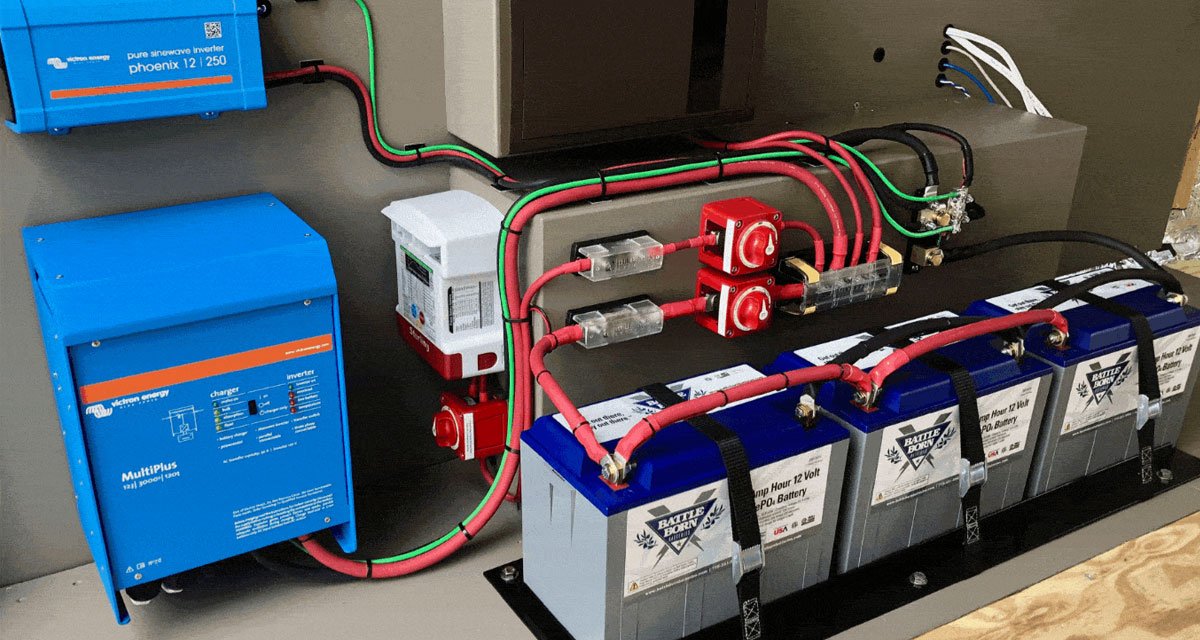
Current rating also matters. The switch should be suitable for vehicle starting loads, not just low-current accessories. Poorly matched parts can heat up or restrict current during cranking. Installation should leave clean metal contact surfaces, firm hardware, and no loose cable movement.
After installation, the driver should test both positions. With the switch on, the vehicle should start normally. With it off, electrical power should be cut. A quick check confirms the part is doing its job before the car goes into storage.
Conclusion
A quick disconnect switch is a small upgrade with practical value. It helps reduce battery drain during storage, supports safer maintenance, and adds a simple barrier against unwanted starting. The best results come from proper fit, secure installation, and consistent use before long parking periods.
For drivers who want fewer dead-battery surprises and cleaner electrical habits, this switch offers a low-effort way to manage power at the source.