


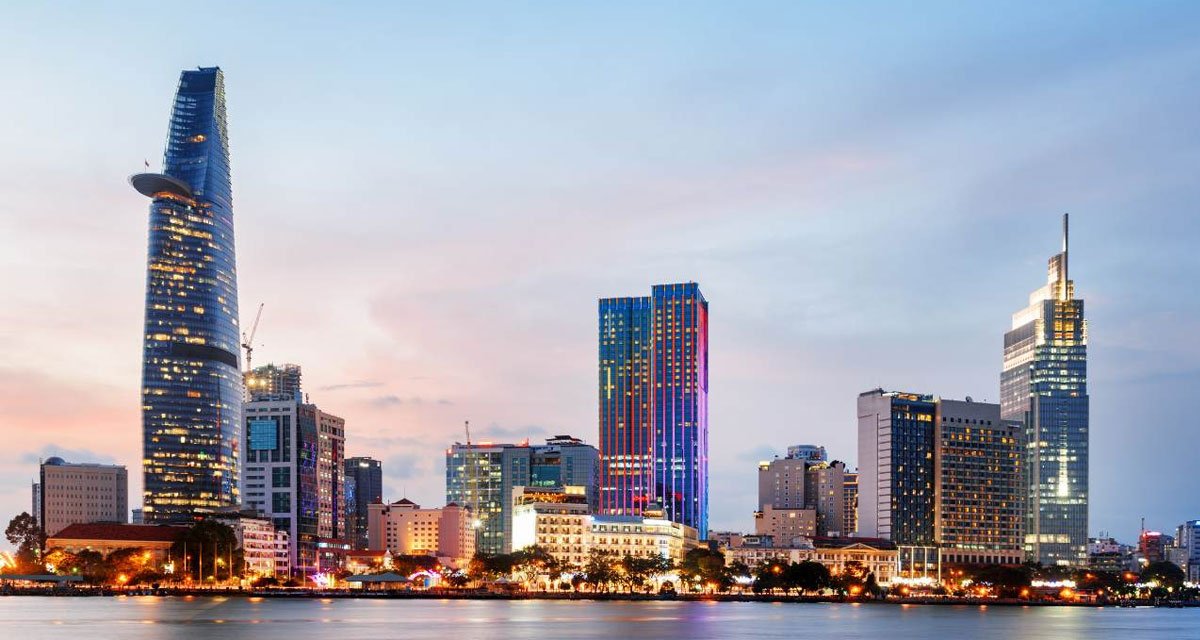
Relocating to Southeast Asia is an exciting career milestone for many international professionals. The region offers a dynamic blend of rapid economic growth, vibrant cultural experiences, and modern infrastructure. From the bustling financial districts of Singapore to the expanding commercial hubs of Vietnam and Thailand, the professional opportunities are vast. However, moving across the world requires more than just booking a flight and packing a suitcase. Securing suitable accommodation is often the most significant logistical hurdle for expatriates. Between understanding unfamiliar local tenancy laws and selecting the right neighbourhood, careful preparation is absolutely essential to ensure a smooth, stress-free transition.
Understanding Regional Market Dynamics
Before committing to a long-term lease, it is important to grasp the current state of the property market in your destination. The Asia-Pacific region has seen a robust recovery and expansion in recent years, making it a highly competitive landscape for premium housing. According to a recent Asia Pacific market outlook by CBRE, the region continues to demonstrate economic resilience. Investment volumes and leasing activity are expected to strengthen significantly, ensuring that demand for quality corporate housing remains robust.
This competitive environment means that the best properties are often snapped up quickly by eager tenants. Expatriates should begin their property search several months in advance, keeping a close eye on currency fluctuations and local inflation rates, which can impact rental budgets. Whether you are browsing luxury condominiums in Singapore or evaluating homes for rent in Bangkok, engaging with local real estate agents who specialise in corporate relocations can provide a distinct advantage. These professionals often have access to unlisted properties and understand the specific, high-standard needs of international executives. They can also offer invaluable insights into how different districts align with various lifestyle preferences, from family-friendly suburbs to lively downtown areas.
Navigating the Legalities and Paperwork
Every country in Southeast Asia has its own distinct set of property laws, and foreign tenants must navigate these carefully to avoid costly mistakes. Unlike your home country, the standard lease terms, deposit requirements, and tenant protection regulations can vary drastically. In some jurisdictions, landlords require a minimum of a one-year lease, alongside several months of rent upfront as a security deposit. It is crucial to be financially prepared for these initial outlays, which can sometimes equate to half a year’s rent before you even collect the keys.
Before signing any binding agreements, you should ensure your broader finances are in solid order. Learning how to effectively manage your portfolio and international assets is just as crucial as paying close attention to local guarantor requirements and the legal nuances of lease negotiation. Ensure that your contract includes a diplomatic clause if possible. This vital provision allows you to break the lease with minimal financial penalties if your employer suddenly transfers you to another country. Additionally, always conduct a thorough walk-through and document the property’s condition with photographs prior to moving in. This small but significant step will protect your initial deposit when the tenancy eventually concludes and prevents unwarranted deductions for pre-existing damage.
Finding the Ideal Base for Your Lifestyle
Selecting the right property involves balancing proximity to work, access to reputable international schools, and the availability of modern lifestyle amenities. Major business hubs in the region offer a wide variety of living arrangements, from high-rise luxury condominiums to fully serviced corporate apartments designed specifically for transient professionals. Serviced apartments often provide a brilliant middle ground for those wanting the comforts of a hotel combined with the privacy of a residential home.
When viewing potential properties across major regional capitals, you should evaluate the lifestyle benefits that come with the building. Consider creating a checklist of non-negotiable features to streamline your decision-making process. The goal is to find a space that supports your well-being and allows you to recharge after long days at the office.
Key amenities to look for include:
- Proximity to public transport: Easy access to mass transit systems can significantly reduce daily commute times in notoriously congested cities.
- On-site facilities: Fully equipped fitness centres, swimming pools, and dedicated co-working spaces add considerable value to your daily routine.
- Security measures: Look for properties that offer round-the-clock security personnel, secure access cards, and comprehensive CCTV coverage for total peace of mind.
- Management support: Responsive, English-speaking property management can resolve maintenance issues swiftly and efficiently, bridging any potential language barriers.
Building a Foundation in a New Country
Establishing a comfortable home base is the very first step toward a successful international assignment. By thoroughly researching regional market trends, understanding your legal rights as a tenant, and prioritising the right lifestyle amenities, you can effectively mitigate the common stresses of relocation. Taking a methodical, well-planned approach to securing your accommodation allows you to focus your energy on what truly matters, which is excelling in your new professional role and enjoying the rich, diverse cultural experiences that Southeast Asia has to offer. With the right preparation, your new residence will quickly feel like a true home away from home, setting the stage for a fulfilling chapter abroad.