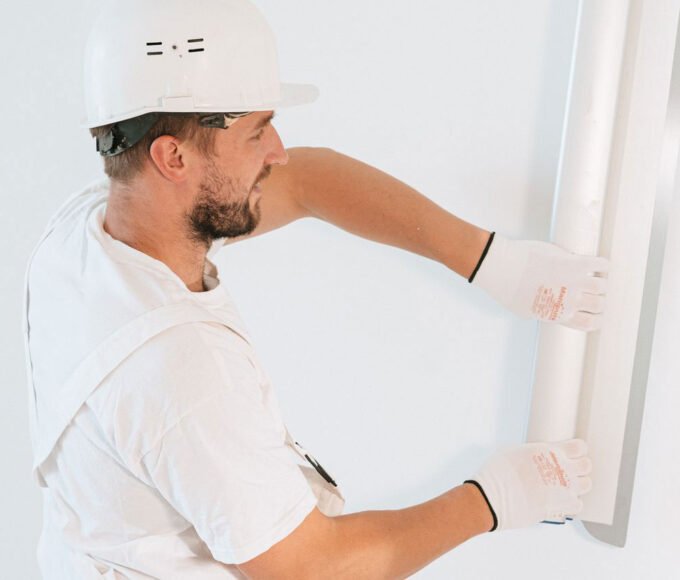




Preparing a home for the market is more effective when guided by clear priorities instead of random upgrades. Strategic pre-listing improvements help sellers attract more qualified buyers, shorten time on the market, and support stronger offers. The goal is to enhance value without overspending, using data and practical steps that apply across both the United States and Canada.
Below is a detailed guide outlining improvements that consistently influence buyer decisions, along with realistic recommendations supported by industry research.
1. Start With an Objective Property Assessment
The first step is identifying what the home truly needs. Sellers often focus on projects they personally like, but buyers respond to universal appeal and perceived value.
A full assessment should include:
• Structural condition
• Mechanical systems
• Functional issues
• Cosmetic updates
• Curb appeal
• Neighbourhood comparables
Many homeowners work with a top local real estate agent to evaluate the home against similar properties currently listed or recently sold. This helps establish which improvements will create measurable impact instead of unnecessary expense.
Objective inspections matter. In both countries, pre-listing home inspections are increasingly used to detect issues such as aging roofs, electrical concerns, plumbing wear, and insulation gaps. Addressing these early prevents negotiation delays and improves buyer confidence.
2. Prioritize High-ROI Interior Improvements
Data from American and Canadian resale markets show that certain interior upgrades consistently influence buyer decisions more than others. The focus should be on cost-effective improvements with broad appeal.
Fresh Paint
Neutral paint colours remain one of the simplest and highest-ROI upgrades. Studies from major real estate associations show that homes with updated interior paint often sell faster. Light, neutral tones such as off-white, beige, or soft grey make spaces appear larger and more modern.
Flooring Updates
Worn carpet, damaged hardwood, and uneven tile reduce buyer interest. Replacing or refinishing flooring can produce a strong return because it improves the entire visual impression of the home. Sellers who cannot replace flooring can invest in professional cleaning and minor repairs to improve appearance.
Lighting and Fixtures
Buyers respond to bright, well-lit spaces. Swapping outdated fixtures for modern options helps unify the home visually. LED bulbs provide better illumination and energy efficiency, which appeals to cost-conscious buyers.
Kitchens and Bathrooms
Full renovations are expensive and rarely necessary before listing. Instead, focus on targeted updates such as:
• Replacing old faucets
• Updating cabinet hardware
• Refreshing caulking and grout
• Refinishing cabinets instead of replacing them
• Installing modern light fixtures
• Repairing cracked tiles
These small improvements modernize high-traffic spaces without the cost of full renovation.
3. Improve Curb Appeal to Increase First Impressions
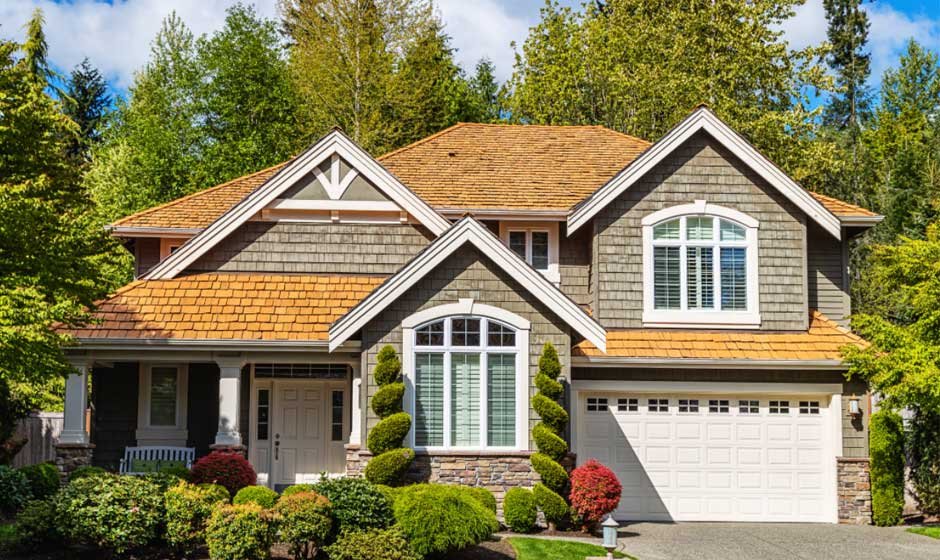
Buyers form impressions within seconds of viewing a property. Research from real estate institutions in both countries indicates that homes with strong curb appeal can sell for several percent more than comparable homes with weak exterior presentation.
Landscaping
Simple landscaping improvements have a high impact. Well-trimmed shrubs, fresh mulch, clean pathways, and maintained lawns help buyers perceive the home as well cared for. In colder climates, ensure walkways are clear and exterior surfaces are clean.
Exterior Cleaning
Power washing siding, decks, and driveways removes built-up dirt that can make a home look older. This low-cost step often creates a noticeable improvement.
Entryway Enhancements
Updating the front door, installing modern house numbers, or adding lighting can improve perceived value. The entryway signals how the rest of the home has been maintained.
4. Declutter, Depersonalize, and Optimize Layout
Interior presentation strongly affects buyer perception of space and function. Most buyers have difficulty visualizing potential, so a clean, neutral, and organized environment helps them imagine living in the home.
Decluttering
Removing unnecessary items increases visible square footage. Storage spaces should be partially emptied to show capacity. Excess furniture should be removed to improve flow.
Depersonalizing
Family photos, collections, and personal décor items can distract buyers. The objective is to create a balanced environment that feels warm but not overly customized.
Staging Principles
Home staging ranges from DIY adjustments to hiring professionals. Effective staging highlights the strengths of each room. Common approaches include:
• Rearranging furniture for better traffic flow
• Adding neutral artwork
• Using fresh linens and simple décor
• Ensuring every room has a clear purpose
Staging has documented effectiveness. Industry reports from both the U.S. and Canada show staged homes frequently sell faster and may receive more competitive offers.
5. Make Energy Efficiency Improvements
Energy efficiency matters to a growing share of buyers. Homes with better insulation, efficient windows, and updated HVAC systems often command stronger interest.
Simple Efficiency Solutions
- Weatherstripping
• Programmable thermostats
• LED lighting
• Low-flow kitchen and bathroom fixtures
These upgrades are relatively inexpensive and appeal to buyers seeking long-term savings.
Larger Efficiency Investments
Some improvements, such as upgraded windows or better insulation, offer long-term benefits but require a higher cost. Sellers should compare their property to the competition before selecting large investments.
6. Repair Before Replacing
Repairing functional issues is often more cost-effective than full replacement. Examples include:
• Fixing minor roof damage
• Repairing door hardware
• Re-grouting tile
• Repainting cabinets instead of replacing them
• Patching drywall
A home free from obvious defects signals responsible maintenance and helps avoid inspection-related price reductions.
7. Determine When Not to Renovate
Not every improvement creates value. Sellers should avoid high-cost upgrades that do not match the neighbourhood or buyer expectations. Over-improving can lead to poor ROI, especially if the home will be compared with more modest local listings.
Luxury upgrades only help when the neighbourhood supports luxury pricing. Sellers should focus on broad-appeal improvements unless the market specifically justifies higher-end renovations.
8. Present the Home Accurately and Professionally

High-quality listing photos and accurate descriptions improve online visibility. A clean, well-lit property photographs better and attracts more clicks on listing platforms.
Professional photographers use wide-angle lenses and controlled lighting to highlight rooms properly. In both American and Canadian markets, strong digital presentation is one of the most influential factors in generating showing requests.
Strategic pre-listing improvements help sellers create stronger first impressions, minimize negotiation issues, and justify higher offers. A targeted approach grounded in buyer expectations produces better results than random upgrades. By prioritizing essential repairs, practical aesthetic updates, and efficient presentation, sellers in the United States and Canada can position their homes competitively in any market conditions.