



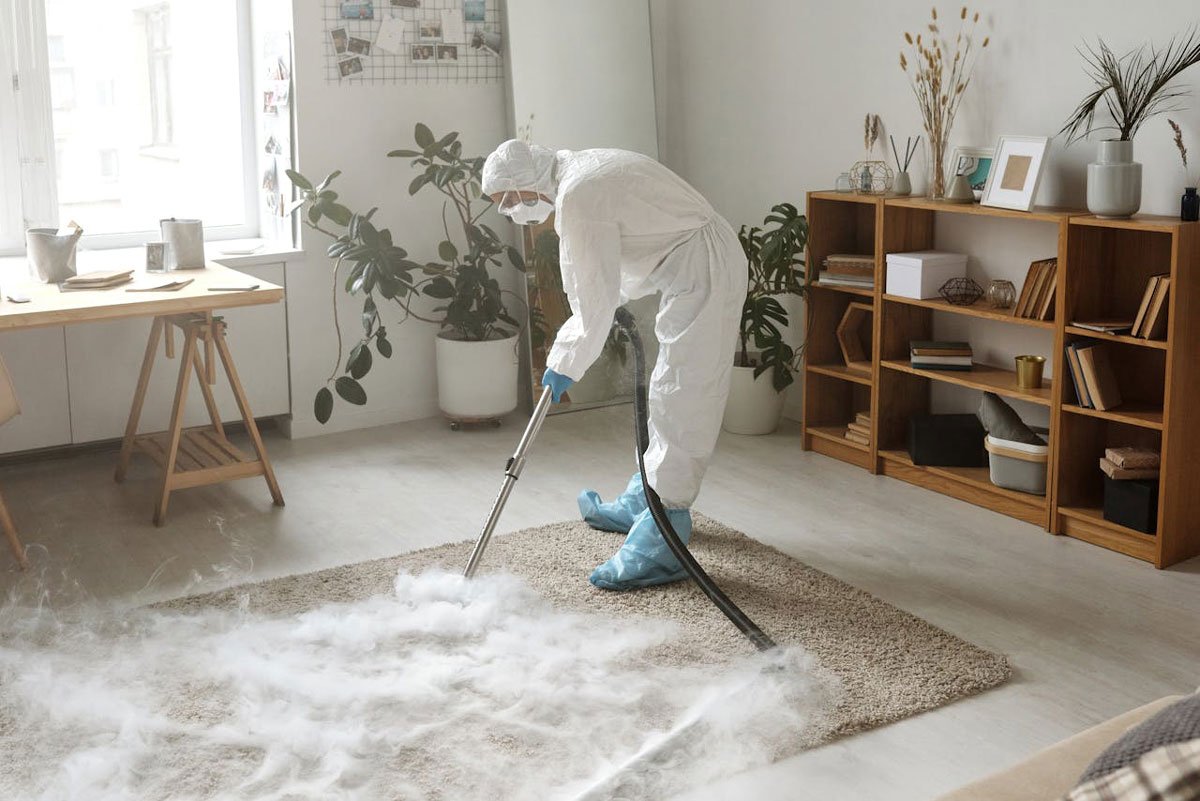
Homes are designed to protect families from environmental hazards, but contamination can develop silently when unsafe substances infiltrate the living space. Decontamination becomes necessary when harmful materials such as mold, bacteria, chemicals, or sewage residues compromise indoor safety. Many homeowners are unaware of contamination until health symptoms or visible damage appear. By the time clear signs are noticed, the issue may already be widespread. Understanding the warning signs helps prevent long‑term health risks and expensive structural damage. Prompt action protects both occupants and property value. Knowing when decontamination is required allows homeowners to respond decisively and responsibly.
Persistent Unusual Odors Inside the Home
One of the earliest and most common indicators that a home may need decontamination is the presence of lingering odors. Musty, sour, or chemical smells that do not disappear with routine cleaning may point to mold growth, bacteria, or chemical residue. These smells can originate from walls, flooring, HVAC systems, or hidden cavities where contamination thrives. Odors often become stronger in humid conditions or when ventilation is limited. Air fresheners may temporarily mask the smell, but they do not address the underlying cause. Odors that persist for weeks or return after cleaning should never be ignored. Unexplained smells are often the first sign of a deeper contamination issue.
Recurring Health Symptoms Without a Clear Cause
Health symptoms can be an important warning sign of environmental contamination in the home. Frequent headaches, nausea, fatigue, coughing, sneezing, skin irritation, or respiratory discomfort may worsen when indoors. Family members may notice that symptoms improve when they leave the house and return shortly after coming back. Children, elderly individuals, and those with asthma or autoimmune conditions are especially sensitive to poor indoor air quality. Prolonged exposure to contaminants can worsen existing conditions or trigger new health problems. When multiple household members experience similar symptoms, environment‑related causes should be investigated. Health patterns are often key indicators that decontamination may be necessary.
Visible Mold Growth or Surface Residue
Visible signs of mold or residue strongly suggest the need for professional evaluation. Mold can appear as discolored patches in shades of black, green, white, or brown. It may be found on walls, ceilings, baseboards, window frames, or beneath sinks. Residue left by fire damage, sewage backups, or chemical spills may also contaminate surfaces. Peeling paint, bubbling drywall, or warped materials often indicate moisture‑related contamination beneath the surface. Even small visible patches may signal a more extensive problem behind walls or flooring. Surface cleaning does not eliminate contamination within materials. Visible growth or residue should prompt immediate professional assessment.
History of Water Damage, Flooding, or Sewage Exposure
Homes with a history of water damage are at higher risk of contamination. Floods, burst pipes, appliance leaks, roof failures, or sewage backups can introduce bacteria, mold spores, and other contaminants. Even after visible water is removed, moisture can remain trapped in insulation, subfloors, and wall cavities. Repairs that focus only on cosmetic damage often leave underlying contamination untouched. Sewage exposure, in particular, introduces hazardous pathogens that require specialized decontamination procedures. Past water events may cause contamination months or years later. Any history of water intrusion increases the likelihood that professional decontamination is required.
Changes in Building Materials or Structural Integrity
Contamination often affects the physical condition of building materials. Flooring may begin to feel soft, warped, or uneven due to prolonged moisture exposure. Walls may develop cracks, discoloration, or weakened sections. Wood framing can deteriorate silently, compromising structural integrity. Ceiling tiles may sag or crumble if contaminated by moisture or bacteria. Carpeting may retain odors or stains even after cleaning. These material changes are often gradual and overlooked until damage becomes severe. Structural shifts indicate contamination may already be impacting the home.
Problems With Indoor Air Quality or HVAC Systems
Indoor air quality issues frequently accompany home contamination. Dusty conditions, respiratory discomfort, or musty air can signal that contaminants are circulating through the home. HVAC systems can distribute spores, bacteria, or residual chemicals throughout every room. Mold growth inside vents, drip pans, or ductwork is particularly concerning. If air filters become clogged or smell unpleasant quickly, contamination may be present. Odors coming from vents are another red flag. Restoring air quality often requires professional decontamination of HVAC components.
Pest Infestations Linked to Moisture Issues
Excess moisture that leads to contamination can also attract pests. Increased activity from insects such as cockroaches, silverfish, or ants may indicate damp conditions supportive of contamination. Rodents often seek shelter in moist areas like crawl spaces or wall cavities. Pest presence alone does not confirm contamination, but it often accompanies it. Where water damage exists, mold or bacterial growth frequently follows. Addressing pests without correcting moisture problems may only solve part of the issue. Pest activity combined with other signs strengthens the case for decontamination.
Failed or Repeated Cleaning Efforts
Repeated cleaning efforts that fail to resolve odors, discoloration, or symptoms suggest deeper contamination. Household cleaners can remove surface grime but cannot address harmful substances embedded in porous materials. Temporary improvement followed by recurring problems points to unresolved sources. Improper cleaning techniques may even spread contamination further. Persistent problems indicate that a more thorough approach is required. Professional decontamination addresses both visible and hidden contaminants. Failure of repeated cleaning is a key signal that expert intervention is needed.
Professional Testing Confirms Contamination
When warning signs are present, professional testing provides clear answers. A Toronto restoration company can conduct air quality testing, surface sampling, and moisture mapping to assess contamination levels. Testing helps identify the type, location, and severity of contaminants. Accurate assessment ensures that decontamination is targeted and effective. Professional evaluation prevents unnecessary demolition and avoids incomplete cleanup. Testing results guide safe restoration plans. Professional confirmation is essential before major remediation steps are taken.
Why Prompt Decontamination Matters
Delaying decontamination increases health risks and repair costs significantly. Contaminants can spread through building materials and air systems over time. Early intervention limits exposure and prevents structural deterioration. Professional decontamination restores safety and indoor comfort more efficiently when addressed early. Waiting often leads to larger remediation projects and extended displacement. Swift action also protects property value and resale potential. Timing plays a crucial role in successful recovery.
Conclusion
Home contamination can develop silently, making awareness of warning signs essential. Persistent odors, health symptoms, material changes, and moisture history all indicate potential danger. Surface cleaning alone rarely resolves underlying contamination. Professional testing confirms whether decontamination is necessary. Acting early reduces health risks, repair costs, and long‑term damage. Decontamination restores safety, comfort, and peace of mind. Knowing the signs empowers homeowners to protect their homes and families effectively.