


What makes participants remember a charity run long after the event ends? Often, it is the medal they wear around their neck. A well-designed medal serves as both a tangible reward for participation and a lasting symbol of the cause supporters helped advance. Creating unique medals for a charity event requires thoughtful planning across design, materials, and production. Understanding your options helps you produce medals that participants will treasure and display proudly.
1. Define Your Design and Messaging
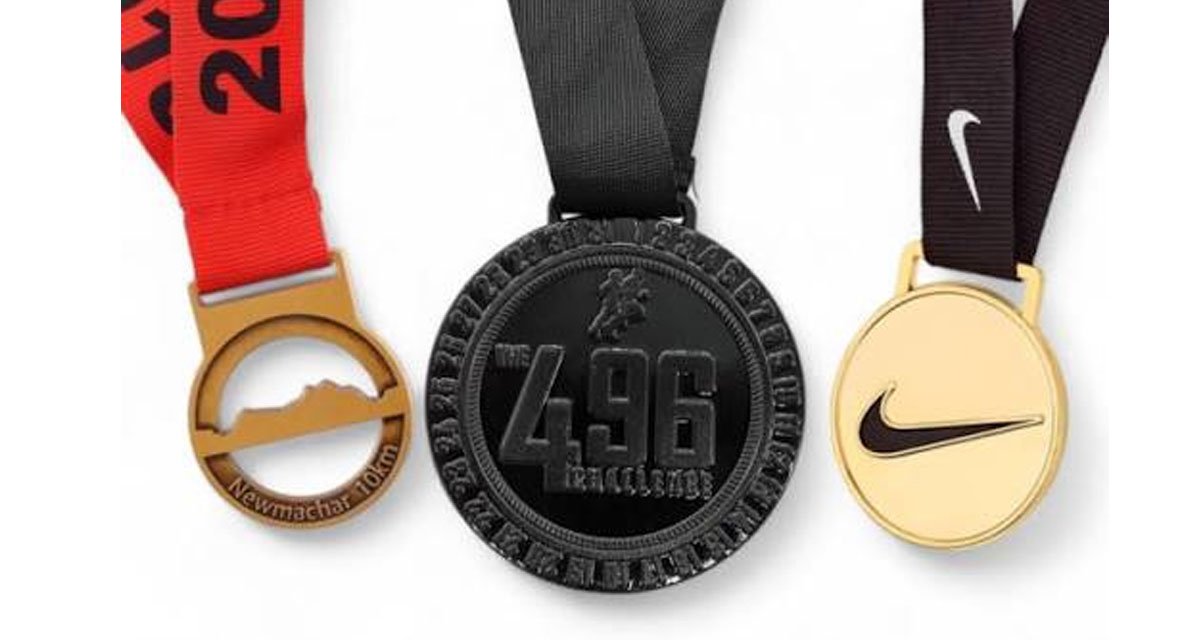
The design of your medal sets the tone for your entire event and communicates your charity’s values to participants. Begin by considering what imagery, symbols, or text best represents your cause. A cancer awareness charity might incorporate ribbons or hopeful symbols, while an environmental organization might feature nature-focused graphics. Your design should be distinctive enough to stand out among typical medals but simple enough to be recognizable when viewed from a distance.
When incorporating messaging, keep text minimal and impactful. Include your charity’s name, the event year, and perhaps a brief motivational phrase or the event name itself. Participants often photograph their medals for social media, so legible text becomes part of your marketing reach. Consider the medal’s shape as well, since circular medals are traditional, but custom shapes such as stars, ribbons, or sports-related icons can make your medals more memorable. Working with a designer who understands charitable branding ensures your medal reinforces your organization’s identity while celebrating participant achievement.
2. Choose Your Medal Size and Material
Medal dimensions affect both cost and impact. Standard medals typically range from 1.5 to 3 inches in diameter, with 2 to 2.5 inches being a popular choice that balances presence with comfort during wear. Larger medals create a more impressive visual impact but increase production costs and shipping weight. Smaller medals are budget-friendly but may feel less rewarding to recipients.
Material selection determines durability, cost, and the overall feel of the medal. Zinc alloy is the most economical choice and works well for events with large participant numbers. Brass medals offer a warmer appearance and better perceived quality without significantly higher costs. For premium events or smaller runs, aluminum or even precious metals are worth considering if the budget allows. The ribbon or lanyard matters equally, since cotton ribbons are affordable and customizable with your logo, while satin ribbons feel more luxurious. Some charities select ribbon colors that match their branding or the cause they support.
3. Work with a Reliable Production Partner
Selecting the right manufacturer ensures quality execution and on-time delivery. Start by researching companies that specialize in custom medal production for events, and request samples or portfolios showing previous work. Pay attention to detail quality, color accuracy, and finish consistency, and look for clear information about lead times, setup fees, and per-unit costs at various quantities. Event organizers who need to honor hundreds of participants with meaningful keepsakes often rely on custom running medals to deliver consistent quality, professional finishes, and branding that reflects the spirit of their cause.
Communication with your production partner is critical. Provide detailed design files in the format they request, typically high-resolution digital artwork. Discuss specific finishes such as antique plating, gloss coating, or matte finishes, and ask about proofing options so you can review a sample before full production begins. Confirm minimum order quantities, as some manufacturers have thresholds that affect pricing. Building a strong relationship with your manufacturer now can benefit future events, since they will already understand your charity’s needs and preferences.
4. Set Your Budget and Production Timeline
Medal costs vary considerably based on quantity, materials, and customization level. For a small local run with 100 to 500 participants, expect to spend between 2 to 8 dollars per medal depending on material and complexity. Larger events with 1,000 or more participants often negotiate lower per-unit costs. Factor in design consultation fees, setup charges, rush delivery fees if applicable, and ribbon costs, which can add 50 cents to several dollars per medal depending on material and customization.
Starting your medal planning at least two to three months before your event allows time for design refinement, sampling, and production without rush charges. Most manufacturers need four to six weeks for standard production once artwork is approved. Building in buffer time protects against unexpected delays or design revision requests. Some charities begin medal planning even earlier, using the previous year’s event to gather feedback and ideas. Creating a production timeline with clear milestones helps keep the project on track and prevents last-minute stress.
5. Enhance Your Medals with Custom Packaging
The unboxing experience creates an emotional moment that extends beyond the event day. Simple clear bags with printed labels work for large runs, but custom packaging elevates the perceived value of what participants receive. Small branded boxes, seed paper pouches, or cloth bags leave stronger impressions and encourage social media sharing. Sustainable packaging options, such as recycled materials or plantable paper, align with many charitable values and resonate with environmentally conscious participants.
Packaging also provides another branding opportunity. Include a card explaining the medal’s design elements and what they represent for your cause, and share the charity’s mission or highlight impact statistics from previous events. This contextual information transforms a medal from a decorative object into a meaningful keepsake. The additional investment in thoughtful packaging often yields returns through word-of-mouth promotion and participant loyalty to future events.
Conclusion
Creating unique medals for charity runs and fundraisers involves balancing creativity, budget considerations, and practical production requirements. By clearly defining your design message, selecting appropriate materials and sizes, partnering with experienced manufacturers, and planning your timeline carefully, you ensure medals that participants will wear with pride. Adding thoughtful packaging completes the experience and extends your charity’s impact beyond the event itself. These medals become tangible symbols of community support and commitment to your cause, reminding participants of their contribution long after the run concludes.