



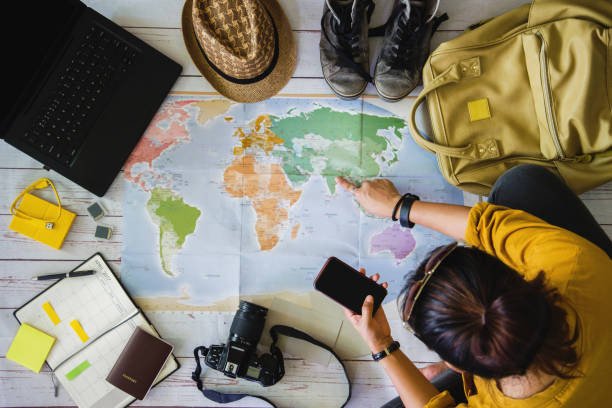
I used to think trip planning meant spreadsheets and countdown apps, so for years I skipped it completely. Then I stood at a gate in Lisbon, rebooking a missed connection, watching the new fare come in at almost double what I’d paid for the original ticket.
That’s the trip that changed how I approach travel planning now. It isn’t about controlling every hour of a trip. It’s about catching the small decisions that quietly cost you money later, before they cost you anything at all. Here’s what I’ve picked up, some of it the expensive way.
The Travel Budget Conversation I Should Have Had With Myself Sooner
For a long time, my “budget” was just the flight price plus the hotel price added together, and I called it a day. Then I landed in Cancún and got hit with a resort fee nobody mentioned at checkout, plus a taxi from the airport that cost more than I’d spent on lunch that whole week.
Now I split every trip budget into two lists before I book a thing:
- Fixed costs: flights, lodging, visas, travel insurance
- Flexible costs: food, activities, getting around, the souvenirs I always swear I won’t buy
I also pad the total now. Something always comes up, a delayed flight that turns into an unplanned airport hotel, or a “free” walking tour that very much expects a tip at the end. That little cushion has saved more than one trip from feeling like a financial emergency.
Timing Taught Me a Lesson About Flight Prices I Didn’t Want to Learn
I once booked the same route to Rome twice, a year apart, and paid almost 40 percent more the second time simply because I waited until three weeks out instead of two months. That gap stuck with me, and it’s the first thing I check now in any trip planning I do.
What I’ve noticed about flight booking windows
Domestic flights, in my experience, are cheapest somewhere between a few weeks and a couple of months before departure, then the price climbs fast in that last stretch. International routes have rewarded me for booking even earlier, since the lower fare tiers seem to open up well ahead of the date.
Shoulder season travel won me over completely
My first trip to Rome was in July. It was beautiful and also miserable, shoulder to shoulder with tourists at every corner and priced like it. I went back in late October, during shoulder season, and paid less for a nicer hotel with actual breathing room at the Colosseum. I haven’t planned a peak-season trip since if I can help it.
How I Actually Compare Flight Prices Now
For years I’d open one airline’s app, see a number, and just book it, assuming that was the going rate. It almost never is. Fares shift by time of day, by the airline’s own pricing logic, and by which connecting airports even show up in the search.
Checking two or three different booking sites before I commit has been genuinely handy for comparing flight prices on Kupi.com, since one airline’s page will only ever show me its own inventory, never a competitor’s better deal or a smarter route through a different hub.
I also used to believe clearing my cookies would trick the algorithm into a lower fare. It doesn’t work that way. Prices move with demand and seat availability, not because a website noticed I looked twice.
Where I Book Flights and Tickets These Days
I still book direct with an airline when the schedule is simple, mostly because it’s easier if something changes later. But for anything with a connection or an odd routing, I’ve started leaning on aggregators instead.
Direct flights Chicago — Madison is one I’ve used for exactly this, since it lets you mix airlines across a connecting itinerary in a way a single carrier never would. I do read the fare rules first, though. A mixed-airline ticket doesn’t always come with the same protection a single-airline booking would if the first leg runs late and I miss the second.
What I Check Before Booking a Trip to a New Destination
I learned this one from packing wrong, more than once. Preparing for a swim in the Dead Sea is nothing like preparing for a few days near Bangkok’s MRT line, even if I booked both trips in the same week off the same laptop.
Before I lock in any dates now, I run through:
- Passport validity and visa rules for that country
- What the weather is actually doing during my travel window
- Any vaccination or health advisories worth knowing
- How I’m getting from the airport to where I’m staying
I check the U.S. State Department’s international travel site for this now, ever since a passport that had “plenty of time left” turned out to be four months short of what one country required.
Trip Planning Mistakes I’ve Made More Than Once
A few of these I’ve repeated, which is a little embarrassing to admit:
- Booking at the last minute out of pure procrastination and paying for it
- Not checking baggage fees until checkout, when the “cheap” fare stopped being cheap
- Skipping travel insurance on a trip that was entirely nonrefundable
- Assuming my passport was fine without actually checking the date
- Forgetting how fast taxis and transit add up in an expensive city
None of these took much effort to avoid. I just wasn’t looking for them until they’d already cost me something.
Quick Answers to Trip Planning Questions I Get Asked a Lot
How far in advance should I book a flight?
For domestic trips, I’ve had the best luck booking one to three months out. For international trips, I start looking four to six months ahead, since fares tend to open at their lowest tier early and climb from there.
Is travel insurance actually worth the cost?
For anything with nonrefundable flights or hotels, yes. I’ve only needed to use it twice in a decade of travel, but both times it covered far more than the premium cost.
What exactly is shoulder season?
It’s the stretch just before or after a destination’s busiest travel months. Crowds thin out, prices drop, and the weather is usually still decent. For Rome, that’s April to May or late September through October.
What I’d Tell My Younger Traveling Self
I don’t plan every hour of a trip anymore, and I don’t think that’s the point. I just run through a short list before I confirm anything, instead of finding out the hard way after I’ve landed. It’s a small habit, but good trip planning has bought me calmer travel and noticeably smaller bills more times than I can count, and at this point, I don’t book anything without it.