



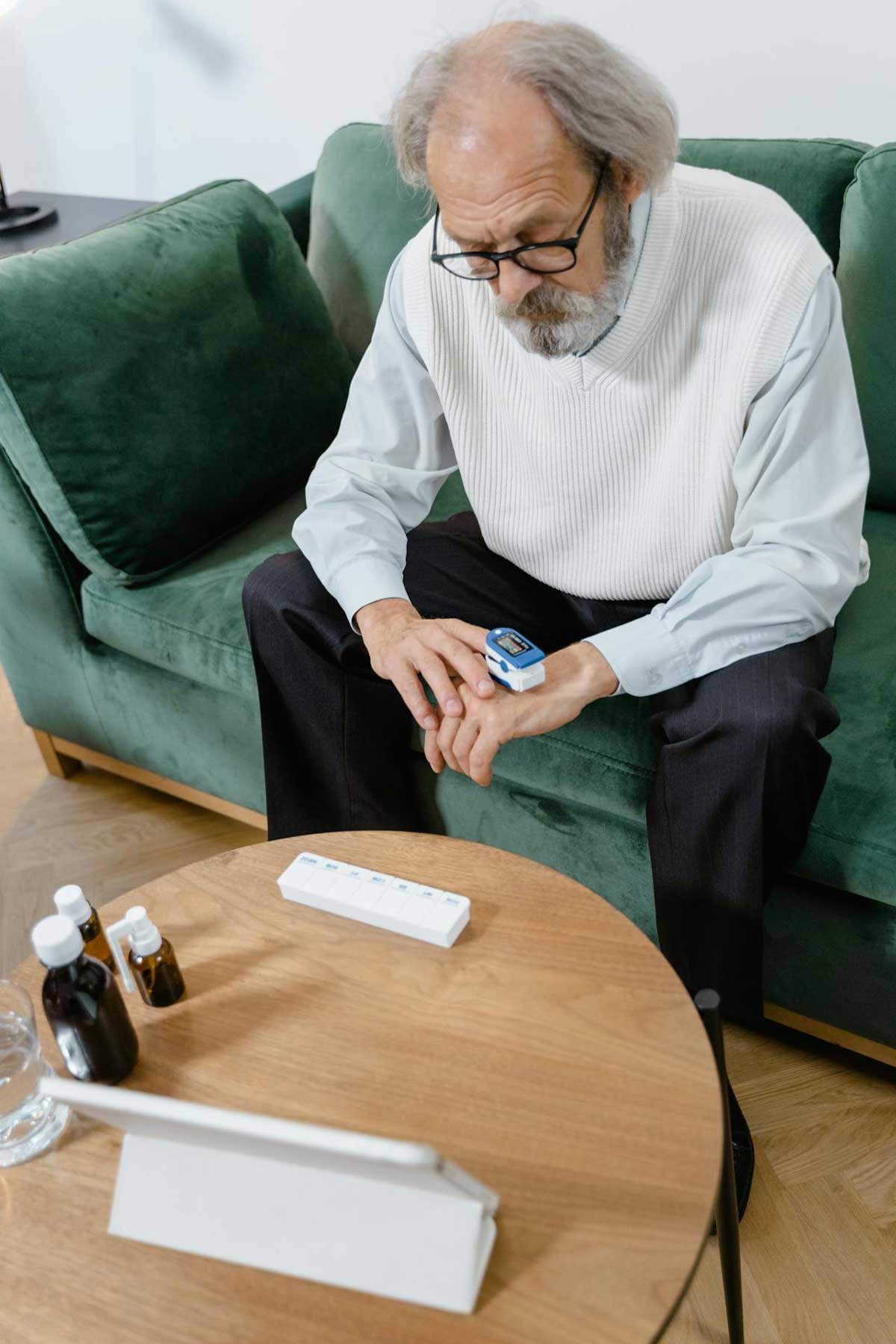
A mesothelioma diagnosis changes your day-to-day life, but you can still take steps to boost your health alongside medical care. By paying attention to what you eat, staying active, managing symptoms, taking care of your mental health, and getting trustworthy info, you can become more resilient and improve your quality of life. The goal isn’t to be perfect, but to build habits that work for you and match your energy levels.
Work With Your Care Team
Begin with a clear plan and talk often with your doctors. Know your treatment schedule, what side effects to expect, and what signs mean you need help right away. Ask for connections to diet experts, physical therapists, breathing specialists, social workers, and comfort care pros. Working together with your care team helps you feel better and adjust your approach as things change.
Create a Wholesome Eating Plan
Cancer treatments can change how food tastes and how well you digest it. Focus your meals on proteins without much fat, bright veggies, whole grains good fats, and plenty of water. If big meals seem too much, try eating smaller amounts more often. Drinks you can blend hot liquids, and snacks high in calories can help you get enough energy when you don’t feel like eating much. If it’s hard to swallow or you have heartburn, ask to see a speech expert or stomach doctor. Keep track of foods that make you feel good and those that make symptoms worse, and change your diet with help from a pro.
Get Your Body Moving
Even a little activity can boost your mood, help you feel less tired, and support your lungs. Try short walks, easy stretches, elastic bands, or exercises you can do while sitting. Talk to your doctors about what’s best for you if you’re recovering from surgery, have chest tubes, or need oxygen. Lung rehab programs can show you breathing tricks to help when you’re short of breath. Begin with small steps, take it slow, and be proud of your progress.
Manage Symptoms
You can control many symptoms if you act. To ease breathing problems, try breathing exercises, change how you sit, and pace yourself. For pain relief, ask about different options like medicines, nerve blocks, or other therapies. Deal with nausea using prescribed anti-sickness drugs and smart meal timing. To fight tiredness, focus on good sleep habits. Keep a daily record of your symptoms to help your care team adjust your treatment.
Support Mental And Emotional Well-Being
Being unsure can wear you down. To cope in healthy ways, try things like mindfulness talking to a counselor, joining support groups, or expressing yourself through art or writing. Keep in touch with your loved ones. Think about adding small meaningful habits to your day, like stretching in the morning writing down what you’re thankful for, or spending time outside. Taking care of your emotions is just as crucial as medical care for your overall health.
Create A Sustainable Daily Routine
Structure calms us. Mix essential tasks with rest periods. Group errands on days when you feel energetic and keep slow days light. Set alerts for medicines and drinking water. Keep what you need close to reduce effort. If you still work, talk about flexible options. Clean up your space and make safe paths at home to lower fall risks and save energy.
Use Information
The internet can teach or confuse. Focus on a few sources that help you find mesothelioma resources about treatments ongoing studies, diet tips, and support groups. Ask your doctors to suggest trusted groups and patient guides who can explain hard topics and show you services you might get.
Lean On Your Support Network
Your friends and family want to help. Tell them specific ways they can pitch in, like making meals, giving rides, or going with you to appointments. If you live by yourself, think about setting up regular check-ins. Religious and community groups can offer more encouragement and hands-on help.
Reassess And Adjust Over Time
Your needs will change. Look at your goals with your care team every few weeks and tweak your plan. Small boosts in comfort or energy make a difference. Be nice to yourself when things get tough and keep in mind that health shifts, it’s not a fixed point.
Conclusion
You can live well with mesothelioma when you combine medical care with everyday strategies to nourish yourself, move your body, control symptoms, get emotional support, and find trustworthy information. By taking steady doable steps and adjusting as your needs shift, you can safeguard your well-being and keep up your quality of life.