


A furnace that fails in mid-winter is more than an inconvenience. In much of the USA and Canada, it can quickly become a safety issue, especially for older adults, kids, or anyone with health conditions. The good news is that most winter breakdowns are preventable. A small set of maintenance habits can reduce repair costs, improve efficiency, and extend equipment life. This guide walks through those habits in a practical, step-by-step way for both gas and electric forced-air furnaces.
1. Start With a Simple Pre-Season Inspection
Before cold weather arrives, do a short inspection. You are looking for obvious issues that can turn into expensive repairs later.
What to check:
- Air intake and exhaust vents:Make sure outdoor intake or exhaust pipes are clear of leaves, snow, nests, or debris. Blocked vents can trigger safety shutoffs or cause poor combustion.
- Visible corrosion or soot:Rust around the burner area or dark soot marks near the furnace can indicate improper combustion or venting issues.
- Loose electrical connections:With the power off, look for wires that appear frayed or scorched. Do not touch or tighten anything you are unsure about.
- Unusual noises:Rattling, grinding, or high-pitched squealing often point to a failing blower motor or belt.
If you notice soot, a strong gas smell, or repeated shutdowns, stop using the furnace and contact a licensed HVAC technician.
2. Change Filters on a Schedule
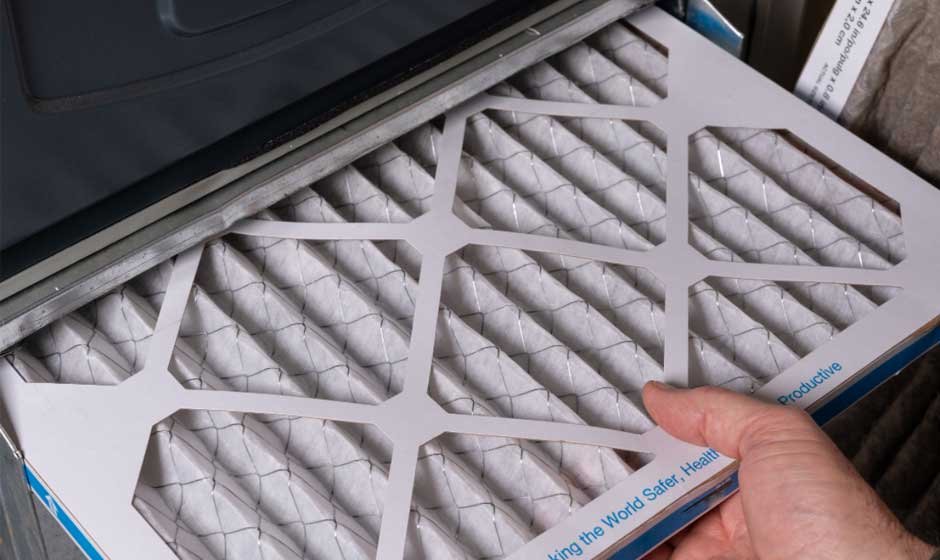
A clogged filter is one of the most common causes of furnace strain and breakdown. It restricts airflow, overheats the heat exchanger, and increases blower wear. This leads to higher energy bills and more frequent repairs.
Best practice for filter changes:
- Standard 1-inch filters:Every 1 to 3 months during heating season.
- Pleated high-efficiency filters (MERV 8-11):Often every 2 to 3 months, but check monthly if you have pets or allergies.
- Thicker 4 to 5-inch media filters:Typically every 6 to 12 months.
How to do it right:
- Turn the furnace off.
- Slide out the old filter.
- Note the airflow arrow on the frame and match it when inserting the new filter.
- Write the date on the filter edge as a reminder.
Using a filter that is too restrictive for your system can also cause problems. If your furnace is older or struggles with airflow, avoid very high MERV ratings unless your technician confirms compatibility.
3. Keep Registers and Returns Clear
Even with a clean filter, airflow can be restricted by blocked vents. This increases heat exchanger temperature and can cause premature shutdowns or cracks.
Habits that help:
- Keep supply registersopen and unobstructed. Avoid placing rugs, furniture, or curtains over them
- Make sure return air grillesstay clear. Returns pull cooled air back to the furnace. Blocking them can starve the system of air and raise repair risk.
- Vacuum dust from grilles and nearby floor areas a few times each season.
In multi-story homes common in both countries, airflow balance matters. If one floor is consistently colder, check that dampers are set correctly or ask a technician for a balancing adjustment.
4. Clean the Furnace Area and Manage Dust
Dust buildup inside and around the furnace draws moisture and can create overheating or ignition problems. A clean mechanical area also reduces fire risk.
Weekly or monthly habits:
- Keep at least 3 feet of clearance around the furnace.
- Do not store paint, gasoline, or cleaning chemicals nearby.
- Vacuum around the base of the unit and the nearby floor to reduce dust intake.
- If your furnace room is unfinished, consider sealing large gaps or adding a door sweep to limit debris from entering from storage spaces.
When arranging professional servicing, choose a licensed, insured provider. If you are comparing options, look for the top furnace repair company in your area based on verified reviews and proper certifications.
5. Check Your Thermostat and Cycling Behavior
Thermostat issues and short cycling often precede breakdowns. Short cycling means the furnace turns on and off repeatedly in short bursts. It increases ignition wear, fuel use, and blower stress.
What to do:
- Replace thermostat batteries before winter.
- Confirm program settings match your schedule to avoid unnecessary run time.
- Watch for short cycles. If it runs for only a few minutes at a time, common causes include dirty filters, blocked vents, a failing flame sensor, or overheating.
Smart thermostats can help by tightening temperature control, but they are not a cure for mechanical issues. If cycling remains abnormal after filter and airflow checks, it needs a professional diagnosis.
6. Test Safety Systems: Carbon Monoxide and Shutoffs
Gas furnaces produce combustion byproducts. A poorly vented or malfunctioning furnace can release carbon monoxide (CO), an odourless, dangerous gas.
Safety steps for USA and Canada:
- Install CO detectors on every floor and near bedrooms.
- Test detectors monthly and replace batteries twice a year.
- Replace detectors according to the manufacturer’s life limits, usually 5 to 10 years.
Many winter calls happen because a safety sensor shuts the furnace down, which is better than running unsafely. Treat a CO alarm or repeated safety shutoff as urgent.
7. Schedule Professional Maintenance Once a Year
Some HVAC maintenance is not DIY. Annual professional servicing catches issues early and keeps warranties valid. In cold climates, doing this in early fall helps avoid emergency rates later.
A standard service usually includes:
- Cleaning burners and checking combustion quality.
- Inspecting the heat exchanger for cracks.
- Testing the ignition system and flame sensor.
- Measuring airflow and temperature rise.
- Lubricating moving parts where applicable.
- Checking venting and condensate systems on high-efficiency units.
This visit often costs far less than a mid-season repair. It also improves fuel efficiency, which matters when winter utility bills are high.
8. Protect the System During Extreme Weather
Winter conditions in both countries can create special risks.
Outdoor venting in snow zones:
- After heavy snowfall, confirm intake and exhaust pipes are not buried.
- Keep a small clearance zone around vent outlets.
Power issues:
- Storm-related power surges can damage control boards. A whole-home surge protector or furnace-specific surge device can reduce that risk.
- If outages are common, a properly sized backup power solution can prevent plumbing freeze-ups and avoid damage to furnace controls from repeated hard restarts.
9. Know the Early Warning Signs
Catching problems early is the cheapest repair strategy.
Common warning signs:
- Rising gas or electricity bills without a change in weather.
- Rooms are heating unevenly after airflow checks.
- Persistent burning smell beyond the first few seasonal run cycles.
- Yellow or flickering burner flame instead of a steady blue on gas units.
- Water is pooling near a high-efficiency furnace, indicating condensate drain issues.
- Excessive dust blowing from vents, suggesting duct leaks or filter bypass.
If you notice these patterns, address them before the furnace is under peak winter stress.
10. Keep Records and Plan for Replacement
Maintenance reduces repair costs, but furnaces do not last forever. Most forced-air furnaces last roughly 15 to 20 years with good care, sometimes longer in mild climates. If repairs are becoming frequent, track costs. A helpful rule is to consider replacement when a major repair approaches 30 to 50 percent of the cost of a new unit, especially if the furnace is near the end of its life.
Keeping a maintenance log also helps technicians diagnose recurring issues quickly and can support warranty claims.