



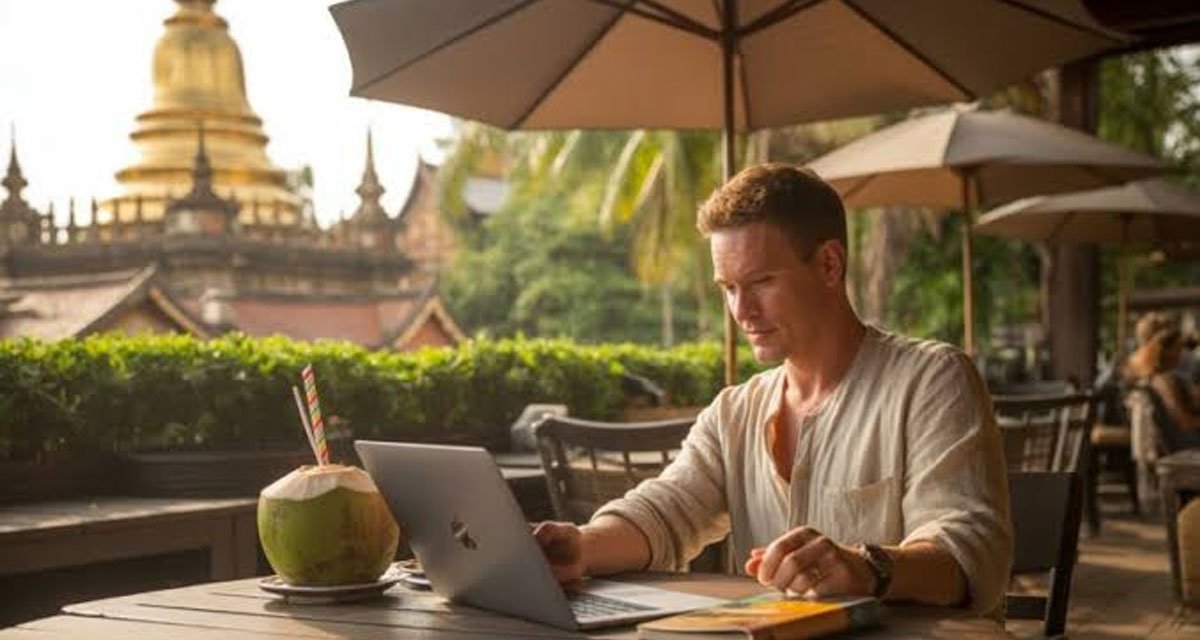
The landscape of corporate travel has fundamentally shifted. Gone are the days of sterile itineraries where professionals shuttle back and forth between airport terminals and windowless boardrooms. Today, the rise of bleisure travel (the seamless blending of business obligations with leisure time) is transforming how global organisations approach off-site meetings. Nowhere is this transformation more visible than in Southeast Asia, where dynamic cultural hubs are redefining the modern corporate retreat.
The Data Driving the Bleisure Boom
The shift towards blended travel is backed by compelling numbers. Market research by Mordor Intelligence values the global bleisure travel market at a staggering figure in 2026, identifying the Asia-Pacific region as the fastest-growing sector. Much of this growth is concentrated in Thailand, a country uniquely positioned to offer world-class hospitality alongside robust corporate infrastructure. As companies look to incentivise their workforce after years of disrupted travel, destinations that can double as holiday spots have become highly sought after.
Recent statistics released by the Thailand Convention and Exhibition Bureau highlight a powerful post-pandemic resurgence in the regional meetings industry. In fact, reports show a 42% rise in overseas business event travellers choosing Thailand, highlighting a strong momentum for international summits. The influx of international delegates speaks volumes about the region’s ability to cater to sophisticated business demands while simultaneously offering an unparalleled tourist experience.
The Agoda 2026 Travel Outlook Report further supports this trend, noting that a vast majority of business travellers visiting the country are eager to extend their stays for personal downtime. With figures like these, event planners are rapidly adjusting their strategies to accommodate delegates who expect a more holistic travel experience. They are learning that treating a corporate trip merely as an obligation is no longer sufficient.
Upgrading the Corporate Venue Experience
To successfully host a modern summit, organisers must move away from traditional corporate constraints. Attendees now expect locations that offer the best of both worlds. A typical day might begin with high-level strategy sessions, but the evenings are strictly reserved for vibrant street food tours, cultural excursions, or relaxing spa visits. It is this balance that makes a corporate retreat truly memorable.
This dual demand makes venue selection the most critical part of event planning. When securing a conference room in Bangkok, planners must look beyond basic seating capacity and standard catering. The ideal space must feature state-of-the-art digital infrastructure and connectivity to support global broadcasts, while simultaneously being situated in a dynamic lifestyle district. Choosing a venue in an accessible area like Sathorn or Sukhumvit means attendees have the city’s best leisure options right on their doorstep.
Being close to city attractions allows attendees to transition smoothly from daytime professional duties to evening leisure activities. Furthermore, global travel consultancies note that duty of care remains a top priority in 2026, meaning all selected venues must meet rigorous international safety standards and offer exceptional on-site support.
The Impact on Employee Engagement and Retention
Integrating leisure into professional travel is not just a perk for employees. It is rapidly becoming a core strategy for talent retention in a highly competitive job market. Companies are finding that providing opportunities for authentic local experiences helps to significantly reduce employee burnout. Some global firms have even modernised their travel policies to allow staff to use negotiated corporate hotel rates for personal holiday days, adding significant value to their overall compensation package.
Finding the right balance requires a deep understanding of the destination. As highlighted in guides to navigating corporate travel in Thailand, choosing a well-connected base in central Bangkok ensures attendees do not waste their valuable free time sitting in traffic. A thoughtfully chosen location minimises logistical headaches and maximises the potential for both productivity and relaxation.
By allowing teams to explore the city’s rich heritage or relax at world-class wellness centres after a demanding day of workshops, businesses foster a more engaged and motivated workforce. Employees return from these blended trips feeling valued and refreshed, rather than exhausted from back-to-back boardroom sessions.
Key Strategies for 2026 Event Planners
As Southeast Asia continues to adapt to the bleisure trend, regional developers are launching new hospitality brands tailored specifically for blended trips. For those organising upcoming corporate retreats, several vital factors should guide the planning process:
Prioritise Transit Connectivity: The Thai government recently expanded direct public transit links to all major convention centres, making cross-city navigation easier than ever. Planners should select venues within walking distance of these transport hubs.
Incorporate Wellness Programmes: Initiatives like the recent “Meet Well in Thailand” campaign unite local service providers to offer exclusive deals on team wellness activities. Incorporating mindfulness sessions or spa days into the agenda can drastically improve attendee satisfaction.
Maintain Duty of Care: Despite the relaxed atmosphere of a bleisure trip, corporate travel management companies stress that digital security and physical safety must remain paramount when vetting off-site locations.
Plan Flexible Agendas: Ensure the itinerary includes optional free blocks. Allowing attendees to choose between a guided local tour or private downtime ensures everyone can recharge at their own pace.
The evolution of corporate events in Southeast Asia proves that professional growth and personal enrichment are no longer mutually exclusive. By embracing the bleisure trend and selecting venues that support both high-stakes meetings and high-quality downtime, companies can create truly memorable and impactful international summits.