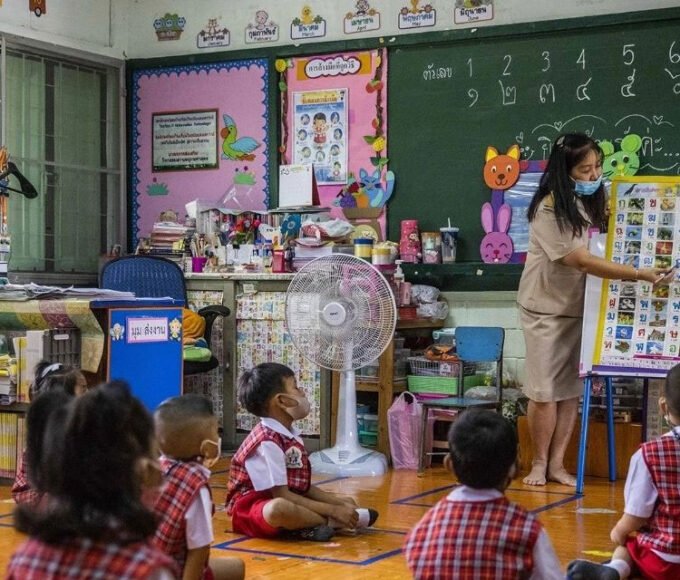




When families consider where to send a child for secondary or tertiary education abroad, the conversation usually centres on rankings and reputation. But to truly study in New Zealand (this is commonly referred to as เรียนต่อนิวซีแลนด์ in Thai) is to encounter a system that is structured quite differently from most, and those differences are not cosmetic. They reflect a genuine philosophy about how young people learn best, what education is for, and how qualifications should reflect a student’s actual abilities rather than a single high-pressure examination.
A Qualification System Built Around Progress
Most countries assess secondary students through one defining set of exams at the end of their school career. New Zealand takes a different approach through its National Certificate of Educational Achievement, known as NCEA. Students accumulate credits across three levels throughout Years 11, 12, and 13, with assessments spread across the year through a combination of internal coursework and external examinations.
This means a student’s qualification reflects a sustained body of work rather than a snapshot of performance on one particular morning. For students who learn at varying paces, or who struggle with exam anxiety but perform strongly in coursework, this structure can be genuinely life-changing.
What the Classroom Culture Actually Looks Like
New Zealand schools operate on a set of principles that prioritise independent thinking, creative problem-solving, and collaborative learning. A few things that stand out for international students:
Teachers are addressed by first name, which signals a more collaborative relationship between educator and student.
Cross-subject projects are common, encouraging students to draw connections between disciplines rather than treating each subject as an isolated silo.
Student voice is taken seriously. School councils, peer-led programmes, and student feedback mechanisms are embedded into school culture, not just tokenistic additions.
Practical and vocational learning sits alongside academic pathways with equal respect, so students are not steered exclusively towards university if their strengths lie elsewhere.
The International Recognition Factor
NCEA is recognised by universities in New Zealand, Australia, the United Kingdom, and increasingly across Asia and North America. Students who complete Year 13 with strong NCEA results have a well-understood, internationally portable qualification.
For students who prefer an alternative pathway, many New Zealand schools also offer Cambridge International qualifications or the International Baccalaureate, giving families a genuine choice about which framework best suits their child’s academic goals.
The Size Advantage
New Zealand schools tend to have smaller class sizes than those in comparable systems. This is not a minor detail. Smaller classes mean teachers can identify individual learning needs more quickly, intervene earlier when a student is struggling, and build the kind of mentoring relationship that makes a measurable difference to outcomes.
Your New Zealand Education Starts Here
Learning Curve is a Thailand-based consultancy with deep expertise in placing students into New Zealand secondary schools. The team understands both the Thai educational context and the New Zealand system inside out, which means the guidance families receive is specific, honest, and genuinely useful. Reach out to the Learning Curve to begin planning a pathway that fits your child.