


Commercial real estate development is currently navigating a complex landscape. Property owners and developers face mounting pressures from rising material costs, labor shortages, and increasingly unpredictable weather patterns. Retail centers, industrial warehouses, and mixed-use facilities require vast, adaptable square footage, placing unique demands on builders. Traditional construction methods often struggle to meet these demands without inflating budgets or extending timelines. As a result, many investors are turning to alternative construction methods to protect their portfolios and ensure reliable returns. One of the most significant shifts in recent years is the growing reliance on prefabricated steel buildings for commercial projects.
Streamlined Construction and Accelerated ROI
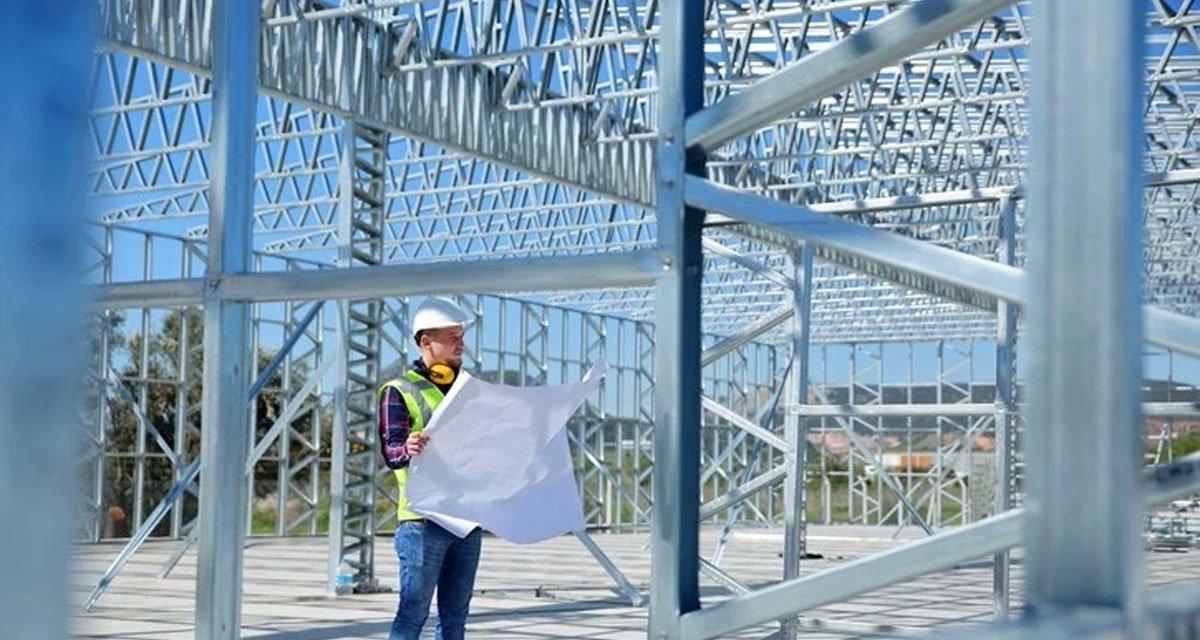
Time is money in commercial real estate. Every month a project spends in the construction phase is a month without rental income or operational utility. Prefabricated metal structures arrive at the job site pre-engineered, cut, and ready to assemble. Because the components are manufactured to precise specifications off-site, local crews spend less time troubleshooting and more time erecting the frame.
When developers work with experienced suppliers like Atlantic Steel Structures, they can leverage custom-engineered kits that streamline the entire building process. This rapid assembly method allows property owners to compress their development timelines, reducing holding costs and accelerating the path to generating a return on investment. Whether a project involves retail spaces, logistics hubs, or agricultural facilities, the speed of steel construction offers a distinct competitive advantage in a tight market.
The Financial Case for Weather Resilience
A primary concern for modern real estate investors is the long-term durability of their assets. Environmental factors play a direct role in overhead costs, operational stability, and overall valuation. According to a recent report by the Brookings Institution, buildings in high-risk locations face severe financial harms, including rising insurance premiums and potential declines in property values. This economic reality makes investing in physical resilience not just an environmental choice, but a strict financial necessity.
Whether dealing with heavy snow loads in northern climates or hurricane-force winds along the coasts, commercial developers must prioritize construction methods that can withstand severe weather events without requiring constant repairs. Steel offers a level of structural integrity that traditional wood framing simply cannot match. This gives property owners incredible peace of mind and protects their investments against unforeseen climate-related liabilities.
Key Advantages for Commercial Properties
The shift toward metal buildings is driven by practical benefits that directly impact a property manager’s bottom line. Beyond sheer speed and durability, prefabricated construction offers several unique advantages for commercial real estate development:
- Flexible Floor Plans: Steel framing allows for clear-span interiors without load-bearing walls or intrusive support columns. This provides maximum usable space and makes it incredibly easy to reconfigure layouts for future tenants.
- Lower Maintenance Costs: Unlike wood or masonry, metal does not rot, warp, or attract pests like termites. This drastically reduces the annual maintenance budget required to keep the property in top condition.
- Energy Efficiency: Modern metal buildings are designed to accommodate high-performance insulation systems seamlessly. This minimizes heating and cooling costs, creating a more attractive space for cost-conscious commercial tenants.
- Sustainability: Steel is highly recyclable and leaves a minimal waste footprint on the job site. Developers focused on green building certifications can leverage metal construction to reduce the environmental impact of their projects while appealing to eco-minded investors.
Future-Proofing Real Estate Portfolios
As the commercial real estate sector continues to evolve, adaptability and longevity will remain key markers of a successful property investment. The initial cost savings of prefabricated structures are highly appealing, but the true value is realized over decades of continuous use. Tenants are increasingly looking for facilities that provide security, layout flexibility, and low utility overhead. A well-constructed metal facility meets these demands effortlessly, making the property much easier to lease out in a competitive market.
The demand for durable, efficient, and cost-effective commercial spaces will only increase in the coming years. Prefabricated steel buildings offer a practical, proven solution that satisfies the needs of both property owners and their occupants. By reducing construction timelines and providing superior structural resilience, metal construction is fundamentally changing how the real estate industry approaches new development.