


Relocating to a new country is a monumental life event. For expatriate families moving to vibrant, bustling hubs in Southeast Asia, securing the right educational foundation for young children is often the single most important priority. The early primary years, specifically for children aged five to seven, set the stage for lifelong learning and personal development. During this critical window, a highly rigid academic approach can sometimes overwhelm young minds that are already coping with culture shock. Instead, many progressive international schools are embracing play-based learning to foster resilience, curiosity, and adaptability. For example, parents often seek out a Key Stage One Curriculum Bangkok that pairs the rigour of the English National Curriculum with hands-on, exploratory activities to ease this crucial transition.
The Science Behind Meaningful Play
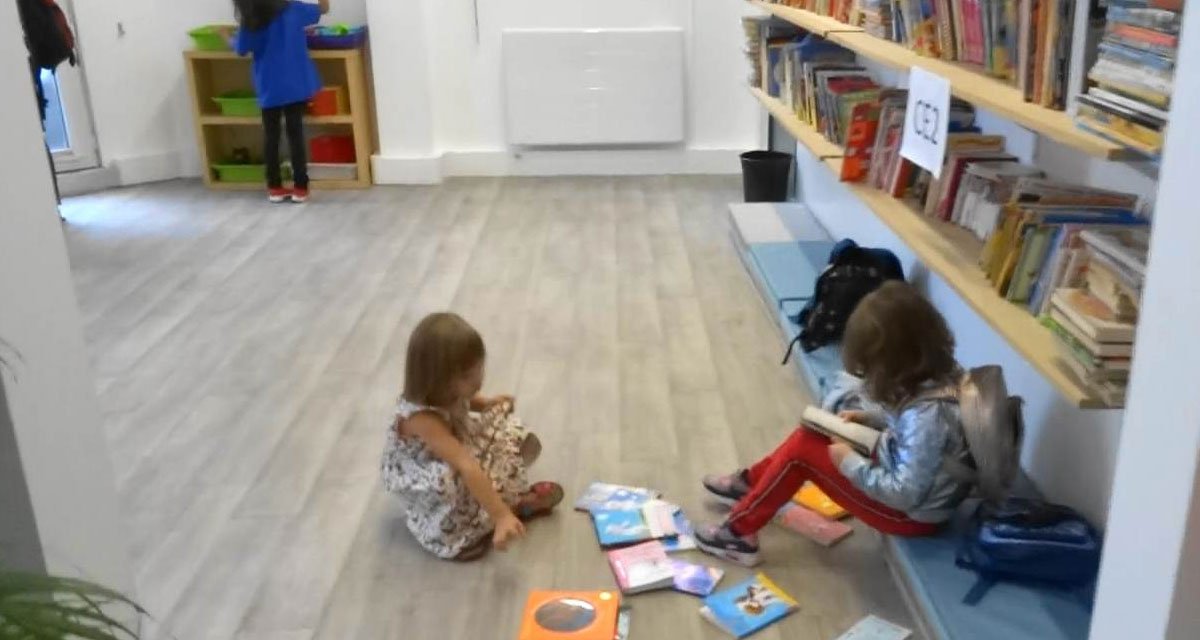
It is a common misconception that play is merely a break from real learning. In reality, structured and unstructured play forms the bedrock of early cognitive and physical development. When evaluating international schools, parents should look for programmes that actively integrate play into their daily academic routines rather than sidelining it as an afterthought.
The academic consensus strongly supports this pedagogical approach. According to the Encyclopedia on Early Childhood Development, there is substantial evidence showing that active breaks help young children concentrate better at subsequent sedentary tasks, while sociodramatic play allows them to understand the intent of others and develop sophisticated language constructions and storylines. These interactive experiences allow young learners to experiment, test boundaries, solve complex problems, and build essential social skills in a supportive, low-stakes setting.
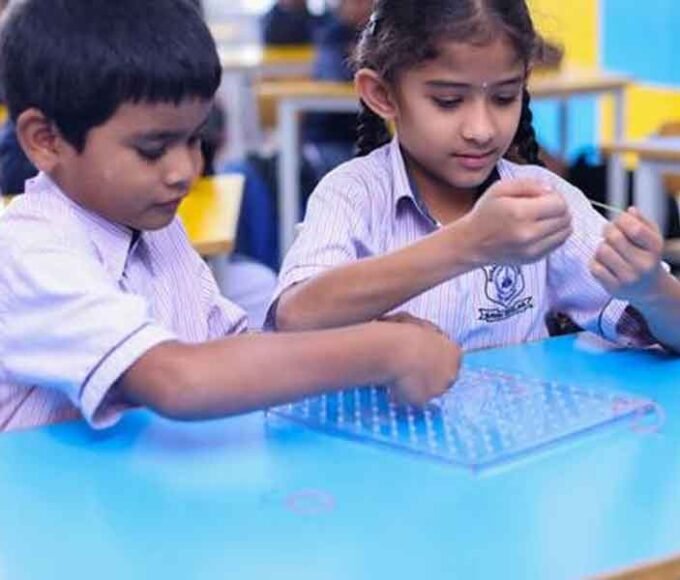
Furthermore, play inherently demands a level of physical coordination and muscular control that desk-based learning simply cannot provide. Educators acting as facilitators can gently guide these play sessions to ensure specific learning objectives are met, such as introducing early numeracy and literacy concepts, without making the process feel like work. This balance is crucial for maintaining a child’s natural enthusiasm for discovery.
Creating an Emotionally Safe Environment
Expatriate children face unique emotional hurdles. Leaving behind familiar surroundings, extended family members, and established friendships can induce significant anxiety, no matter how exciting the new destination may seem. Therefore, a school must serve as more than just an academic institution. It needs to function as a nurturing, reliable community that prioritises pastoral care.
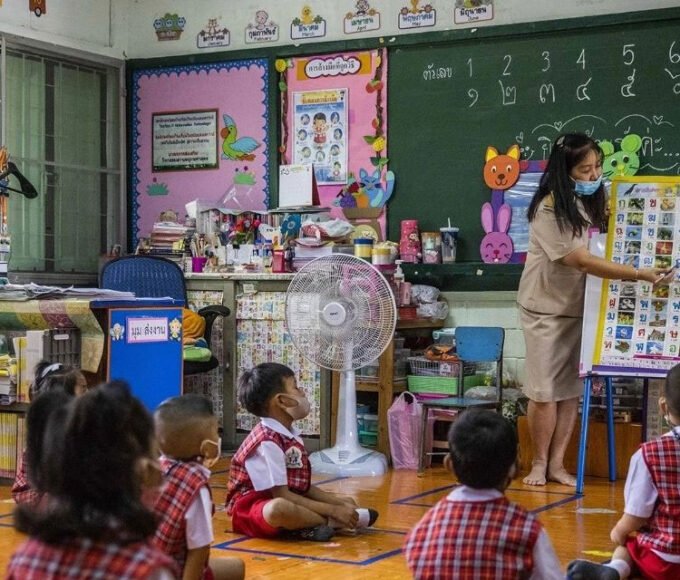
The physical and emotional design of a classroom plays a pivotal role in how quickly a child adapts to their new life abroad. Insightful research exploring how an emotionally safe learning environment and infrastructure shape student success highlights that clear routines and welcoming spaces significantly reduce fear. When a child feels secure and valued, their affective filter lowers. This emotional safety net allows them to absorb new information, take intellectual risks, and form cross-cultural friendships with absolute confidence.
Key Factors to Consider When Choosing a School
Choosing the right primary school from afar can feel overwhelming, but focusing on a few core elements can simplify the complex decision-making process. When touring campuses or speaking with admissions teams online, expat parents should carefully evaluate the following criteria:
- Balance of academics and discovery: Ensure the school does not rely entirely on rote memorisation. There should be a visible integration of hands-on activities, outdoor environmental exploration, and creative arts to stimulate different areas of the brain.
- Curriculum framework: Look for globally recognised educational standards that maintain flexibility for individual learning styles, allowing educators to adapt lessons to diverse linguistic and cultural backgrounds.
- Focus on pastoral care: The school should have dedicated support staff and clear, actionable strategies for monitoring the emotional well-being of newly arrived international students throughout their first few months.
- Inclusive classroom layouts: Physical spaces should be explicitly designed to encourage group collaboration and peer-to-peer interaction, completely moving away from traditional rows of isolated desks.
Preparing for a Successful Transition
Once a suitable school has been selected, parents can take proactive steps at home to mirror this supportive, exploratory environment. Encouraging open-ended play in the local neighbourhood, setting up casual playdates with other expatriate and local families, and maintaining consistent daily routines will help anchor a child during a period of massive life change. Familiar routines at home provide a comforting counterbalance to the novel experiences encountered at school.
The partnership between parents and early years educators is also vital. Open communication ensures that any signs of transition anxiety are caught early and addressed collaboratively. Teachers can provide tailored advice on how to reinforce classroom learning through play at home. The ultimate goal of early primary education is to instil a genuine, enduring love of learning. By prioritising educational environments that deeply value emotional safety and active discovery, expatriate parents can turn the daunting prospect of international relocation into a deeply enriching chapter of their child’s educational journey.