


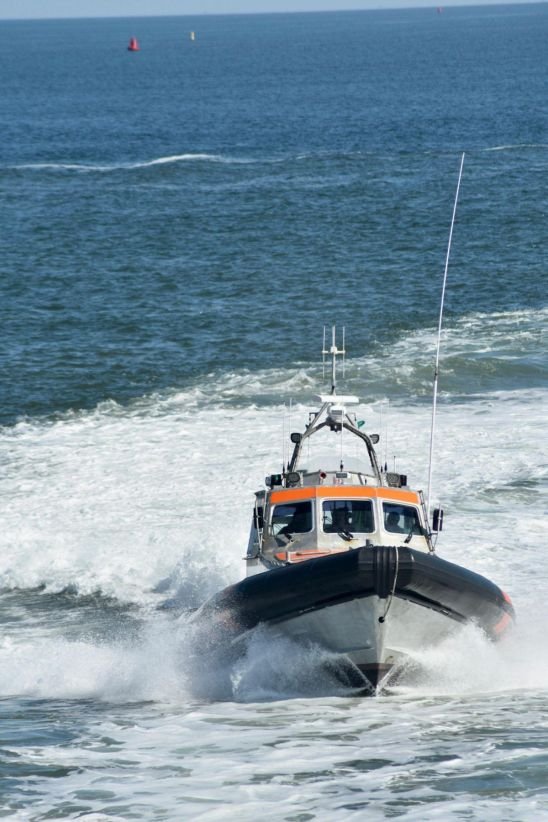
When navigating the demanding waters of the Southern Ocean or crossing a treacherous coastal bar, your safety and comfort depend entirely on the engineering beneath your feet. For serious anglers, the hull is not just a shell; it is a complex hydrodynamic tool that dictates how a vessel interacts with energy.
Leading aluminium boat manufacturers in Australia focus heavily on hull geometry because it is the single most important factor in a vessel’s performance, affecting everything from how much you spend at the fuel pump to how steady you stand while reeling in a trophy catch.
What Is Boat Hull Geometry and Why Does It Matter for Performance?
In maritime engineering, hull geometry refers to the specific shape, angles, and curves of a boat’s underwater hull. This design is the primary determinant of how a boat displaces water and handles resistance. For those scouting for a new vessel, understanding “deadrise,” the angle of the V-shape at the transom, is essential.
A deep-V hull is designed to slice through waves, providing a soft ride. However, a traditional deep-V can be unstable when stationary. To combat this, elite Australian engineering involves a variable deadrise design.
This features a very sharp entry at the bow to cut through waves, which then transitions to a more stable section at the rear. This geometry ensures the boat doesn’t “bang” or “slap” against the water, protecting the passengers and the boat’s structural integrity.
How Does Hull Design Affect Boat Stability in Real-world Conditions?
Stability is one of the most important factors for anglers, especially when fighting fish or moving around the deck.
Two types of stability to understand:
1. Static Stability (At Rest)
- Determines how stable the boat feels when stationary
- Important for casting, jigging, and bait fishing
Flatter hulls and wider beams provide:
- Greater balance
- Less rocking
- Better comfort while fishing
2. Dynamic Stability (Underway)
Refers to how the boat handles movement through waves
Deep-V hulls provide:
- Better control in rough water
- Reduced slamming
- Improved tracking in swell
Key takeaway:
- Flatter hull = better at-rest stability
- Deep-V hull = better offshore stability
Choosing the right balance depends on where you fish most often
How Hull Shape Influences Speed and Acceleration On The Water
Hull design directly impacts how efficiently a boat moves.
-
Planning vs displacement hulls:
Most fishing boats use planing hulls, which rise and skim across the water at speed.
How hull shape affects speed:
- Deep-V hulls: Require more power to plane
- Provide smoother high-speed performance
- Flat-bottom hulls: Plane quickly
- Achieve speed with less power
- Modified-V hulls: Offer a balance between speed and comfort
Factors influencing speed:
- Hull weight
- Surface area in contact with water
- Engine power relative to hull design
Efficient hull design ensures optimal speed without excessive engine strain.
Why Hull Design Plays a Critical Role in Fuel Efficiency
Fuel efficiency is closely linked to hydrodynamics how the hull interacts with water resistance.
Key factors affecting fuel efficiency:
- Drag (resistance between hull and water)
- Weight distribution
- Hull angle and shape
Fuel efficiency breakdown by hull type:
a) Deep-V hulls:
- Higher fuel consumption
- Better suited for offshore conditions
b) Flat-bottom hulls:
- Lower fuel consumption
- Ideal for calm waters
c) Modified-V hulls:
- Balanced efficiency
- Suitable for mixed conditions
Practical benefit:
A well-designed hull reduces fuel costs over time and extends your operational range.
What Role Does Aluminium Construction Play in Hull Performance?
Material choice significantly impacts hull behaviour. This metal is widely used by aluminium boat manufacturers in Australia due to its strength-to-weight ratio.
Advantages of aluminium hulls:
- Lightweight construction improves speed and efficiency
- High strength reduces hull flex
- Better impact resistance in harsh conditions
- Lower maintenance compared to fibreglass
Performance impact:
- Faster planing
- Improved fuel economy
- Enhanced durability offshore
Material and design work together to define overall performance.
How Does Hull Design Affect Offshore vs Inshore Fishing Performance?
Different fishing environments require different hull characteristics.
Offshore fishing requires:
- Deep-V hulls for wave penetration
- Strong structural integrity
- Higher freeboard for safety
Inshore fishing benefits from:
- Shallow draft hulls
- Greater stability at rest
- Easier manoeuvrability
Hybrid use case:
- Modified-V hulls are often chosen for anglers who fish both environments.
- Matching hull design to fishing location ensures better performance and safety.
Key Factors To Consider When Choosing The Right Hull Design
When selecting a fishing boat, evaluate these factors carefully:
- Primary fishing location (offshore vs inshore)
- Average sea conditions
- Number of passengers
- Required fuel range
- Towing and storage needs
Quick decision guide:
- Choose deep-V for offshore performance
- Choose a flat-bottom for calm water stability
- Choose modified-V for versatility
Selecting the right hull ensures long-term satisfaction and safety.
Final Thoughts on the Future of Australian Boat Design
Understanding how boat hull design impacts stability, speed, and fuel efficiency is the key to making a smart investment. As we move further into 2026, the focus from top-tier aluminum boat manufacturers in Australia remains on the “uncompromising” build vessels that refuse to trade safety for comfort. By prioritising features such as a slicing hull entry, a rigid internal skeleton, and water ballast technology, anglers can ensure their vessel is a true “Fishing Weapon.”
Investing in a hull that is aerodynamically and hydrodynamically optimised not only saves money at the petrol pump but ensures that every trip offshore is as safe as it is productive. The future of Australian angling lies in hulls that work with the ocean, not against it.