


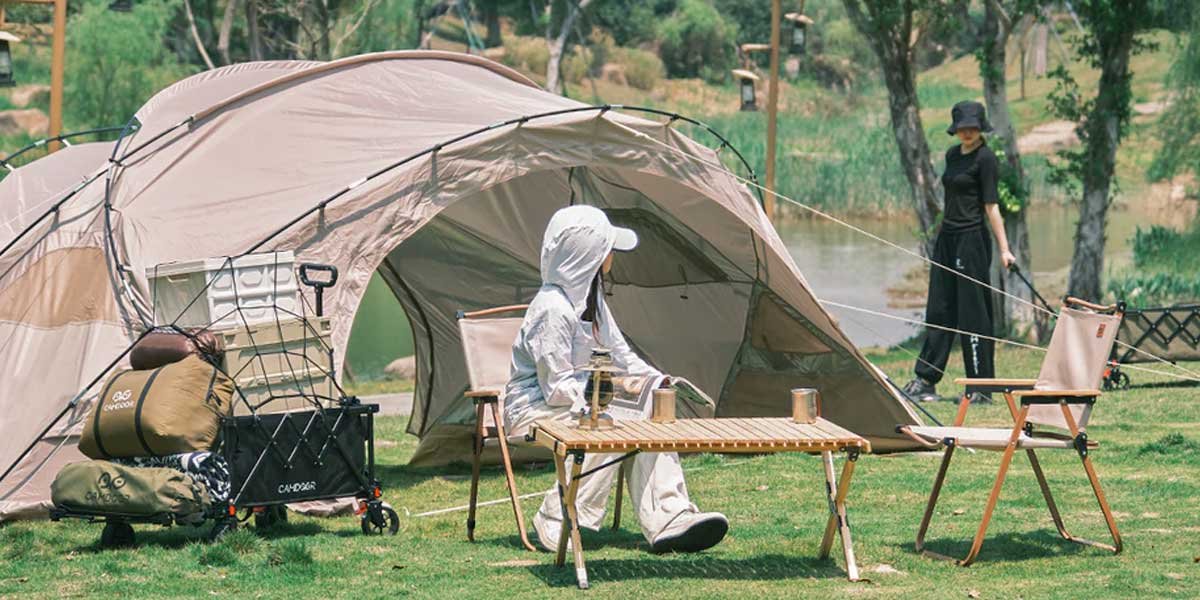
Spring camping offers a unique blend of blooming landscapes, mild daytime temperatures, and quieter campgrounds before the peak summer season begins. However, anyone who has spent a night outdoors in spring knows that the weather can shift dramatically within hours. A warm afternoon can quickly turn into a chilly evening, and clear skies may give way to sudden rain showers. Because of these fluctuations, understanding what to pack for spring camping is essential for comfort, safety, and an enjoyable outdoor experience.
This guide explores spring camping essentials specifically tailored for unpredictable weather. From layering strategies and waterproof gear to sleep systems and campsite organization, you will learn how to prepare for variable conditions without overpacking. Whether you are planning a weekend getaway or an extended trip, thoughtful preparation makes all the difference.
Essential Gear for Unpredictable Spring Weather
When it comes to camping in spring, versatility is key. Your gear should adapt easily to temperature swings, moisture, and wind. Packing strategically ensures that you stay comfortable during warm days and protected during cold nights.
Layered Clothing for Temperature Swings
One of the most important spring キャンプ必需品 is a proper layering system. Unlike summer camping, where lightweight clothing often suffices, spring requires flexibility.
Start with a moisture-wicking base layer to keep sweat away from your skin during hikes or campsite setup. Add an insulating mid-layer such as fleece or lightweight down to retain warmth in cooler conditions. Finish with a waterproof and windproof outer shell to protect against rain and gusty winds.
Layering allows you to adjust throughout the day. If temperatures rise in the afternoon, remove insulation. When the sun sets and the air cools, add layers back. This approach prevents overheating and reduces the risk of hypothermia during sudden cold snaps.
Waterproof Protection Is Non-Negotiable
Spring weather often brings rain, even in regions known for mild climates. Waterproof gear should be considered a necessity, not an optional extra.
A high-quality rain jacket with breathable fabric keeps you dry without trapping moisture inside. Waterproof pants can be invaluable during extended rain or muddy conditions. Additionally, pack extra socks and store clothing in waterproof bags to prevent dampness from ruining your trip.
Beyond clothing, consider waterproofing your campsite. A groundsheet or footprint beneath your tent helps block moisture from seeping up through the soil. Keeping your sleeping area dry significantly improves sleep quality and overall comfort.
A Reliable Shelter System
Your tent is your primary defense against unpredictable spring weather. Look for a tent with a durable rainfly and adequate ventilation. Proper airflow reduces condensation, which is common during cool nights and humid mornings.
Secure your tent with sturdy stakes and guylines, as spring winds can be stronger than expected. Position your campsite on slightly elevated ground to avoid pooling water during rainfall. Thoughtful setup can prevent discomfort and equipment damage.
Sleeping Gear for Cold Nights
Although daytime temperatures in spring may feel pleasant, nighttime conditions can drop sharply. Choosing the right シュラフ and insulation is critical.
Select a sleeping bag rated for temperatures slightly lower than expected lows. Even if the forecast predicts mild conditions, weather can change quickly. Pair your sleeping bag with an insulated キャンプマット to prevent heat loss through the ground.
Layering inside your sleeping bag can also help regulate warmth. Wearing thermal sleepwear allows flexibility if temperatures fluctuate overnight.
Footwear for Mud and Moisture
Spring trails are often wet and muddy due to melting snow or seasonal rain. Waterproof hiking boots or shoes with good traction reduce the risk of slipping and keep your feet dry. Gaiters can provide additional protection against mud and splashes.
Comfortable camp shoes are also useful for relaxing at the campsite. Having dry footwear available improves overall morale during damp conditions.
Smart Packing Strategies for Spring Camping
Packing the right items is only part of the equation. Organizing and planning for adaptability ensures that your spring camping trip runs smoothly, even when the weather does not cooperate.
Prepare for Both Sun and Rain
Spring camping requires planning for extremes. While rain protection is essential, do not forget sun protection. Clear skies can lead to strong UV exposure, especially during midday hikes.
Pack sunscreen, sunglasses, and a wide-brimmed hat. A lightweight tarp can provide shade during sunny afternoons and serve as a rain shelter when showers appear. Multi-purpose gear maximizes space efficiency while enhancing preparedness.
Manage Moisture Proactively
Moisture is one of the biggest challenges of spring camping. Damp clothing, condensation, and wet ground can quickly reduce comfort.
Bring microfiber towels to wipe down wet surfaces and dry gear. Store electronics and sensitive items in waterproof containers. Air out your sleeping bag and tent each morning if conditions allow. Consistent moisture management prevents long-term discomfort.
Keep Food and Cooking Areas Protected
Unpredictable weather can complicate meal preparation. A portable windscreen for your stove improves efficiency during breezy conditions. Keep food stored securely and dry to avoid spoilage.
Consider simple, warm meals that are easy to prepare even in cold or wet conditions. Hot drinks in the evening can significantly enhance comfort when temperatures drop.
Safety and Emergency Preparedness
Spring storms can develop quickly. Monitor weather forecasts before and during your trip if possible. Carry a fully charged power bank and a reliable flashlight or headlamp.
A basic first aid kit is always necessary, but spring campers should also include blister care supplies, as wet conditions increase friction-related injuries. Emergency blankets add a lightweight layer of protection in case of sudden temperature drops.
Maintain Flexibility in Your Itinerary
One overlooked spring camping essential is flexibility. Have backup plans in case weather conditions prevent certain activities. If heavy rain limits hiking, consider sheltered areas for relaxation or shorter trail routes.
Adapting expectations ensures that unpredictable weather does not negatively define your experience.
Conclusion: Prepare Smart, Camp Comfortably
Spring camping is rewarding precisely because it bridges the gap between winter stillness and summer adventure. Blooming landscapes, fewer crowds, and fresh air create a memorable outdoor experience. However, unpredictable weather demands thoughtful preparation.
By focusing on layered clothing, waterproof protection, reliable shelter, insulated sleeping systems, and proactive moisture management, you can confidently face temperature swings and sudden rain. Smart packing strategies, combined with flexibility and awareness, transform uncertainty into manageable adventure.
Ultimately, the key to successful spring camping lies not in predicting the weather perfectly but in preparing for its variability. When you pack with adaptability in mind, you gain freedom—the freedom to enjoy the outdoors regardless of what the sky decides to do.