


Winter presents unique challenges for pet owners, especially when it comes to keeping pets warm after bathing, outdoor walks, or rainy-day adventures. Many people assume that drying a pet is a simple task—wipe off excess water, use a towel, and move on. In reality, improper drying during cold months can actually make pets feel colder, increase stress, and even contribute to health issues over time. Understanding what not to do is just as important as knowing the right techniques.
This article explores the most common winter drying mistakes that unintentionally lower a pet’s body temperature. By identifying these pitfalls and understanding why they matter, owners can make better choices that support comfort, warmth, and overall well-being throughout the cold season.
Why Winter Drying Requires Extra Care
During winter, pets experience greater temperature fluctuations than they do in warmer months. Moving between heated indoor environments and cold outdoor air places extra demands on their bodies. When fur remains damp, evaporation continues to pull heat away from the skin, a process that is significantly more impactful in low temperatures. Even pets with thick coats are vulnerable because moisture trapped close to the skin can cancel out the insulating benefits of their fur.
Drying mistakes often happen because owners underestimate how long moisture lingers or assume that indoor heating alone will solve the problem. In reality, winter air is often dry but cool, and without proper drying methods, a pet can remain chilled long after bath time or a walk in the snow.
Stopping the Drying Process Too Early
One of the most common winter mistakes is ending the drying process as soon as the fur feels dry on the surface. While the outer layer may appear fluffy and dry, the undercoat or fur near the skin can still be damp. This hidden moisture continues to cool the body, especially when the pet lies down on cold flooring or moves into less heated areas of the home.
Pets with dense or double coats are particularly affected by this issue. The outer fur can act like a barrier that traps moisture underneath, making it harder for heat to escape but also preventing proper evaporation. Over time, this can lead to prolonged chills, discomfort, and restlessness, especially at night.
Letting Pets Air-Dry in Cold Indoor Spaces
Air-drying may seem gentle and natural, but during winter it is often counterproductive. Many homes have cooler zones near windows, doors, or tiled floors, and pets tend to settle in these areas without realizing the temperature difference. When a wet pet air-dries in such conditions, heat loss occurs steadily and silently.
Indoor heating does not always provide consistent warmth throughout the home. Drafts, uneven airflow, and temperature drops at night can all affect how quickly a pet dries. Allowing a pet to air-dry without supervision during winter increases the risk of them becoming chilled long before the fur is fully dry.
Using Towels Incorrectly or Inefficiently
Towels are often the first tool pet owners reach for, but how they are used makes a significant difference. Light wiping removes surface water but does little for moisture trapped deeper in the coat. In winter, relying solely on gentle towel drying may leave too much dampness behind, particularly in areas like the chest, belly, legs, and tail.
Another common issue is using towels that are already damp or thin. These absorb less water and can even transfer moisture back onto the fur. When drying in winter, the goal should be to remove as much water as possible early in the process, reducing the amount of time the pet spends wet and exposed to heat loss.
Bathing Too Late in the Day
Timing plays a critical role in winter drying. Bathing a pet late in the evening reduces the amount of time available for thorough drying before nighttime temperature drops. Even indoors, ambient temperatures often decrease overnight, and pets become less active, which slows natural warming through movement.
A pet that goes to sleep with partially damp fur is more likely to feel cold and uncomfortable, potentially leading to shivering or disrupted sleep. Choosing earlier times of day for bathing allows for more controlled drying and ensures the pet is fully warm before resting.
Exposing Pets to Outdoor Air Too Soon
Another winter mistake is allowing pets outside shortly after bathing or incomplete drying. Even brief exposure to cold air can have a significant impact when fur is damp. The combination of wind and moisture accelerates heat loss, making the pet feel much colder than expected.
This is especially relevant for pets that are accustomed to short outdoor breaks or quick walks. While the exposure may seem minimal, repeated instances of going outside while not fully dry can place unnecessary stress on the body, particularly for senior pets or those with thinner coats.
Overlooking Stress and Anxiety During Drying
Drying is not just a physical process; it also affects a pet emotionally. In winter, pets are often more sensitive to temperature changes, and stressful drying experiences can cause muscle tension, increased heart rate, and heightened discomfort. Rushing the process or using unfamiliar methods without acclimation can make pets resist drying, leading owners to stop too early.
A calm, controlled drying environment helps pets retain warmth more effectively. Stress can cause pets to shake or pull away, which reduces drying efficiency and prolongs exposure to cold. Addressing emotional comfort is therefore an essential part of preventing winter chilling.
Improper Use of a Pet Dryer
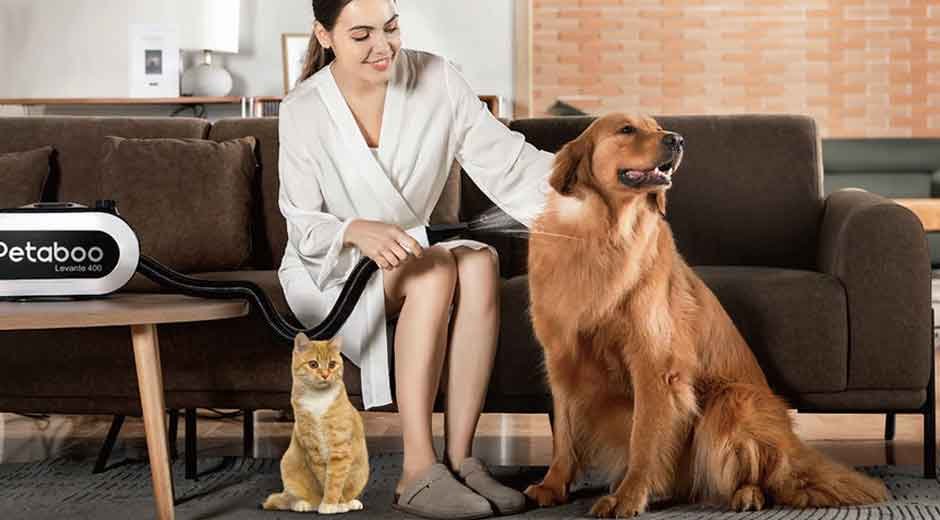
A ペット ドライヤー can be a useful tool during winter when used correctly, as it helps remove moisture efficiently and reduces drying time. However, improper use can lead to uneven drying or discomfort. Using airflow that is too strong, directing air at one spot for too long, or failing to monitor the pet’s reaction can cause stress and leave certain areas inadequately dried.
The key to effective winter use of a pet dryer lies in moderation and technique. Gentle, evenly distributed airflow combined with close observation ensures that moisture is removed without causing temperature shock. When used thoughtfully, a pet dryer can support warmth rather than undermine it.
Ignoring High-Risk Areas That Stay Damp Longer
Certain parts of a pet’s body take longer to dry and are often overlooked. The belly, inner legs, ears, and tail base tend to retain moisture due to limited airflow and thicker fur. In winter, these areas can remain cold long after the rest of the coat feels dry.
Neglecting these zones allows localized chilling, which can spread discomfort throughout the body. Paying attention to these areas during drying helps maintain consistent warmth and prevents the uneven cooling that often leads to restlessness or shivering later on.
Assuming All Pets Tolerate Cold the Same Way
Not all pets respond to winter temperatures equally. Smaller pets, short-haired breeds, senior animals, and pets with health conditions are more susceptible to cold-related discomfort. Applying the same drying routine to every pet ignores these differences and increases the risk of chilling.
Winter drying should be adjusted based on coat type, body size, age, and overall health. A method that works for one pet may be insufficient for another, making awareness and adaptability essential for proper care.
Creating a Winter-Safe Drying Routine
Avoiding winter drying mistakes begins with understanding how quickly moisture can affect body temperature. A warm environment, sufficient drying time, attention to detail, and sensitivity to a pet’s comfort all play important roles. Drying should be viewed as an extension of winter care, not a rushed afterthought.
By eliminating common errors such as stopping too early, relying on air-drying, or exposing pets to cold air prematurely, owners can significantly improve their pets’ winter comfort. Thoughtful drying practices help pets stay warm, relaxed, and healthy, allowing them to enjoy the season without unnecessary cold stress.
Final Thoughts
Winter does not have to be a season of discomfort for pets. Many of the issues that make pets colder after drying are preventable with greater awareness and better habits. Drying is not simply about removing visible water; it is about preserving body heat and supporting well-being in a challenging environment.
By recognizing and avoiding these winter drying mistakes, pet owners can create a safer, warmer routine that protects their companions from unnecessary chills. In the end, proper drying is one of the simplest yet most effective ways to care for pets during the cold months—and one that makes a meaningful difference in their daily comfort.